

 Pregledaj u stvarnoj veličini
 Podijeli
 Podijeli
 Detalji
 Vodič
Vodič

 Preuzmi datoteku
 Slični predmeti
 Rentgenska snimka
 Slide show
 Statistika
The Ballad


 Pročitajte više
Ručno rađena uljana reprodukcija
Ručno oslikano uljanim bojama na platnu u dimenzijama i okviru po vašem izboru, izrađeno po narudžbi od strane naših umjetnika. ( Prebacite na prodaju printova Prebacite na digitalnu prodaju slika)




P118B €10

P118H €10

P118W €10

P438Z €10

P508JH €12

P508YH €12

P805H €10

P805Z €10

P919BZ €10

P919G €10

P919XJ €10

P959ZH €10

P968JZ €12

W106C €8

W218G €10

W218JH €8

W218Y €10

W307PJ €10

W316G €10

W316PJ €8

W316Y €10

W398PJ €8

W4111J €10

W500HY €15

W500JH €15

W692G €12

W849H €8

W940BG €15

W953PJ €8




Odaberite jednu od naših unaprijed definiranih veličina koje odgovaraju izvornim proporcijama umjetničkog djela.

Unesite širinu i visinu koja vam je potrebna, kako bi odgovarali vašem okviru ili zidu. Budući da je ovo ručno oslikano djelo, umjetnik može malo proširiti rubove slike ili ih skratiti kako bi postigao željeni oblik — izbor je vaš. Prije početka slikanja poslat ćemo vam digitalni prikaz (mockup) radi potvrde. Slika prikazana na ovoj stranici ne predstavlja stvarni rezultat — samo digitalni prikaz to čini.
Nakon narudžbe, tim OriginalUniqueArt.com kontaktirat će klijenta putem e-pošte radi dobivanja uputa te dostaviti probni prikaz (mockup)
Isporuka širom svijeta () u roku od 3-4 tjedna umjesto standardnih 5 tjedana. (15 Listopad). Bez kompromisa u kvaliteti.

Besplatna ekspresna dostava širom svijeta

Visokokvalitetno laneno platno

Potpuno osiguranje transporta

Jamstvo povrata carine i uvoznih poreza

Jamstvo vjernosti boja

Politika povrata u roku od 100 dana (samo u slučaju nedostataka)

Jamstvo povrata 100% novca

Popust na više proizvoda
 Opcija stakla dostupna je samo za dimenzije manje od 110 cm

The Ballad
Tehnika izrade
Veličina reprodukcije
-


Ukupna cijena
€ 261
A Dreamscape Unveiled: Gustave Moreau’s “The Ballad”
Gustave Moreau's "The Ballad," painted in 1885, isn’t merely a depiction of a scene; it’s an immersion into a realm of potent symbolism and deeply felt emotion. This watercolor, born from the heart of Symbolism, transcends simple representation to become a visual poem—a testament to Moreau's profound engagement with mythology, literature, and the hidden currents of the human psyche. The painting immediately draws the viewer in with its vibrant palette and intricate details, creating an atmosphere that feels both familiar and profoundly strange, like stepping into a half-remembered dream.
At first glance, the composition presents a striking tableau: a man, clad in armor and wielding a sword, rides atop a magnificent horse, while a woman stands before him, her hair whipped about by an unseen wind. The scene is layered with elements of nature – twisting branches, blossoming flowers—and fantastical details that hint at a world beyond the everyday. Two additional horses are present, one further back in the landscape, adding depth and suggesting a journey or procession. A soaring bird cuts across the upper portion of the canvas, injecting a sense of movement and perhaps even prophecy into the scene.
The Language of Symbolism: Moreau’s Influences
Moreau's artistic vision was deeply rooted in the intellectual currents of his time, particularly influenced by the evocative poetry of Charles Baudelaire and Stéphane Mallarmé. These writers explored themes of beauty, decay, spirituality, and the subconscious—ideas that directly informed Moreau’s approach to painting. He wasn’t interested in faithfully recreating reality; instead, he sought to distill complex emotions and philosophical concepts into visual symbols. The armor worn by the man, for instance, could represent both strength and constraint, while the woman's wind-swept hair might symbolize vulnerability or a connection to the untamed forces of nature.
The painting’s meticulous detail—the texture of the horse’s mane, the delicate folds of the woman’s gown, the intricate patterns in the background foliage—is characteristic of Moreau's style. He employed a technique that combined watercolor with gouache and other pigments to achieve a luminous quality and an almost jewel-like intensity of color. This careful layering creates a sense of depth and atmosphere, contributing significantly to the painting’s dreamlike quality.
Mythic Echoes and Emotional Resonance
"The Ballad" is rich in mythological allusions, though their precise interpretation remains open to debate. Some scholars suggest connections to ancient Greek myths, while others see echoes of medieval romances or even biblical narratives. The central figures could represent a heroic quest, a tragic love story, or perhaps a meditation on the duality of masculine and feminine power. Regardless of its specific mythological source, the painting powerfully conveys a sense of longing, mystery, and profound emotional intensity.
Moreau’s intention wasn't to provide definitive answers but rather to evoke a feeling—a visceral response in the viewer. He aimed to tap into universal human experiences – love, loss, courage, and mortality – through the evocative language of symbolism. The painting invites contemplation, encouraging us to project our own interpretations onto its enigmatic figures and symbolic landscape.
Bringing “The Ballad” Home: Reproductions for Collectors
OriginalUniqueArt offers meticulously crafted, hand-painted reproductions of Gustave Moreau’s "The Ballad," capturing the artist's unique style and emotional depth with unparalleled accuracy. These reproductions are created by skilled artisans using traditional techniques, ensuring that every detail—from the vibrant colors to the intricate textures—is faithfully reproduced. Whether you’re an art collector seeking a stunning addition to your collection or an interior designer looking for a captivating piece of artwork to enhance your space, a OriginalUniqueArt reproduction of “The Ballad” offers a beautiful and authentic way to experience the power and beauty of Moreau's vision.
Explore our selection of Gustave Moreau reproductions today and bring this timeless masterpiece into your world. Browse Now
Pitanja i odgovori
Pod kojim drugim imenima ili pseudonimima poznat je/poznata je Gustav Moreau?
Ostala imena zabilježena za Gustav Moreau, autora djela "The Ballad", uključuju Moreau.
Što prikazuje "The Ballad" autora Gustav Moreau i kakvu atmosferu odiše?
"The Ballad" autora Gustav Moreau prikazuje mythology, symbolism, fantasy, allegory, horseback, woman, armor, dreamlike, u Ethereal raspoloženju. Motiv i atmosfera zajedno opisuju djelo.
Kako se boje djela "The Ballad" međusobno povezuju?
Koloristička harmonija djela "The Ballad" zabilježena je kao Softly Mixed Palette.
Biografija umjetnika
A Dream Weaver of Symbolism: The Life and Art of Gustave Moreau
Gustave Moreau, a name synonymous with the ethereal beauty and enigmatic depths of Symbolist painting, emerged from 19th-century Paris as a singular artistic voice. Born in 1826 into a bourgeois family—his father an architect and archivist—Moreau’s early life was steeped in intellectual curiosity and aesthetic sensibility. From a young age, he displayed a remarkable gift for drawing, nurtured through traditional academic training at the École des Beaux-Arts under figures like François-Édouard Picot. However, Moreau's artistic path would diverge sharply from the prevailing Realist and Impressionist currents of his time. He wasn’t interested in capturing fleeting moments or objective reality; instead, he sought to unlock the hidden realms of myth, religion, and the human psyche through a deeply personal and symbolic visual language. His journey was one of inward exploration, translating subjective emotions and spiritual yearnings onto canvas with an obsessive attention to detail and a vibrant, often opulent palette.The Forge of Imagination: Influences and Artistic Development
Moreau’s artistic development wasn't born in a vacuum. While rejecting the dominant trends of his era, he drew inspiration from diverse sources. The dramatic use of color and exotic subject matter found in the works of Eugène Delacroix resonated deeply with him, igniting a passion for narrative painting imbued with emotional intensity. He also held Renaissance masters like Michelangelo and Leonardo da Vinci in high esteem, admiring their mastery of composition, anatomy, and psychological insight. Yet, Moreau wasn’t merely imitating these artists; he was synthesizing their influences into something entirely new. His travels to Italy in the 1850s proved pivotal, immersing him in the art of antiquity and the Renaissance, providing a wealth of motifs and stylistic cues that would populate his future works. He meticulously copied Old Master paintings, not as an exercise in replication, but as a means of absorbing their techniques and unlocking their secrets. This dedication to craft, combined with his burgeoning interest in mythology and literature, laid the foundation for his unique artistic vision. Moreau’s formative years were marked by a profound engagement with intellectual currents shaping European thought. He devoured texts on philosophy, psychology, and mythology—particularly those exploring Jungian archetypes and Freud's psychoanalytic theories—influencing his artistic explorations into the subconscious mind. His fascination with Dante Alighieri’s *Inferno* fueled his imaginative depictions of hellish landscapes and tormented figures, reflecting a preoccupation with confronting existential anxieties. Simultaneously, he cultivated an admiration for the grandeur and spiritual solemnity of Byzantine art, absorbing its stylistic conventions—particularly the use of gold leaf—which would become integral to his distinctive artistic style.A World of Symbols: Themes and Techniques
Moreau’s paintings are not simply illustrations of myths or biblical stories; they are complex allegories that invite contemplation and interpretation. He delved into narratives like those of Salome, Orpheus, Jupiter and Semele, and countless others, not to retell them literally, but to explore their underlying psychological and spiritual truths. His canvases teem with symbolic imagery—serpents representing temptation, jewels signifying earthly desires, and figures embodying abstract concepts like grief, loss, or redemption. He masterfully created a dreamlike atmosphere through intricate detail, rich textures, and an often unsettling juxtaposition of light and shadow. Moreau’s technique was characterized by meticulous layering of paint, creating surfaces that shimmer with iridescent colors and evoke a sense of otherworldly beauty. His use of gold leaf further enhanced this effect, lending his works a Byzantine quality that underscored their spiritual dimension. He wasn't concerned with capturing realistic textures or perspectives; instead, he prioritized the expressive power of color and form to convey mood and meaning. Moreau’s artistic output spanned decades, resulting in over 15,000 paintings, watercolors and drawings—a testament to his unwavering commitment to his craft. Among his most celebrated works are *Salome Dancing before Herod*, a dramatic portrayal capturing the seductive allure of biblical myth; *Jupiter and Semele*, showcasing Moreau’s masterful composition and vibrant color palette; *Orpheus*, exploring themes of artistic inspiration and loss through evocative imagery; *The Apparition*, depicting an ethereal scene imbued with spiritual symbolism; and *Desdemona*, portraying Shakespeare's tragic heroine with poignant sensitivity. His paintings continue to captivate audiences today, offering glimpses into the hidden depths of the human soul and reminding us of the enduring power of art to transcend the boundaries of reality.Legacy and Influence: The Enduring Power of Symbolism
Though initially met with mixed reactions, Moreau became a central figure in the burgeoning Symbolist movement during the 1890s. Unlike some of his contemporaries who actively sought public attention, he remained somewhat reclusive, preferring to work independently and avoid artistic debates. However, his influence was undeniable. He accepted a professorship at the École des Beaux-Arts, where he profoundly impacted generations of artists, including Henri Matisse and Georges Rouault. He encouraged his students to embrace imagination, symbolism, and individual expression, urging them to break free from conventional artistic norms. Moreau’s unwavering belief in the transformative potential of art—particularly its ability to communicate profound psychological truths—established him as a pioneer of modern aesthetic thought. The Musée Gustave Moreau, housed in his former studio and home in Paris, stands as a poignant memorial to his life's work—a sanctuary where visitors can immerse themselves in the mesmerizing world of this extraordinary artist.
Gustav Moreau
1826 - 1898 , Francuska
Brzi pregled
- Artistic Movement Or Style: Simbolizam
- Artists Or Movements Influenced By This Artist:
- Henri Matisse
- Georges Rouault
- Artists Who Influenced This Artist:
- Eugène Delacroix
- Michelangelo
- Leonardo da Vinci
- Date Of Birth: 6. svibnja 1826.
- Date Of Death: 18. travnja 1898.
- Full Name: Gustave Moreau
- Nationality: Francuz
- Notable Artworks:
- Salome Dansujući Pred Herodom
- Jupiter I Semele
- Orfeus
- Pozorje
- Desdemona
- Place Of Birth: Pariz, Francuska
Povezani članci

Watercolor Wonders: 10 Masterpieces That Redefined Art History | OriginalUniqueArt
Journey through 10 legendary watercolor masterpieces by Sargent, Turner & Homer! Explore iconic landscapes, portraits & floral art that redefined history. Find museum-quality reproductions and curated decor ideas at OriginalUniqueArt.com.
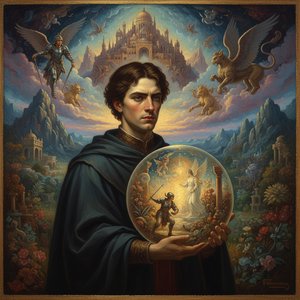
Gustave Moreau: Symbolism's Enigmatic Visionary & Precursors of Modern Fantasy Art
Explore the captivating world of Gustave Moreau, the leading Symbolist painter. Discover his iconic masterpieces, influences, and lasting legacy. Expert analysis for collectors & art enthusiasts.

Gustav Klimt: 25 Remek-djela Bečke Secesije za Uljepšanje Vašeg Prostora
Uronite u svijet Gustava Klimta! Otkrijte 25 remek-djela bečke secesije, simbolizma i zlatnog doba. Pronađite inspiraciju za dekoraciju interijera s vrhunskim reprodukcijama slika na OriginalUniqueArt.com.

Ephemeral Visions: Exploring the Artistic Legacy & Contemporary Practice of Watercolor Painting
Explore the captivating world of watercolor painting! Discover its rich history, essential techniques, influential artists & collecting tips. A comprehensive guide for art enthusiasts from OriginalUniqueArt.

Ephemeral Visions: Exploring the History & Emotional Resonance of Watercolor Painting
Explore the captivating history of watercolor painting, from ancient techniques to modern masters like Kandinsky & Blake. Discover essential artists, collecting tips & the emotional power of this luminous medium. Expert insights for art enthusiasts.


