

 Pregledaj u stvarnoj veličini
 Pošalji
 Podijeli
 Detalji o umjetničkom djelu

 Preuzmi
 Slični predmeti
 Rentgenska snimka
 Automatska prezentacija
Flowering Orchard, Spring


 Prikaži više
Giclée / Umjetnički otisak
Giclée tisak muzejske kvalitete ili otisak na platnu uz brzu proizvodnju i fleksibilne opcije završne obrade. ( Kupi ručno naslikanu sliku Kupi digitalnu sliku)




































Odaberite jednu od naših unaprijed definiranih veličina koje odgovaraju izvornim proporcijama umjetničkog djela.

Možete unijeti vlastite dimenzije kako biste umjetničko djelo prilagodili specifičnom okviru ili prostoru. Ako odabrana veličina ne odgovara proporcijama izvornog rada, izrezat ćemo dio slike ili je proširiti pomoću ogledalnog efekta ili jednobojne rubne površine. Digitalni prikaz (mockup) bit će vam poslan na odobrenje prije početka proizvodnje.
Imajte na umu da pregled na zaslonu ne odražava stvarno izrezivanje ili proširivanje. Samo će mockup točno prikazati konačnu kompoziciju.
Iako su dostupne prilagođene veličine, preporučujemo odabir dimenzije iz unaprijed definirane liste kako biste očuvali izvorne proporcije.
Dostava širom svijeta () u roku od 2 tjedna umjesto standardnih 4/5 tjedana. (29 Kolovoz)

Besplatna ekspresna dostava širom svijeta

Visokokvalitetno laneno platno

Potpuno osiguranje dostave

Jamstvo povrata carine i uvoznih poreza

Garancija vjernog podudaranja boja

Politika povrata u roku od 60 dana (samo u slučaju nedostataka)

Jamstvo povrata 100% novca

Popust na više proizvoda
 Opcija stakla dostupna je samo za dimenzije manje od 110 cm

Flowering Orchard, Spring
Giclée / Umjetnički otisak
Veličina reprodukcije
-


Ukupna cijena
$ 80
A Burst of Springtime Joy: Gustave Loiseau's "Flowering Orchard, Spring"
Step into a vibrant world brimming with life and color with Gustave Loiseau’s “Flowering Orchard, Spring.” Painted in 1902, this captivating landscape transports the viewer to a sun-drenched orchard awakening after winter. The scene is dominated by lush greenery and an abundance of blossoming trees, their branches laden with delicate white and pink flowers. Two bicycles nestled within the field add a touch of contemporary life to this idyllic pastoral setting, hinting at leisurely enjoyment of nature's beauty. This piece exemplifies Loiseau’s mastery in capturing fleeting moments of natural splendor.Post-Impressionist Technique & Style
Loiseau was a key figure within the Post-Impressionist movement, and "Flowering Orchard, Spring" beautifully showcases his distinctive style. While influenced by Pointillism – a technique characterized by small, distinct dots of color applied to create an image – Loiseau developed his own unique approach. Rather than strictly adhering to the rigid structure of Pointillism, he employed a looser, more expressive application of paint, often utilizing what is described as "cross-hatching." This involved layering short, intersecting strokes of color, creating a shimmering effect and capturing the vibrancy of light filtering through the blossoms. Observe how the interplay of greens, whites, pinks, and yellows creates a sense of movement and depth within the orchard, bringing the scene to life with remarkable energy.Historical Context & Parisian Impressionism
The early 1900s witnessed a flourishing of artistic innovation in Paris, where Loiseau resided and worked. This period saw artists moving beyond the purely representational aims of earlier movements like Realism, seeking to express their subjective experiences and emotions through color and form. Loiseau’s work reflects this shift, aligning with the broader trends of Parisian Impressionism and Post-Impressionism. The inclusion of bicycles—a relatively new invention at the time—grounds the painting in a specific moment in history, subtly suggesting themes of modernity and leisure within a traditional landscape setting.Symbolism & Emotional Resonance
Beyond its aesthetic appeal, "Flowering Orchard, Spring" evokes a powerful sense of renewal and optimism. The blossoming orchard itself is a potent symbol of springtime’s rebirth, representing hope, growth, and the cyclical nature of life. The vibrant colors and lively brushstrokes contribute to an overall feeling of joy and tranquility. The presence of the bicycles suggests human connection with nature, inviting viewers to imagine themselves experiencing this idyllic scene firsthand. This painting isn't merely a depiction of a landscape; it’s an invitation to embrace the beauty and promise of spring.Biografija umjetnika
A Parisian Vision: The Life and Art of Gustave Loiseau
Gustave Loiseau, a name perhaps less immediately recognized than some of his Post-Impressionist contemporaries, nevertheless occupies a significant place in the story of French painting at the turn of the 20th century. Born in Paris on October 3rd, 1865, and passing away there on October 10th, 1935, Loiseau’s life was deeply intertwined with the evolving artistic landscape of his city and the broader currents of modernism. His journey began not within the hallowed halls of an art academy—though he briefly attended the École des arts décoratifs—but amidst the practical world of his parents' butcher shop. This early exposure to everyday Parisian life, coupled with a subsequent apprenticeship with a family friend who was a decorator, would profoundly shape his artistic sensibilities. It instilled in him a keen observation of the city’s rhythms and textures, a fascination that would become central to his oeuvre. A modest inheritance from his grandmother proved pivotal, allowing Loiseau to dedicate himself fully to painting in 1887, though his formal training was cut short by a disagreement with a teacher—a testament to his independent spirit.Early Influences and Artistic Beginnings
Loiseau’s formative years were marked by a desire for intellectual stimulation beyond the confines of his family business. He devoured literature and philosophy, absorbing the ideas of thinkers such as Nietzsche and Schopenhauer – influences that would subtly permeate his artistic vision. Recognizing the limitations of academic painting—its rigid conventions and preoccupation with idealized forms—Loiseau sought alternatives rooted in observation and emotion. His initial explorations into Pointillism, championed by Georges Seurat and Paul Signac, revealed the potential for capturing light and color through a systematic approach, yet Loiseau quickly abandoned this technique deeming it too restrictive for his artistic impulses. Instead, he turned to Brittany—the region of his parents’ birth—where he encountered a burgeoning artist colony led by Paul Gauguin and Émile Bernard. This encounter proved transformative, exposing him to new perspectives on color, form, and the expressive power of landscape. It was here that Loiseau began experimenting with *en treillis*, or cross-hatching – a technique that would become his signature style.The Discovery of ‘En Treillis’ and Its Unique Aesthetic
Loiseau's breakthrough came during his first visit to Pont-Aven in 1890, where he encountered the vibrant artistic spirit of the Breton colony. He was captivated by Gauguin’s bold use of color and Bernard’s expressive brushstrokes—artists who challenged the prevailing aesthetic norms of their time. However, Loiseau didn't simply emulate their styles; rather, he embarked on his own distinctive path – developing *en treillis*, or cross-hatching. Unlike Impressionism’s fleeting impressions of light and color, Loiseau employed a network of fine, interwoven lines to build up form and capture the nuances of atmosphere. This created a remarkable textural quality in his paintings—almost a shimmering effect—that set him apart from many of his contemporaries. It was a technique born not from theoretical contemplation but from an intuitive understanding of how to translate visual perceptions onto canvas. The resulting images possessed a palpable sense of depth and materiality, reflecting Loiseau’s profound engagement with the physical world.Parisian Landscapes and Artistic Recognition
Loiseau's artistic output consistently focused on two recurring themes: the bustling streets of Paris and the serene landscapes of France—primarily Brittany. His Parisian scenes—such as *Rue de Clignancourt* and *Avenue de Fiedland*—were not grand panoramas but intimate glimpses into everyday life, meticulously rendered with remarkable sensitivity to detail. He captured the energy of the city—the movement of carriages, the flow of pedestrians, the interplay of light on buildings—with a profound awareness of its rhythms and textures. Simultaneously, Loiseau developed a series of landscapes that revisited familiar motifs – orchards, gardens, fields – at different times of year and under varying weather conditions. These paintings echoed Monet’s exploration of atmospheric effects but Loiseau's *en treillis* technique imbued them with a unique character—a textural richness that conveyed his emotional response to the scene. He wasn’t merely recording what he saw; he was communicating its inherent beauty and tranquility.Legacy and Enduring Influence
Throughout his career, Loiseau exhibited regularly at prestigious venues such as the Salon des Indépendants and the Salon de la Société Nationale—garnering recognition from both critics and collectors. He benefited from the patronage of Paul Durand-Ruel, a prominent art dealer who championed many of the leading Impressionist and Post-Impressionist artists. While Loiseau never achieved the widespread fame enjoyed by figures like Monet or Cézanne, his work gained considerable esteem within artistic circles—finding its way into important museum collections across France. Today, Gustave Loiseau’s paintings are appreciated for their distinctive style—their evocative atmosphere—and their insightful portrayal of French life during a period of significant social and cultural transformation. He stands as a testament to the power of individual vision—an artist who remained true to his own aesthetic principles while engaging with the artistic currents of his time, leaving an indelible mark on the history of Post-Impressionism.
Gustav Loiseau
1865 - 1935 , Francuska
Osnovne informacije
- Artistic Movement Or Style: Post-Impressionizam
- Artists Who Influenced This Artist:
- Paul Gauguin
- Émile Bernard
- Date Of Birth: 1865.
- Date Of Death: 1935.
- Full Name: Gustave Loiseau
- Nationality: Francuz
- Notable Artworks:
- Rue de Clignancourt
- Avenue de Fiedland
- Etretat
- Polje i brda
- Place Of Birth: Paris, Francuska
Srodni članci
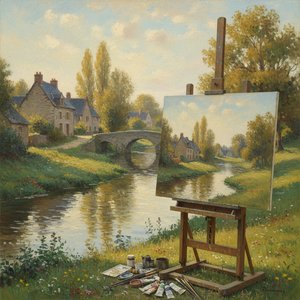
Gustave Loiseau: Capturing the Ephemeral Light of French Landscapes
Explore the captivating landscapes of Gustave Loiseau, a key Post-Impressionist painter. Discover his unique 'en treillis' technique and artistic legacy with our comprehensive guide.
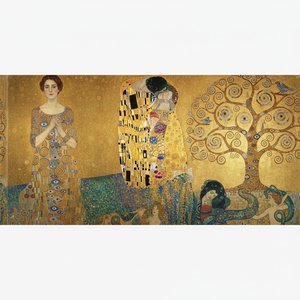
Gustav Klimt: 25 Remek-djela Bečke Secesije za Uljepšanje Vašeg Prostora
Uronite u svijet Gustava Klimta! Otkrijte 25 remek-djela bečke secesije, simbolizma i zlatnog doba. Pronađite inspiraciju za dekoraciju interijera s vrhunskim reprodukcijama slika na OriginalUniqueArt.com.

Paul Cézanne: 25 Remek-djela koji su promijenili svijet umjetnosti | OriginalUniqueArt
Uronite u svijet Paula Cézanna! Otkrijte 25 remek-djela impresionizma i postimpresionizma. Saznajte priče iza slika, tehnike i inspiracije ovog francuskog umjetnika. Reprodukcije vrhunske kvalitete dostupne na OriginalUniqueArt.com
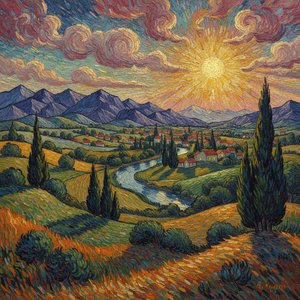
Beyond Impressionism: The Emotional Depth and Vibrant Evolution of Post-Impressionist Landscapes
Explore the profound evolution of Post-Impressionist landscapes. From Van Gogh's emotional brushwork to Cézanne's structural mastery, discover how these visionaries redefined art history through color and form in this expert guide for fine art enthusiasts.
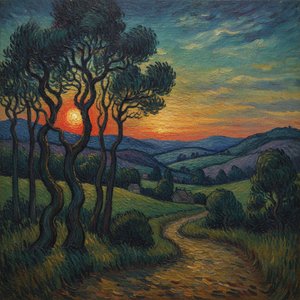
Beyond the Light: Capturing Raw Emotion and Subjective Vision in Post-Impressionist Landscapes
Explore the profound emotional depth of Post-Impressionist landscapes. Discover how masters like Van Gogh moved beyond light to capture raw human feeling through vibrant color and expressive texture in this expert art history retrospective.

