Pregledaj u stvarnoj veličini
 Pošalji
 Podijeli
 Detalji o umjetničkom djelu

 Preuzmi
 Slični predmeti
 Rentgenska snimka
 Automatska prezentacija
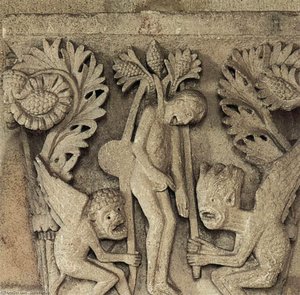
Samoubijstvo Judasa


 Prikaži više
Ručno rađena uljana reprodukcija
Ručno oslikano uljanim bojama na platnu u dimenzijama i okviru po vašem izboru, izrađeno po narudžbi od strane naših umjetnika. ( Kupi print Kupi digitalnu sliku)




P118B $10

P118H $10

P118W $10

P438Z $10

P508JH $12

P508YH $12

P805H $10

P805Z $10

P919BZ $10

P919G $10

P919XJ $10

P959ZH $10

P968JZ $12

W106C $8

W218G $10

W218JH $8

W218Y $10

W307PJ $10

W316G $10

W316PJ $8

W316Y $10

W398PJ $8

W4111J $10

W500HY $15

W500JH $15

W692G $12

W849H $8

W940BG $15

W953PJ $8




Odaberite jednu od naših unaprijed definiranih veličina koje odgovaraju izvornim proporcijama umjetničkog djela.

Možete unijeti vlastite dimenzije kako bi odgovarale određenom okviru ili prostoru. Ako odabrana veličina ne odgovara proporcijama izvorne slike, izrezat ćemo umjetničko djelo ili proširiti sliku dodatnim ručno oslikanim elementima. Digitalni nacrt bit će vam poslan na odobrenje prije početka proizvodnje.
Imajte na umu da pregled na ekranu ne prikazuje stvarno izrezivanje ili proširivanje. Samo će nacrt točno prikazati konačni sastav.
Iako su dostupne prilagođene veličine, preporučujemo odabir dimenzije s preddefiniranog popisa kako bismo očuvali izvorne proporcije.
Nakon narudžbe, tim OriginalUniqueArt.com kontaktirat će klijenta putem e-pošte radi dobivanja uputa te dostaviti probni prikaz (mockup).
Isporuka širom svijeta () u roku od 3-4 tjedna umjesto standardnih 5 tjedana. (19 Kolovoz). Bez kompromisa u kvaliteti.

Besplatna ekspresna dostava širom svijeta

Visokokvalitetno laneno platno

Potpuno osiguranje dostave

Jamstvo povrata carine i uvoznih poreza

Garancija vjernog podudaranja boja

Politika povrata u roku od 60 dana (samo u slučaju nedostataka)

Jamstvo povrata 100% novca

Popust na više proizvoda
 Opcija stakla dostupna je samo za dimenzije manje od 110 cm

Samoubijstvo Judasa
Tehnika reprodukcije
Veličina reprodukcije
-


Ukupna cijena
$ 300
Opis umjetničkog djela
Gislebertus i Samoubija Judu – Simbolička Moć Romaneskog Slikarstva
Gislebertus, ime koje je ukršćeno u kamen i šapuće kroz stoljeća, smatra se jednim od najznačajnijih umjetnika romaneskog skulpture – posebice slavljen zbog svog doprinosa katedrali Svetog Lazara u Autunu, Francuska. Rođen oko godine 1120., Gislebertus pojavio se iz plodnog umjetničkog pejzaža Burgundije tijekom vremena duboko oblikovanom religijskom željom i rastućom arhitektonskom ambicijom. Iako biografske informacije ostaju oskurne, znanstvenici vjeruju da je obrazovan u Abhijaciji Kluni, što je vjerojatno bio epicentar evropskog monastičkog umetnosti i intelektualnog života u to vreme. Ovo obrazovanje duboko je uticalo na njegov rad, oblikujući ga za istoriju velikih umetnika koji su ostavili nezaboravno mesto u istoriji umetnosti.
- Pozadina i Stil: Gislebertus je jedan od najvećih umetnika srednjovjekovne umjetnosti, koji je svojim imenom ukršćio kamen na tympanumu glavnog ulaza katedrale Svetog Lazara u Autunu. Večina kapitela unutrašnjosti katedrale pripisuje se njemu; većina njih nalazi se na pilastrama i zato ostaje čvrsto povezana sa površinom. Njegove skulpture su među najhumanijima i najljepšim radovima romaneskog umetnosti koji postoje. Originalni kapiteli su uklonjeni i izloženi u Muzeju Rolin blizu katedrale.
- Materijal i Tehniku: Gislebertus je koristio kamen kao glavni materijal za svoje skulpture, što je karakteristično za romanesku umetnost koja je bila poznata po svojoj velikoj veličini i detaljnosti. Tehnikom je korišćena kombinacija rezbarenja i lepogovanja kako bi se postigli maksimalni efekti svetlosti i boje.
- Tematska Dubina: Samoubija Judu predstavlja jednu od najvažnijih tema u romaneskoj umetnosti koja je bila namenjena obrazovanju ljudi i prikazivanju istorijskih događaja. Scena samoubije Judu prikazana je sa velikom živućnošću i intenzitetom, što pokazuje Gislebertusovu sposobnost da prenese emocije i simboliku.
- Simbolizam: U tympanumu glavnog ulaza katedrale Svetog Lazara prikazani su elementi koji simbolički predstavljaju Kristovojanje i poslednju večeru. Četiri djela umetnosti ukazuju na različite perspektive koje su bile prisutne u srednjovjekovnoj kulturi i filozofiji.
- Emocionalni Utisak: Samoubija Judu je rad koji izaziva snažan emotivni odgovor gledalaca zbog svoje dramatične kompozicije i prikazivanja ljudske patnje. Gislebertus je uspešno oslikala emociju straha i gorčine koja je bila prisutna u vreme kada je umetnost služila kao sredstvo obrazovanja i duhovnog osvojenja.
Reprodukcija ovog dela umetnosti može biti izuzetan dodatak svakom prostoru koji želi da prenese istorijski kontekst i estetiku romaneskog umetništva. Kvalitetna reprodukcija omogućava očevuvanje lepote originala i njegovih simboličkih vrednosti za buduće generacije.
Biografija umjetnika
Gislebertus: The Sculptor of Autun Cathedral’s Divine Vision
Gislebertus, a name etched in stone and whispered through the centuries, stands as one of the most remarkable figures of Romanesque sculpture. Specifically celebrated for his profound contribution to Saint Lazare Cathedral in Autym, France, he emerged from the fertile artistic landscape of Burgundy during a period profoundly shaped by religious fervor and burgeoning architectural ambition. Born sometime around 1120, Gislebertus lived through an era where art served as the primary language of the faithful. While biographical details remain scarce, scholars believe he was trained at Cluny Abbey, arguably the epicenter of European monastic art and intellectual life at the time. This formative experience instilled in him a deep understanding of biblical narratives and imbued his work with an unwavering devotion to Christian themes.
His initial role at Cluny involved assisting the master sculptor, cementing his position within a tradition prioritizing didactic storytelling—conveying moral lessons through visual representation. The cathedral’s ambitious project demanded exceptional skill, and Gislebertus quickly established himself as a pivotal talent. Recognizing the importance of providing solace to pilgrims afflicted with leprosy—a prevalent ailment during the 12th century—the Abbey envisioned Saint Lazare as more than just a place of worship; it was intended as a sanctuary for the marginalized. This vision profoundly impacted Gislebertus’ artistic sensibilities, prompting him to create reliefs that resonated with compassion and hope, featuring imagery designed to uplift those facing immense suffering.
Mastery of Emotion and Narrative Relief
The true genius of Gislebertus lies in his ability to translate complex theological concepts into visceral, physical forms. His work at Autun is characterized by a dramatic use of line and shadow that breathes life into the cold stone. In masterpieces such as the Suicide of Judas, created around 1120-30, he captures the raw horror and despair associated with treason. Through the depiction of hanging figures and menacing demonic entities, Gisleberus showcases an exceptional skill in capturing human psychological torment, a hallmark of the Romanesque style that pushes the boundaries of medieval expression.
Beyond the scenes of tragedy, his work also celebrates the spiritual journey of the faithful. In his Pilgrims relief, one can observe a powerful depiction of devotion, where strong lines and dramatic shadows emphasize the physical and spiritual weight of the pilgrimage. This ability to oscillate between the terrifying aspects of divine judgment and the quiet strength of religious perseverance makes his oeuvre uniquely captivating. His sculptures do not merely decorate a building; they act as a window into the medieval soul, inviting the viewer to contemplate the eternal struggle between good and evil.
Legacy and Historical Significance
The artistic development of Gislebertus represents a crucial bridge in the evolution of European art. While his roots are firmly planted in the Romanesque tradition of Cluny, his expressive power and narrative complexity hint at the burgeoning naturalism that would later define Gothic art. His work on the Dream of the Magi further demonstrates this sophisticated approach to storytelling, blending historical reverence with a sense of wonder.
The enduring significance of Gislebertus can be summarized through several key contributions:
- Narrative Innovation: He transformed architectural elements like tympanums into complex, readable storybooks for the illiterate masses.
- Emotional Depth: He moved beyond static iconography to introduce psychological depth and human emotion into stone sculpture.
- Cluniac Influence: He carried the high intellectual and spiritual standards of Cluny Abbey into the public sphere of cathedral architecture.
- Architectural Integration: His ability to harmonize intricate sculptural detail with the massive, heavy forms of Romanesque architecture remains a pinnacle of medieval craftsmanship.
Today, the works of Gislebertus remain some of the most studied and revered examples of 12th-century art. He remains a master whose hands, though long since returned to dust, continue to speak through the enduring stone of Autun, reminding us of a time when art was the ultimate vessel for the divine.

Gislebertus
1120 - 1135 , France
Osnovne informacije
- Artistic Movement Or Style: Romanesque Sculpture
- Artists Or Movements Influenced By This Artist: ['Gothic Style']
- Artists Who Influenced This Artist: ['Cluny School']
- Date Of Death: 1135
- Full Name: Gislebertus
- Nationality: French
- Notable Artworks:
- Pilgrims
- Last Judgment (detail)
- Dream of the Magi
- Place Of Birth: France
Srodni članci

Bronze Sculptures That Defined Art History | OriginalUniqueArt
Journey through art history with our Top 10 bronze sculptures! Explore masterpieces by Rodin, Michelangelo & more. Discover stories behind iconic statues and find museum-quality reproductions for your home decor at OriginalUniqueArt.com.

The Enduring Form: Exploring Themes & Techniques in Sculpture Across Historical Periods
Explore the rich history of sculpture from ancient masterpieces to contemporary innovations. Discover key techniques, influential artists & investment potential for discerning art collectors.
The Enduring Form: Sculpture Across History, Technique & Emotional Resonance
Explore the rich history of sculpture with OriginalUniqueArt. Discover key techniques, influential artists & investment potential for discerning collectors. Expert insights into valuing and collecting timeless masterpieces.

Bronze Age to Modern Masters: 10 Sculptures That Redefined Art | OriginalUniqueArt
Journey through art history with 10 legendary bronze sculptures – from Michelangelo's David to Rodin’s Thinker. Explore the stories, techniques & timeless beauty of these masterpieces. Find museum-quality reproductions & elevate your home decor on OriginalUniqueArt.com.
Trajna Baština Brončanog Kiparstva: Povijest, Tehnike i Suvremene Interpretacije
Istražite povijest brončanog kiparstva, tehnike izrade i suvremene interpretacije. Ekskluzivni uvid za kolekcionare umjetnosti i ljubitelje skulptura. Otkrijte vrijednost i očuvanje ovih trajnih djela.