Northern Renaissance · 1598
Forest Landscape (Gillis Van Coninxloo, 1598)
Gillis Van Coninxloo (1544–1607) je izradio Forest Landscape. Datira iz 1598. Pripada pokretu Northern Renaissance. Izrađeno je u Oil On Panel. Čuva se u muzeju Liechtenstein Museum u mjestu Beč, Austrija. Dimenzije su 42 × 61 cm.
- 1598
- Oil On Panel
- 42 × 61 cm
- Liechtenstein Museum, Beč

 Pregledaj u realnoj veličini

 Ručno oslikano uljanim bojama
 Pošalji
 Podijeli
 Informativni list


 Preuzmi umjetničko djelo
 Slični predmeti
 Rentgenska snimka
 Slide show
 Pitanja i odgovori

 Statistika
Forest Landscape, ukratko
- Naslov
- Forest Landscape
- umjetnik
- Gillis Van Coninxloo (1544–1607)
- Rođen/a u
- Antwerpen, Belgija
- Datum
- 1598
- Tehnika
- Oil On Panel
- Dimenzije
- 42 × 61 cm
- Gdje se može vidjeti
- Liechtenstein Museum, Beč, Austrija
- Pokret
- Northern Renaissance
- Razdoblje
- Early Modern
- Tema
- forest landscape, dark woods, path, village view, atmospheric, tranquility
Što prikazuje Forest Landscape?
Identification of the Forest Landscape Artwork
The artwork titled Forest Landscape is a painting by the Flemish artist Gillis Van Coninxloo. Executed in 1598, this work is an oil on panel. The physical dimensions of the piece are 42 x 61 cm. It is currently held within the Liechtenstein Museum in Vienna, Austria.
This specific composition depicts a dense woodland environment. The scene features a winding path that leads into a thicket of trees. The foliage consists of various shades of green, while the trunks and branches create a heavy canopy overhead. In the background, a small village is visible through the gaps in the trees, providing a sense of distance within the forest setting.
The subject matter focuses on the natural world, specifically the textures of bark, leaves, and moss. A single, small human figure is positioned beneath a tree within the landscape. The composition utilizes a dark palette of browns, greens, and ochres to define the wooded area. Light filters through the upper branches, creating a contrast between the shadowed recesses of the undergrowth and the illuminated patches of the clearing.
Composition and Visual Elements
The composition is largely symmetrical, organized around a winding path that leads the eye toward the center of the image. This path cuts through a dense woodland, where the trunks and branches of trees intertwine to form a thick canopy overhead. Only a few small patches of sky are visible through the gaps in the foliage. Within this enclosed space, a single tiny human figure reclines beneath a tree, positioned near the center of the scene. The scale of the trees and the surrounding undergrowth dwarfs the figure, emphasizing the vastness of the natural environment.
Color is concentrated in the various hues of green found in the leaves and the mossy textures of the forest floor. These greens contrast with the dark browns and ochres of the tree trunks and the earth. In the background, a small village is visible through the trees, providing a sense of distance and depth. The lighting creates a chiaroscuro effect, with strong contrasts between the deep shadows of the thickets and the light that filters through the canopy onto the path and the reclining figure.
Technique and Artistic Style
The artist utilized oil on panel to establish a sense of depth and a tangible texture across the surface. The application of paint likely involves multiple layers and glazing, a method used to achieve a specific luminosity within the darker sections of the composition. This technique allows light to appear as though it is filtering through the canopy, creating a chiaroscuro effect through the deliberate placement of light and shadow. The resulting atmosphere is defined by a palette of dark colors and a high degree of intricate detail.
The composition is built upon a dense arrangement of ancient oaks and thick undergrowth. There is a clear priority placed on the textural richness of the natural elements, specifically the bark of the trees, the individual leaves, and the presence of moss. These organic forms are rendered with meticulous care, contributing to the overall density of the woodland scene. The interplay of light and shadow defines the verticality of the trunks and the irregular shapes of the foliage, emphasizing the physical presence of the forest environment.
Artistic Influence and Legacy
Gillis Van Coninxloo occupied a central position in the evolution of Northern landscape art. His technical approach functioned as a bridge between the intricate traditions of Mannerism and the atmospheric depth characteristic of the early Baroque. Through his development of the forest landscape, he moved away from panoramic vistas toward intimate, enclosed woodland scenes. This shift prioritized the textural details of bark, leaves, and moss, often submerging small human figures within an expansive, detailed natural environment.
The influence of his method extended to several prominent painters of the period. Jan Brueghel the Elder and Pieter Schoubroeck were among those affected by his stylistic developments. His approach to dense, immersive woodland compositions also impacted the work of Roeland Savery and various other Flemish and Dutch landscape painters. This specific work, created about 1598, represents his technical skill and craftsmanship in rendering the natural world.
U kojem se muzeju nalazi Forest Landscape?
Liechtenstein Museum
Beč, Austrija
Draguljen bečkog baroknog sjaja Smješten u samom srcu povijesne Bečke Ringstraße, Liechtenstein Muzej nalazi se u okruženju koje je samo po sebi remek-djelo, ravnopravno bliskim dragocjenostima koje čuva. S smještajem u veličanstvenoj palači Palais Liechtenstein, muzej nudi prožimajuće putovanje u samu dušu aristokratske elegancije i duboko naslijeđe kneževskog roda Liechtenstein. Dok posjetitelji prilaze palatnoj strukturi, dočekuje ih arhitektonska veličina prošlog doba, gdje svaka pozlaćena kornišica i svečane stepenice šapću priče o imperialnom prestižu.


Slike visoke rezolucije djela Forest Landscape

Javno dobro: umjetnik je preminuo 1607.
Ostale veličine, izrezivi i citiranje →Gillis Van Coninxloo, Forest Landscape (1598), Liechtenstein Museum. Javno dobro.
Odgovori na pitanja o Forest Landscape
Gdje se danas može vidjeti "Forest Landscape" autora Gillis Van Coninxloo?
"Forest Landscape" autora Gillis Van Coninxloo izložen/a je u muzeju Liechtenstein Museum, Beč, Austrija. Navedeni muzej odnosi se na izvornom djelo, a ne na reprodukcije.
U kojoj je godini nastalo djelo "Forest Landscape" autora Gillis Van Coninxloo?
"Forest Landscape" autora Gillis Van Coninxloo nastalo je 1598.
Koja je tehnika korištena za "Forest Landscape" autora Gillis Van Coninxloo?
Gillis Van Coninxloo koristio je tehniku Oil On Panel za "Forest Landscape". Ova tehnika definira materijalnu prirodu izvornog djela.
Koje su stvarne dimenzije djela "Forest Landscape" autora Gillis Van Coninxloo?
"Forest Landscape" u svom izvornom obliku ima dimenzije 42 x 61 cm. Izvorni su dimenzije korisna referenca pri odabiru veličine reprodukcije.
Što prikazuje "Forest Landscape"?
Motivi djela "Forest Landscape" su forest landscape, dark woods, path, village view, atmospheric, tranquility, nature scene, 16th century.
Je li "Forest Landscape" u javnom vlasništvu?
Što se tiče autorskih prava, "Forest Landscape" je u u javnom vlasništvu – autorska prava su istekla.
Tko je stvorio "Forest Landscape"?
"Forest Landscape" je djelo koje je stvorio/la Gillis Van Coninxloo. Informacije na ovoj stranici opisuju izvorni rad umjetnika Gillis Van Coninxloo.
Koji umjetnički pravac obuhvaća "Forest Landscape"?
"Forest Landscape" je djelo pokreta Northern Renaissance. Taj pokret označava umjetničku tradiciju kojoj ovo djelo pripada.
U kojoj se fazi stvaralaštva umjetnika Gillis Van Coninxloo nalazi djelo "Forest Landscape"?
Unutar karijere umjetnika Gillis Van Coninxloo, djelo "Forest Landscape" pripada razdoblju Late 16th Century. Ova faza omogućuje usporedbu s ostalim djelima tog umjetnika.
O umjetniku, Gillis Van Coninxloo
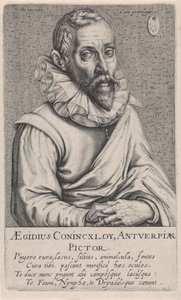
1544–1607, Belgija
Gillis Van Coninxloo
Majstor zelenog carstva Gillis Van Coninxloo stoji kao ključna figura u evoluciji sjeverne pejzažne umjetnosti, služeći kao vitalni most između zamršenih manierističkih tradicija i uzbudljive atmosferske dubine ranog baroka. Rođen u Antwerpenu, u Belgiji, njegov život bio je duboko isprepleten bogatim umjetničkim nasljeđem Nizozemske. Kao sin slikara, bio je uronjen u svijet u kojem su vrhunsko umeće i prirodno promatranje bili od presudne važnosti. Njegovo rano obezbijedjeno znanje pod maestromima kao što su Pieter Coecke van Aelst mlađi i Lenaert Kroes pružilo mu je čvrste temelje, ali upravo je rad u radionici Gillisa Mostaerta omogućio njegovom talentu da zaista procvjeta, dopuštajući mu da sudjeluje u profesionalnim djelima dok je usavršavao svoju jedinstvenu viziju.
O Gillis Van Coninxloo Značajna djela umjetnika Gillis Van Coninxloo
I ostalo djelo autora Gillis Van Coninxloo
 Woodland with Saint Jerome1583
 Jonah Preaching to the Ninevites1583
 Landscape with the judgment of Midas1598
 Landscape with the Judgement of Paris1610
Eseji o djelu Forest Landscape
 French Barbizon paintersMasterpieces by Théodore Rousseau and Daubigny define the Barbizon School. Explore the full collection online at OriginalUniqueArt.com.
 Enchanted Woodlands: 10 Masterpieces That Capture the Magic of the ForestExplore iconic forest art by Shishkin, Klimt, and Van Gogh. Discover museum-quality masterpieces on OriginalUniqueArt.com.
 Mastering the Horizon: An Art Historian’s Guide to the World's Most Iconic Landscape PaintingsExplore the profound history of landscape painting with our expert guide. From Impressionist light to Chinese traditions, discover the tech…