
 Pregledaj u stvarnoj veličini
 Pošalji
 Podijeli
 Detalji o umjetničkom djelu

 Preuzmi
 Slični predmeti
 Rentgenska snimka
 Automatska prezentacija
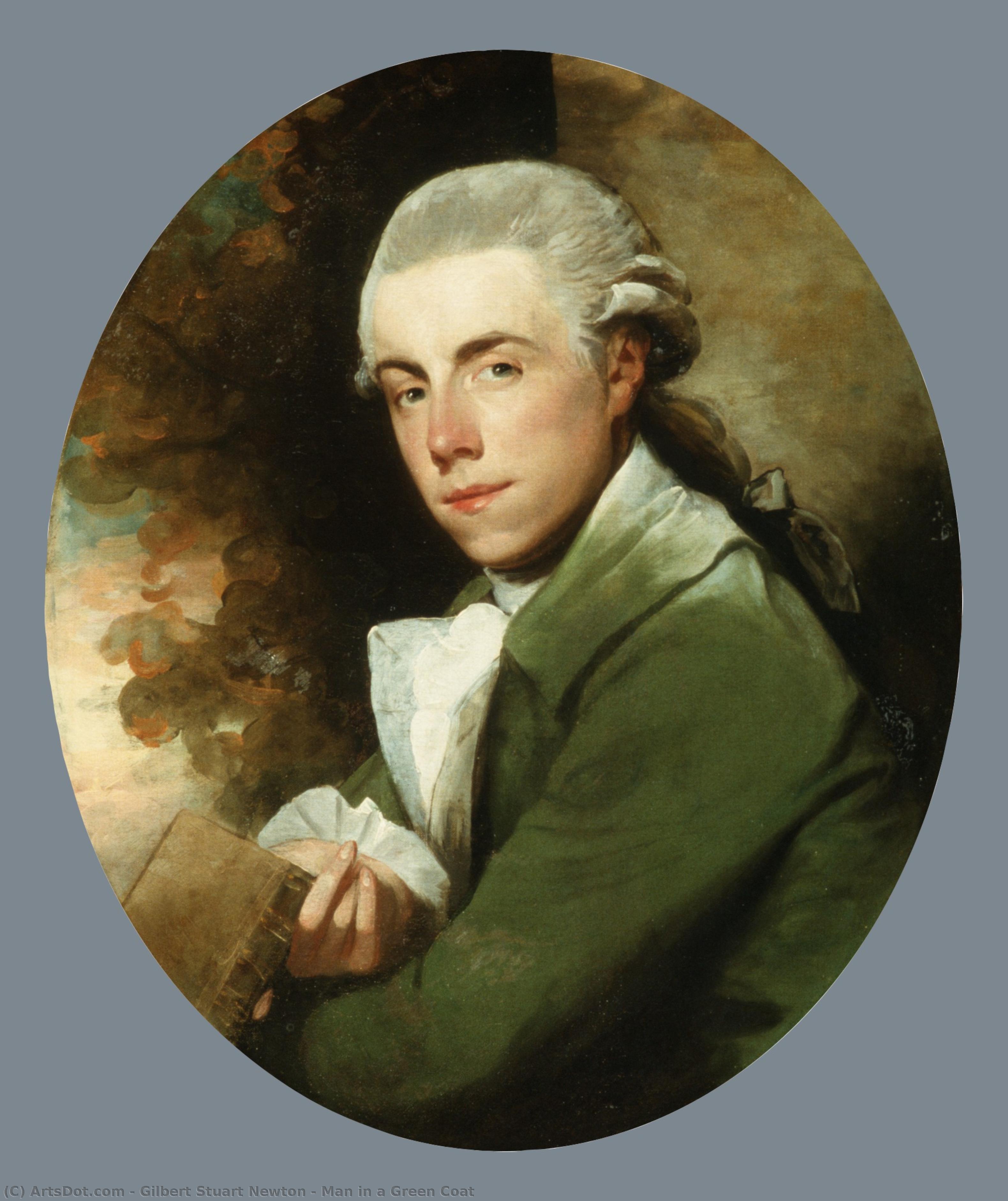
Man in a Green Coat
 Oil On Canvas
- WallArt
- Romanticism
 1779
1779 72.0 x 60.0 cm
 Muzej umjetnosti Metropolitan
 Prikaži više
Ručno rađena uljana reprodukcija
Ručno oslikano uljanim bojama na platnu u dimenzijama i okviru po vašem izboru, izrađeno po narudžbi od strane naših umjetnika. ( Kupi print Kupi digitalnu sliku)




P118B $10

P118H $10

P118W $10

P438Z $10

P508JH $12

P508YH $12

P805H $10

P805Z $10

P919BZ $10

P919G $10

P919XJ $10

P959ZH $10

P968JZ $12

W106C $8

W218G $10

W218JH $8

W218Y $10

W307PJ $10

W316G $10

W316PJ $8

W316Y $10

W398PJ $8

W4111J $10

W500HY $15

W500JH $15

W692G $12

W849H $8

W940BG $15

W953PJ $8




Odaberite jednu od naših unaprijed definiranih veličina koje odgovaraju izvornim proporcijama umjetničkog djela.

Možete unijeti vlastite dimenzije kako bi odgovarale određenom okviru ili prostoru. Ako odabrana veličina ne odgovara proporcijama izvorne slike, izrezat ćemo umjetničko djelo ili proširiti sliku dodatnim ručno oslikanim elementima. Digitalni nacrt bit će vam poslan na odobrenje prije početka proizvodnje.
Imajte na umu da pregled na ekranu ne prikazuje stvarno izrezivanje ili proširivanje. Samo će nacrt točno prikazati konačni sastav.
Iako su dostupne prilagođene veličine, preporučujemo odabir dimenzije s preddefiniranog popisa kako bismo očuvali izvorne proporcije.
Nakon narudžbe, tim OriginalUniqueArt.com kontaktirat će klijenta putem e-pošte radi dobivanja uputa te dostaviti probni prikaz (mockup).
Isporuka širom svijeta () u roku od 3-4 tjedna umjesto standardnih 5 tjedana. (18 Kolovoz). Bez kompromisa u kvaliteti.

Besplatna ekspresna dostava širom svijeta

Visokokvalitetno laneno platno

Potpuno osiguranje dostave

Jamstvo povrata carine i uvoznih poreza

Garancija vjernog podudaranja boja

Politika povrata u roku od 60 dana (samo u slučaju nedostataka)

Jamstvo povrata 100% novca

Popust na više proizvoda
 Opcija stakla dostupna je samo za dimenzije manje od 110 cm

Man in a Green Coat
Tehnika reprodukcije
Veličina reprodukcije
-


Ukupna cijena
$ 300
Opis umjetničkog djela
A Glimpse into the 1770s: Gilbert Stuart Newton’s ‘Man in a Green Coat’
Gilbert Stuart Newton's “Man in a Green Coat,” painted in 1779, isn’t merely a portrait; it’s a carefully constructed window into the burgeoning artistic landscape of early Georgian England. The painting immediately draws the eye with its subtly unsettling elegance – a man, formally dressed in a rich green coat, holds a book open before him, his gaze averted, creating an aura of quiet contemplation and perhaps even a touch of melancholy. The composition is deceptively simple: a rectangular format initially transformed into a more intimate oval, suggesting a deliberate shaping of the image to capture the sitter’s essence. Newton's brushwork, described by contemporary observers as “brushy,” isn’t indicative of sloppiness but rather a conscious choice – a technique that lends the work an immediacy and intimacy rarely found in the rigidly formal portraits of the era.
The Influence of Gainsborough and the Seeds of Romanticism
Newton’s work reveals a clear debt to Thomas Gainsborough, whose portraits were immensely popular during this period for their atmospheric backgrounds and relaxed poses. Notice how Newton mimics Gainsborough's use of light and shadow – the soft illumination highlighting the man’s face and coat, while the muted background creates depth without overwhelming the subject. The green of the coat itself is particularly noteworthy; it’s not a vibrant, assertive hue but rather a delicate pastel shade, echoing the gentle colors favored by Gainsborough and contributing to the painting's overall sense of understated beauty. However, “Man in a Green Coat” transcends mere imitation. Newton introduces a subtle psychological complexity that anticipates the Romantic movement – a hint of sadness, an unspoken story hinted at through the sitter’s averted gaze. This is not simply a likeness; it’s an exploration of mood and character.
A Portrait of Uncertainty: Identity and Historical Context
The identity of the man in the green coat remains one of art history's enduring mysteries. Newton, a British artist working in London during this period, was influenced by both English and American artistic trends. Born in Nova Scotia to an artistic lineage tracing back to Gilbert Stuart, the renowned American portrait painter, Newton’s early life reflects this transatlantic connection. The painting’s date – 1779 – places it squarely within a turbulent era of political upheaval, as Britain grappled with its colonies across the Atlantic. The man's attire and demeanor suggest a gentleman of means, perhaps a merchant or landowner, reflecting the growing prosperity of the British economy. Yet, his introspective posture hints at anxieties and uncertainties that were prevalent during this period of colonial tensions.
Symbolism and Artistic Technique
Beyond its immediate visual appeal, “Man in a Green Coat” is rich in symbolic detail. The book he holds suggests intellectual pursuits and perhaps a yearning for knowledge or escape. The oval format itself can be interpreted as a symbol of completeness – a contained world reflecting the sitter’s inner life. Newton's masterful use of oil paint creates a remarkable sense of texture, capturing the sheen of the coat fabric and the subtle nuances of light and shadow. The painting’s current location at the Metropolitan Museum of Art in New York City underscores its significance as a masterpiece of early modern portraiture – a testament to Newton’s skill and his ability to capture both the outward appearance and the inner essence of his subject.
Biografija umjetnika
Gilbert Stuart Newton: Life & Legacy
Early Life and Family Background
- Birth and Origins: Gilbert Stuart Newton was born on September 2, 1795, in Halifax, Nova Scotia. He was the youngest of twelve children.
- Family Connections: His father, Henry Newton, was a customs official, and his mother, Ann, held a significant artistic lineage – she was the daughter of Gilbert Stuart, the renowned American portrait painter.
- Early Years & Return to America: The family initially resided in Boston but returned to Charlestown near Boston in 1803 following his father’s death.
Artistic Training and Influences
- Initial Path & Uncle's Guidance: Though initially intended for a commercial career, Newton was apprenticed to his uncle, Gilbert Stuart, marking the beginning of his artistic journey.
- European Studies: He traveled to Europe with an elder brother and studied painting in Florence. Later visits to Paris (1817) introduced him to artists like Charles Robert Leslie, Washington Allston, and David Wilkie.
- Royal Academy & Formal Training: Newton continued his education at the Royal Academy in London after a period spent in the Netherlands.
Artistic Style and Major Themes
- Romantic Sensibilities: Newton’s work is generally categorized within the Romantic movement, characterized by emotional intensity and dramatic narratives.
- Literary & Poetic Inspirations: He became particularly known for paintings inspired by literature and poetry. Subjects drawn from works like *Don Quixote* and Shakespeare were prominent in his oeuvre.
- Portraiture & Genre Scenes: While he painted portraits, including those of notable figures such as Washington Irving, Newton also excelled in genre scenes depicting moments from literary narratives.
Key Achievements and Recognition
- Royal Academy Affiliation: Newton was elected an Honorary Academician of the National Academy of Design (1827), an Associate of the Royal Academy (1829), and a full Academician in 1832.
- Exhibitions & Patronage: He regularly exhibited at the Royal Academy from 1818 onwards, gaining recognition and attracting patrons like the Marquis of Lansdowne.
- Public Collections: His works found their way into prominent public collections, including the National Gallery and the South Kensington Museum (now V&A).
Later Life and Legacy
- Mental Health & Final Years: Shortly after his election to the Royal Academy, Newton began to suffer from mental illness. He was admitted to an asylum at Chelsea where he continued to paint until his death on August 5, 1835.
- Burial Site: He is buried in St Mary’s Church Wimbledon, London.
- Historical Significance: Though overshadowed by his uncle Gilbert Stuart, Newton carved a niche for himself as a skilled and imaginative artist of the Romantic period. His literary-inspired paintings offer insights into the cultural tastes and artistic trends of 19th-century Britain.

gilbert stuart newton
1795 - 1835
Osnovne informacije
- Birth_Date: 1795
- Birth_Place: Halifax, Nova Scotia
- Death_Date: 1835
- Influenced_By: Gilbert Stuart (uncle)
- Movement: Romanticism
- Name: Gilbert Stuart Newton
- Nationality: British
- Notable_Works:
- Don Quixote in his Study
- Captain Macheath upbraided by Polly and Lucy
- Yorick and the Grisette
- The Window or the Dutch Girl
- Portia and Bassanio
Srodni članci
Verdant Visions: Exploring the Symbolism & Aesthetic Impact of Green in Art History
Explore the rich history & symbolism of green in art! Discover iconic paintings, techniques, and how to bring verdant harmony into your home with OriginalUniqueArt's expert guide.
Dark Olive Green Masterpieces: 10 Iconic Paintings & Decor Ideas
Explore 10 iconic paintings where dark olive green reigns supreme! From Van Gogh to Rembrandt, discover art history's most captivating masterpieces & the stories behind them. Find museum-quality reproductions and curated decor ideas at .
Chrome Green Masterpieces: 10 Famous Paintings & Their Alluring Hues |
Explore 10 famous paintings where 'Chrome Green' reigns supreme! Discover Monet, Manet & Van Gogh’s masterpieces. Learn the stories behind these iconic artworks and find museum-quality art reproductions for your home at .
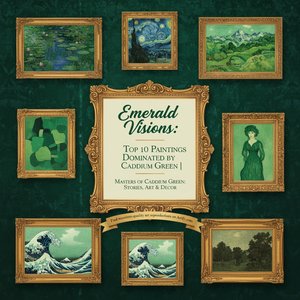
Emerald Visions: Top 10 Paintings Dominated by Cadmium Green |
Explore 10 iconic paintings where cadmium green reigns supreme! From Monet to Van Gogh, discover the stories behind these masterpieces & the power of color. Find museum-quality art reproductions and elevate your home decor on .

Seafoam & Masterpieces: 10 Paintings Dominated by Medium Sea Green | OriginalUniqueArt
Dive into serenity with 10 famous paintings bathed in calming medium sea green. Explore Impressionist masterpieces by Monet, Degas & Renoir. Find museum-quality art reproductions and elevate your home decor at OriginalUniqueArt.com.

