- Početna stranica

- Digitalna umjetnina
- Georgija Okeeffe
- Spring Tree No. 1
 Pregledaj u stvarnoj veličini
 Pošalji
 Podijeli
 Detalji o umjetničkom djelu

 Preuzmi
 Slični predmeti
 Rentgenska snimka
 Automatska prezentacija
Spring Tree No. 1

 Prikaži više
Kupite digitalnu sliku visoke rezolucije i poboljšane kvalitete, koja je znatno superiornija od online prikaza.
Svaka datoteka pedantno je pripremljena od strane naših internih stručnjaka koristeći napredne alate i vještinsku ručnu retušu. Osiguravamo da svaka slika ima iznimnu jasnoću, preciznu točnost boja i visoku razinu detalja.
Konačna datoteka dostavlja se putem e-pošte u roku od 72 sata, optimizirana za neposrednu upotrebu u profesionalnim, uredničkim i tiskarskim okruženjima. To je ista kvaliteta kojoj vjeruju vrhunski studiji dizajna, izdavači i galerije.
Digitalna slika
Preuzmite datoteku visoke rezolucije za osobnu izložbu, tisak i kreativne projekte. ( Pređi na tisak Prebacite se na ručno oslikano djelo)
Uključeno uz svaku narudžbu digitalne slike
Profesionalna digitalna dostava, zajamčena
Odabirom OriginalUniqueArt.com ne dobivate samo sliku – dobivate profesionalno unapređeno digitalno umjetničko djelo, izrađeno s najvećom preciznošću uz jamstvo zadovoljstva. Evo svega što automatski dolazi uz vašu narudžbu:

Brza dostava e-poštom
Vaša digitalna slika visoke rezolucije bit će vam poslana e-mailom u roku od 72 sata od narudžbe – spremna za neposrednu upotrebu.

Digitalna datoteka poboljšana AI-om
Vaše umjetničko djelo profesionalno je optimizirano pomoću naprednih AI alata i ručnog uređivanja, čime se osigurava maksimalna razina detalja, oštrine i točnosti boja.

Besplatna ponovna dostava doživotno
Slučajno ste obrisali ili izgubili svoju datoteku? Ne brinite – ponovno ćemo vam je poslati u bilo kojem trenutku, potpuno besplatno.

Bez uvoznih carina – ikada
Uživajte u svojim umjetničkim djelima trenutno, bez carina, pristojbi ili troškova dostave – digitalne datoteke uvijek su oslobođene poreza.

Jamstvo točnosti boja
Uz pomoć profesionalnih alata i upravljanja bojama, osiguravamo da vaša digitalna slika što vjernije odražava izvorne boje.

Jamstvo zadovoljstva u trajanju od 60 dana
Ako niste zadovoljni svojom digitalnom slikom, revidirat ćemo je ili vratiti 100% novca u roku od 60 dana – bez ikakvih pitanja.

100% Jamstvo povrata novca
Niste zadovoljni? Osigurajte puni povrat novca u roku od 60 dana od primitka vaše digitalne datoteke – bez suvišnih pitanja.

Popusti na velike narudžbe
Kupite 3 slike, uštedite 10% - Kupite 5 slika, uštedite 15% - Kupite 10+ slika, uštedite 20%. Odlično za kreativne projekte, galerije i agencije.
Opis kolekcionarskog djela
A Symphony of Spring: Decoding Georgia O'Keeffe’s ‘Spring Tree No. 1’
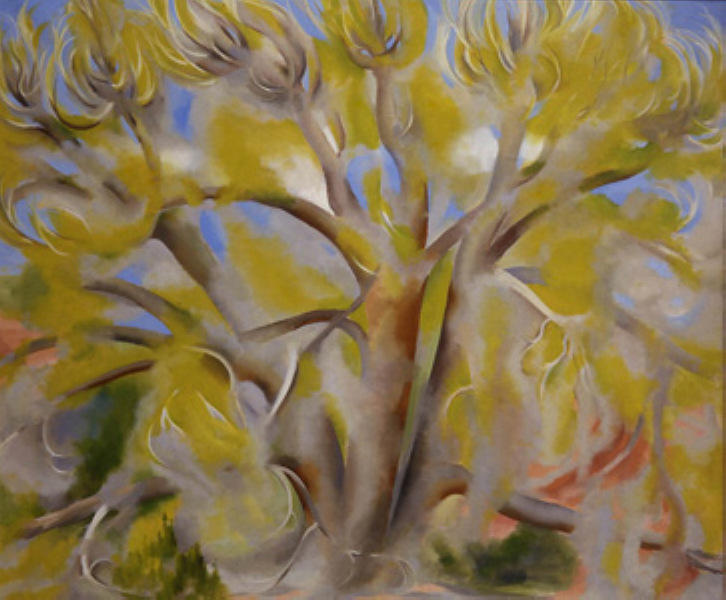
Georgia O'Keeffe’s *Spring Tree No. 1* is a captivating oil painting that exemplifies her unique contribution to American Modernism. Rather than a literal depiction, the artwork presents an abstracted vision of a tree bursting with new life – specifically, vibrant yellow foliage against a backdrop of receding forms. The composition isn’t about botanical accuracy; it's about conveying a *feeling*—the exhilaration and renewal inherent in springtime. O’Keeffe masterfully employs layering to create depth, suggesting an entire grove rather than focusing on a single specimen. This technique draws the viewer into the scene, mimicking the experience of being enveloped by nature itself.Modernist Sensibility & Artistic Lineage
O'Keeffe’s artistic journey was marked by a deliberate departure from traditional representation. Emerging in the early 20th century, she rejected academic conventions and embraced abstraction, influenced by artists like Arthur Wesley Dow who emphasized design principles over strict realism. While often associated with floral paintings, her tree series – including *Spring Tree No. 1*, *Cottonwood Tree in Spring* and *Spring Tree No. II*– demonstrate a broader exploration of natural forms. These works share stylistic similarities with her celebrated flower studies: close-cropped compositions, simplified shapes, and an emphasis on color as a means of emotional expression. O’Keeffe's work during this period was championed by Alfred Stieglitz, who recognized her innovative approach and provided crucial support for her career.Symbolism & Emotional Resonance
The choice of yellow is particularly significant. Beyond simply representing the color of new leaves, it evokes feelings of optimism, energy, and warmth. The upward thrust of the branches suggests growth and aspiration, while the layered composition hints at the interconnectedness of life within an ecosystem. It’s important to note that O'Keeffe consistently resisted interpretations linking her work to overt symbolism, preferring viewers to experience the paintings on a purely emotional level. However, given her deep connection to the landscapes she inhabited – from Wisconsin farmlands to the New Mexico desert – it is reasonable to assume that *Spring Tree No. 1* reflects her reverence for nature’s power and beauty. The painting isn't merely a representation of a tree; it's an embodiment of life force itself.A Timeless Addition to Any Collection
*Spring Tree No. 1* offers a compelling blend of artistic innovation, emotional depth, and aesthetic appeal. Its vibrant color palette and dynamic composition make it a striking focal point for any interior space. Whether you are an avid art collector, an interior designer seeking a statement piece, or simply someone who appreciates the beauty of nature, this painting is sure to inspire and uplift. The artwork’s enduring popularity speaks to O'Keeffe’s ability to capture universal themes of growth, renewal, and the profound connection between humanity and the natural world.Biografija umjetnika
Early Life and Artistic Foundations
Georgia Totto O’Keeffe, a name synonymous with American modernism, emerged from the unassuming landscape of Sun Prairie, Wisconsin, in 1887. Born into a family of Irish Catholic farmer Francis O'Keeffe and Dutch-Hungarian Episcopalian Ida Totto O'Keeffe, young Georgia displayed an artistic inclination early on, deciding by age ten that she would dedicate her life to art. This determination was nurtured through lessons with local watercolorist Sara Mann, followed by formal studies at the School of the Art Institute of Chicago from 1905 to 1906 and later at the University of Virginia. However, it was her encounter with Arthur Wesley Dow’s principles – emphasizing personal expression and a harmonious balance of color and line – that truly ignited her artistic path. Dow's teachings steered O’Keeffe away from strict realism toward a more subjective and emotionally resonant approach to art, an approach that would define her career. These formative years weren’t without their challenges; periods of illness and dissatisfaction led her to temporarily abandon painting, but the creative impulse always drew her back, evolving with each new experience and influence.New York and the Stieglitz Circle
A pivotal moment arrived in 1916 when O’Keeffe’s abstract charcoal drawings were discovered by Alfred Stieglitz, a renowned photographer and art dealer. He exhibited her work without her prior knowledge, sparking a dialogue that would profoundly shape both their lives and the course of American art. Stieglitz recognized an exceptional talent in O’Keeffe, one that resonated with his own modernist sensibilities. He invited her to New York City in 1918, providing not only professional support but also fostering a deep personal connection. Their relationship blossomed into marriage in 1924, creating a dynamic artistic partnership and intellectual exchange. Stieglitz championed O’Keeffe’s work, showcasing it at his gallery “291” and promoting her as a leading figure in the American avant-garde. During this period, she began to develop her signature style – bold, simplified forms and intensely saturated colors – initially expressed through depictions of New York skyscrapers and, most famously, magnified flower paintings. These floral works, often interpreted (though consistently denied by O’Keeffe herself) as veiled representations of female anatomy, challenged conventional notions of beauty and sexuality in art.The Allure of the Southwest
While New York provided a crucial platform for her early success, it was the landscapes of the American Southwest that truly captivated O’Keeffe’s imagination and profoundly influenced her artistic vision. Her first visit to New Mexico in 1929 marked the beginning of a lifelong love affair with the region’s stark beauty, vibrant colors, and unique cultural heritage. The vastness of the desert, the dramatic rock formations, and the ancient Pueblo architecture resonated deeply within her, inspiring a new series of paintings that reflected the spirit of the land. Works like *Cow’s Skull: Red, White, and Blue* (1931) and *Summer Days* (1936) are powerful testaments to this influence, transforming seemingly mundane objects into iconic symbols of the American West. She eventually settled permanently in New Mexico in 1949 following Stieglitz’s death, establishing a home and studio in Abiquiu that became integral to her artistic process and identity.Legacy and Enduring Influence
Georgia O'Keeffe continued to paint prolifically throughout her life, experimenting with new subjects and pushing the boundaries of abstraction. Her later works included aerial views of clouds and skies, reflecting a fascination with the vastness and ethereal quality of the natural world. She remained fiercely independent and uncompromising in her artistic vision, refusing to be categorized or defined by prevailing art movements. O’Keeffe’s impact on American art is immeasurable. She paved the way for future generations of female artists, challenging societal norms and asserting her own unique voice in a male-dominated field. Her paintings continue to captivate audiences with their bold simplicity, emotional depth, and evocative power. The establishment of the Georgia O'Keeffe Museum in Santa Fe in 1997 further solidified her legacy, preserving her art and providing a space for ongoing scholarship and appreciation. In 2014, *Jimson Weed/White Flower No. 1* sold for $44.4 million, setting a record price for a work by a female artist – a testament to the enduring value and significance of her artistic contribution. O’Keeffe's influence extends beyond painting; she became an icon of American individualism and self-reliance, inspiring countless artists and admirers with her unwavering commitment to her craft and her unique perspective on the world. Her work remains a powerful reminder of the transformative power of art and the enduring beauty of the natural world.
Georgija Okeeffe
1887 - 1986 , SAD
Kratke činjenice
- Artistic Movement Or Style: Modernizam
- Artists Who Influenced This Artist:
- Arthur Wesley Dow
- Alfred Stieglitz
- Date Of Birth: November 15, 1887
- Date Of Death: March 6, 1986
- Full Name: Georgia Totto O'Keeffe
- Nationality: Američanka
- Notable Artworks:
- Crvena Kana
- Krava Glava Crvena, Bela i Plava
- Ljetnji Dugi
- Jimson Weed/Bijeli Cvjetak No. 1
- Place Of Birth: Sun Prairie, USA

