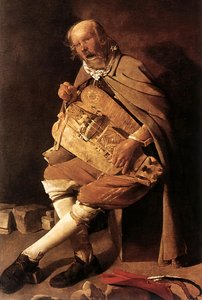
Pregledaj u realnoj veličini
 Pošalji
 Podijeli
 Detalji o umjetničkom djelu
 Vodič
Vodič

 Preuzmi umjetničko djelo
 Slični predmeti
 Rentgenska snimka
 Slide show
 Q&A
Q&A Statistika
The New-born

- 76.0 x 91.0 cm


 Prikaži više
Giclée / Umjetnički otisak
Giclée tisak muzejske kvalitete ili otisak na platnu uz brzu izradu i raznolike opcije završne obrade. ( Kupi ručno oslikano djelo Prebacite na digitalnu sliku)




P118B €10

P118H €10

P118W €10

P438Z €10

P508JH €12

P508YH €12

P805H €10

P805Z €10

P919BZ €10

P919G €10

P919XJ €10

P959ZH €10

P968JZ €12

W106C €8

W218G €10

W218JH €8

W218Y €10

W307PJ €10

W316G €10

W316PJ €8

W316Y €10

W398PJ €8

W4111J €10

W500HY €15

W500JH €15

W692G €12

W849H €8

W940BG €15

W953PJ €8




Odaberite jednu od naših unaprijed definiranih veličina koje odgovaraju izvornim proporcijama umjetničkog djela.

Unesite potrebnu širinu i visinu kako bi odgovarali vašem okviru ili zidu. Print se može samo izrezati, nikada ne može biti veći od slike, stoga format s drugačijim omjerom stranica uzrokuje gubitak dijela slike. Prije bilo kakve štampe šaljemo vam digitalni prikaz (mockup) na odobrenje. Slika prikazana na ovoj stranici ne prikazuje stvarni rez — to prikazuje isključivo digitalni prikaz.
Dostava širom svijeta () u roku od 2 tjedna umjesto standardnih 4/5 tjedana. (1 Studeni)

Besplatna ekspresna dostava širom svijeta

Visokokvalitetno laneno platno

Potpuno osiguranje dostave

Jamstvo povrata carine i uvoznih poreza

Jamstvo vjernosti boja

Politika povrata u roku od 100 dana (samo u slučaju nedostataka)

Jamstvo povrata 100% novca

Popust na više proizvoda
 Opcija stakla dostupna je samo za dimenzije manje od 110 cm

The New-born
Giclée / Umjetnički otisak
Veličina reprodukcije
-


Ukupna cijena
€ 71
A Moment Frozen in Shadow and Grace: Exploring Georges de La Tour’s “The Newborn”
Georges de La Tour's "The Newborn," painted circa 1645-1648, transcends mere portraiture; it embodies the profound spiritual contemplation characteristic of the French Baroque. This enigmatic canvas depicts two women—one cradling a babe—illuminated by an ethereal glow emanating from a single candle flame, creating a scene steeped in solemn beauty and hinting at hidden depths. Located presently within the Museum of Fine Arts of Rennes, this artwork continues to fascinate scholars and admirers alike.Subject Matter and Composition: Ambiguity Defined
The painting’s subject matter is deliberately ambiguous, prompting viewers to ponder whether it represents a straightforward depiction of familial piety or a more symbolic meditation on motherhood and divine grace. The central figures—a woman adorned in nun's habit and her companion—are positioned within a darkened room, fostering an atmosphere of intimacy and mystery. The careful arrangement emphasizes the tenderness between the women, conveying a palpable sense of compassion and protection. Notably, the infant rests serenely upon the woman’s chest, bathed in candlelight, symbolizing innocence and vulnerability amidst the solemnity of faith.Technique: Mastery of Light and Shadow – Trompe-l'œil Brilliance
De La Tour’s unparalleled skill lies in his masterful manipulation of chiaroscuro—the dramatic interplay between light and shadow—a technique perfected during his lifetime and considered a cornerstone of Baroque art. He achieves an astonishing illusionistic effect, known as trompe-l'œil, convincingly simulating the flickering candlelight with meticulous detail. The candle flame itself isn’t merely represented; it appears to radiate outwards, casting soft shadows that sculpt the figures and heighten the emotional impact of the scene. This technique underscores La Tour’s commitment to conveying not just visual appearance but also psychological truth—the inner radiance of faith illuminating the outward expression of devotion.Historical Context: Religious Devotion in Lorraine
Painted during a period marked by fervent religious fervor within Lorraine, “The Newborn” reflects the prevailing spiritual sensibilities of its time. Georges de La Tour’s oeuvre consistently explores themes of piety, humility, and contemplation—subjects deeply rooted in Catholic dogma. The painting speaks to the importance of maternal care and protection, mirroring the values upheld by the Church during the seventeenth century. Furthermore, it aligns with broader artistic trends aimed at evoking spiritual emotion through visual representation, demonstrating La Tour’s profound understanding of his audience's beliefs and aspirations.Symbolism: Light as Divine Grace
The candle flame serves as a potent symbol—representing divine grace illuminating the darkness of human experience. Its radiant glow penetrates the gloom of the room, symbolizing God’s unwavering compassion for humanity. The woman holding the infant embodies maternal virtue and selfless devotion, embodying the nurturing spirit essential to Christian faith. Through subtle gestures and expressions, La Tour conveys an unspoken reverence for sanctity—a testament to his artistic ability to communicate complex spiritual ideas with understated elegance.Emotional Impact: A Portrait of Quiet Reverence
“The Newborn” transcends its formal depiction; it resonates deeply with viewers through its palpable emotional sincerity. The painting evokes a feeling of profound tranquility and tenderness, capturing the essence of maternal love and spiritual contemplation. De La Tour’s masterful use of light and shadow creates an immersive experience—drawing the eye inward while simultaneously conveying the solemn beauty of faith. It remains a timeless masterpiece, inviting reflection on themes of innocence, compassion, and divine illumination—a testament to Georges de La Tour's enduring legacy as one of the most influential artists of his era.Pitanja i odgovori
Koja je dominantna boja djela "The New-born" autora Žorž De Lajur?
"The New-born" naginje prema Amber to Saffron tonu.
Koji su format i dimenzije djela "The New-born"?
Format djela "The New-born" je Landscape, a izvornik dimenzija iznosi 76 x 91 cm. Oba su podatka korisna prilikom planiranja reprodukcije.
Koje su dimenzije izvornog "The New-born"?
"The New-born" u svom izvornom obliku ima dimenzije 76 x 91 cm. Izvorni su dimenzije korisna referenca pri odabiru veličine reprodukcije.
Biografija umjetnika
Georges de La Tour (1593-1652): French Baroque Master of Dramatic Chiaroscuro & Tenebrism
Georges de La Tour, a name that resonates with the hushed reverence reserved for masters of light and shadow, remains one of the most compelling figures of the French Baroque. Born in 1593 in Vic-sur-Seille, a small town nestled within the Duchy of Lorraine, his life unfolded against a backdrop of religious fervor and political upheaval. While details surrounding his early training remain somewhat elusive—scholars speculate about potential journeys to Italy or apprenticeships with local artists like Jacques Bellange—the seeds of his artistic vision were undoubtedly sown in this environment. He wasn’t born into an artistically established family; his father was a baker, yet the circumstances of his mother's lineage hint at a possible connection to nobility, a subtle influence perhaps reflected in the dignity and quiet grace that permeate his work.
Early Life & Artistic Influences
Georges de La Tour’s formative years were marked by the turbulent political landscape of Lorraine under Habsburg rule. Despite limited formal education—he received instruction primarily from his father—his innate talent for drawing quickly emerged, demonstrating an exceptional sensitivity to visual perception. Like many artists of his era, he likely absorbed artistic ideas through observation and imitation, encountering works by Caravaggio and Hendrick Terbrugghen during his travels. These encounters profoundly shaped his stylistic sensibilities, instilling in him a fascination with dramatic chiaroscuro—the masterful manipulation of light and dark—a technique that would become synonymous with his oeuvre.
The Utrecht School & The Dawn of Tenebrism
De La Tour’s artistic development coincided with the flourishing of the Utrecht School, a Dutch Caravaggisti movement characterized by its uncompromising realism and expressive intensity. Artists like Terbrugghen championed a style that prioritized psychological depth over mere visual accuracy—a stylistic approach that De La Tour skillfully adopted, refining his technique to achieve an unprecedented level of tonal gradation. This pivotal influence gave birth to tenebrism—the extreme use of darkness punctuated by strategically placed highlights—a compositional device that would become the hallmark of his paintings and solidify his reputation as a pioneer of Baroque art.
Major Works & Recurring Themes
Georges de La Tour’s artistic output spanned several decades, producing an astonishing array of canvases that explore themes of faith, piety, and domestic tranquility. His most celebrated works—including The Fortune-Teller (circa 1630), Adoration of the Shepherds (circa 1640), Saint Joseph Carpenter (circa 1650)—are masterpieces of Baroque art, distinguished by their luminous chiaroscuro and profound emotional resonance. These paintings aren’t merely depictions of biblical narratives; they are meditations on human experience—expressions of humility, compassion, and spiritual yearning. De La Tour's meticulous attention to detail—captured with astonishing precision—reveals an artist who possessed a remarkable understanding of both visual perception and psychological nuance.
Legacy & Enduring Appeal
Despite achieving considerable renown during his lifetime—he was appointed “Painter to the King” by Louis XIII in 1638—Georges de La Tour’s work remained largely unrecognized for centuries following his death in 1652. Rediscovery efforts spearheaded by scholars like Hermann Voss brought De La Tour back into focus, revealing an artist of extraordinary originality and depth whose influence extended far beyond the confines of his own time. His innovative use of light and shadow—coupled with his profound psychological insight—continues to inspire artists today, cementing his place as a pivotal figure in European art history. His paintings stand as timeless reminders of the power of faith and human connection—expressions of spiritual contemplation that resonate across generations.

Žorž De Lajur
1593 - 1652 , Francuska
Osnovne informacije
- Artistic Movement Or Style: Tenebrism
- Artists Or Movements Influenced By This Artist: ['Francuski Klasicizam']
- Artists Who Influenced This Artist:
- Caravaggio
- Terbrugghen
- Date Of Birth: March 13, 1593
- Date Of Death: 1652
- Full Name: Georges de La Tour
- Nationality: Francuski
- Notable Artworks:
- Fortune Teller
- Adoration Shepherds
- Tears St Peter
- St Joseph Carpenter
- Place Of Birth: Vic-le-Comte, France
Srodni članci

Georges Braque: 25 Remek-djela Kubizma i Modernog Umjetnosti za Vaš Dom
Uronite u svijet Georges Braquea! Otkrijte 25 remek-djela kubizma i moderne umjetnosti. Saznajte priče iza slika, tehnike i inspiraciju ovog francuskog slikara. Kupite reprodukcije vrhunske kvalitete za vaš dom na OriginalUniqueArt.com

Maurice Quentin de La Tour: Light, Shadow & the Rococo Portrait
Explore the captivating world of Maurice Quentin de La Tour, a master of Rococo portraiture. Discover his innovative pastel techniques, intimate depictions of French aristocracy, and lasting artistic legacy. Learn more at OriginalUniqueArt.
Georges de La Tour: Luminosity, Spirituality & Realism in Baroque Painting
Discover the captivating world of Georges de La Tour, a Baroque master renowned for his dramatic chiaroscuro & spiritual realism. Explore key works, influences, and his remarkable rediscovery. Learn more at OriginalUniqueArt.

Georges Seurat: 25 Remek-djela Pointilizma za Uljepšanje Vašeg Prostora | OriginalUniqueArt
Uronite u svijet Georges Seurata i njegovih 25 remek-djela pointilizma! Otkrijte priče iza ikonskih slika, tehniku chromoluminarizma i inspiraciju za vaš dom. Reprodukcije vrhunske kvalitete dostupne na OriginalUniqueArt.com.

Francisco Goya: 25 Remek-djela Španjolskog Majstora za Vaš Dom | OriginalUniqueArt
Uronite u svijet Francisca Goye! Otkrijte 25 remek-djela španjolskog majstora – od portreta do crnih slika. Povijest umjetnosti, tehnike i inspiracija za vaš dom. Kupite reprodukcije na OriginalUniqueArt.com!