Pregledaj u stvarnoj veličini
 Podijeli
 Podijeli
 Detalji
 Vodič
Vodič

 Preuzmi datoteku
 Slični predmeti
 Rentgenska snimka
 Slide show
 Statistika
St. James the Greater


 Pročitajte više
Giclée / Umjetnički otisak
Giclée tisak muzejske kvalitete ili otisak na platnu uz brzu proizvodnju i fleksibilne opcije završne obrade. ( Naručite ručno oslikano reprodukciju Prebacite na digitalnu prodaju slika)




































Odaberite jednu od naših unaprijed definiranih veličina koje odgovaraju izvornim proporcijama umjetničkog djela.

Možete unijeti vlastite dimenzije kako biste umjetničko djelo prilagodili specifičnom okviru ili prostoru. Ako odabrana veličina ne odgovara proporcijama izvornog rada, izrezat ćemo dio slike ili je proširiti pomoću ogledalnog efekta ili jednobojne rubne površine. Digitalni prikaz (mockup) bit će vam poslan na odobrenje prije početka proizvodnje.
Imajte na umu da pregled na zaslonu ne odražava stvarno izrezivanje ili proširivanje. Samo će mockup točno prikazati konačnu kompoziciju.
Iako su dostupne prilagođene veličine, preporučujemo odabir dimenzije iz unaprijed definirane liste kako biste očuvali izvorne proporcije.
Dostava širom svijeta () u roku od 2 tjedna umjesto standardnih 4/5 tjedana. (26 Rujan)

Besplatna ekspresna dostava širom svijeta

Visokokvalitetno laneno platno

Potpuno osiguranje transporta

Jamstvo povrata carine i uvoznih poreza

Jamstvo vjernosti boja

Politika povrata u roku od 100 dana (samo u slučaju nedostataka)

Jamstvo povrata 100% novca

Popust na više proizvoda
 Opcija stakla dostupna je samo za dimenzije manje od 110 cm

St. James the Greater
Giclée / Umjetnički otisak
Veličina reprodukcije
-


Ukupna cijena
$ 80
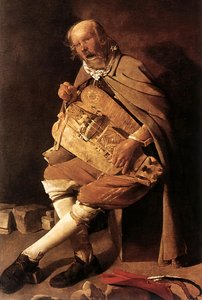
Georges de La Tour’s St. James the Greater: A Portrait of Faith Illuminated
The painting “St. James the Greater,” attributed to Georges de la Tour (1593 – 1652), stands as a testament to the Baroque artist's mastery of chiaroscuro—the dramatic interplay between light and dark—a technique that elevates this portrait beyond mere likeness into a profound meditation on spirituality. Executed around 1620, it resides within a broader artistic movement characterized by opulent grandeur and fervent religious devotion, reflecting the cultural landscape of Lorraine during the early seventeenth century. De la Tour’s stylistic approach distinguishes him from his contemporaries. Unlike many artists who favored vibrant colors and elaborate ornamentation, he deliberately subdued his palette, opting for muted browns, ochres, and reds—colors that contribute to the painting's solemn atmosphere. This restrained coloration serves not to diminish its impact but rather to intensify it, focusing attention on the central figure and highlighting the subtle gradations of light that sculpt his face and torso. The artist’s meticulous brushwork is evident in every detail, from the delicate rendering of the beard and mustache to the textured surface of the hat adorned with feathers—a deliberate allusion to royalty and divine authority. The historical context surrounding “St. James” is crucial to understanding its symbolic significance. Lorraine was a region deeply rooted in Catholicism, where religious piety permeated all aspects of daily life. Saint James, considered the patron saint of pilgrims and travelers, embodies virtues such as humility, perseverance, and faith—qualities that resonated powerfully with the spiritual aspirations of the time. The man depicted is seated calmly, gazing directly at the viewer, a posture indicative of contemplative prayer. His gaze conveys an inner peace unaffected by worldly concerns, suggesting that he has achieved a state of enlightenment through devotion. Furthermore, the inclusion of the wine glass symbolizes communion—the sacrament commemorating Jesus Christ’s Last Supper—a central ritual in Christian worship. It represents not merely physical nourishment but also spiritual sustenance, reminding viewers of the transformative power of faith. The feathers on the hat are interpreted as emblems of divine grace and majesty, reinforcing the painting's overarching theme of holiness. “St. James the Greater” transcends its formal portrait conventions to become an emotionally resonant artwork that speaks to universal human experiences. Its subdued colors, masterful technique, and carefully considered symbolism combine to create a visual narrative that invites contemplation and evokes feelings of serenity and reverence. It remains a captivating exemplar of Baroque art—a timeless masterpiece demonstrating how light and shadow can illuminate not only the physical form but also the deepest recesses of the soul.- Style: Baroque
- Technique: Chiaroscuro (Dramatic Light and Shadow)
- Historical Context: Lorraine, Early 17th Century – Religious Devotion
Biografija umjetnika
Georges de La Tour (1593-1652): French Baroque Master of Dramatic Chiaroscuro & Tenebrism
Georges de La Tour, a name that resonates with the hushed reverence reserved for masters of light and shadow, remains one of the most compelling figures of the French Baroque. Born in 1593 in Vic-sur-Seille, a small town nestled within the Duchy of Lorraine, his life unfolded against a backdrop of religious fervor and political upheaval. While details surrounding his early training remain somewhat elusive—scholars speculate about potential journeys to Italy or apprenticeships with local artists like Jacques Bellange—the seeds of his artistic vision were undoubtedly sown in this environment. He wasn’t born into an artistically established family; his father was a baker, yet the circumstances of his mother's lineage hint at a possible connection to nobility, a subtle influence perhaps reflected in the dignity and quiet grace that permeate his work.
Early Life & Artistic Influences
Georges de La Tour’s formative years were marked by the turbulent political landscape of Lorraine under Habsburg rule. Despite limited formal education—he received instruction primarily from his father—his innate talent for drawing quickly emerged, demonstrating an exceptional sensitivity to visual perception. Like many artists of his era, he likely absorbed artistic ideas through observation and imitation, encountering works by Caravaggio and Hendrick Terbrugghen during his travels. These encounters profoundly shaped his stylistic sensibilities, instilling in him a fascination with dramatic chiaroscuro—the masterful manipulation of light and dark—a technique that would become synonymous with his oeuvre.
The Utrecht School & The Dawn of Tenebrism
De La Tour’s artistic development coincided with the flourishing of the Utrecht School, a Dutch Caravaggisti movement characterized by its uncompromising realism and expressive intensity. Artists like Terbrugghen championed a style that prioritized psychological depth over mere visual accuracy—a stylistic approach that De La Tour skillfully adopted, refining his technique to achieve an unprecedented level of tonal gradation. This pivotal influence gave birth to tenebrism—the extreme use of darkness punctuated by strategically placed highlights—a compositional device that would become the hallmark of his paintings and solidify his reputation as a pioneer of Baroque art.
Major Works & Recurring Themes
Georges de La Tour’s artistic output spanned several decades, producing an astonishing array of canvases that explore themes of faith, piety, and domestic tranquility. His most celebrated works—including The Fortune-Teller (circa 1630), Adoration of the Shepherds (circa 1640), Saint Joseph Carpenter (circa 1650)—are masterpieces of Baroque art, distinguished by their luminous chiaroscuro and profound emotional resonance. These paintings aren’t merely depictions of biblical narratives; they are meditations on human experience—expressions of humility, compassion, and spiritual yearning. De La Tour's meticulous attention to detail—captured with astonishing precision—reveals an artist who possessed a remarkable understanding of both visual perception and psychological nuance.
Legacy & Enduring Appeal
Despite achieving considerable renown during his lifetime—he was appointed “Painter to the King” by Louis XIII in 1638—Georges de La Tour’s work remained largely unrecognized for centuries following his death in 1652. Rediscovery efforts spearheaded by scholars like Hermann Voss brought De La Tour back into focus, revealing an artist of extraordinary originality and depth whose influence extended far beyond the confines of his own time. His innovative use of light and shadow—coupled with his profound psychological insight—continues to inspire artists today, cementing his place as a pivotal figure in European art history. His paintings stand as timeless reminders of the power of faith and human connection—expressions of spiritual contemplation that resonate across generations.

Žorž De Lajur
1593 - 1652 , Francuska
Brzi pregled
- Artistic Movement Or Style: Tenebrism
- Artists Or Movements Influenced By This Artist: ['Francuski Klasicizam']
- Artists Who Influenced This Artist:
- Caravaggio
- Terbrugghen
- Date Of Birth: March 13, 1593
- Date Of Death: 1652
- Full Name: Georges de La Tour
- Nationality: Francuski
- Notable Artworks:
- Fortune Teller
- Adoration Shepherds
- Tears St Peter
- St Joseph Carpenter
- Place Of Birth: Vic-le-Comte, France