Pregledaj u stvarnoj veličini
 Pošalji
 Podijeli
 Detalji o umjetničkom djelu

 Preuzmi
 Slični predmeti
 Rentgenska snimka
 Automatska prezentacija
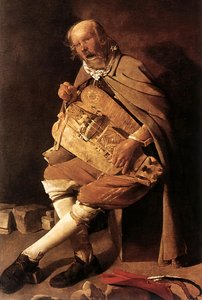
Boy blowing at a Lamp

 Prikaži više
Ručno rađena uljana reprodukcija
Ručno oslikano uljanim bojama na platnu u dimenzijama i okviru po vašem izboru, izrađeno po narudžbi od strane naših umjetnika. ( Kupi print Kupi digitalnu sliku)




P118B $10

P118H $10

P118W $10

P438Z $10

P508JH $12

P508YH $12

P805H $10

P805Z $10

P919BZ $10

P919G $10

P919XJ $10

P959ZH $10

P968JZ $12

W106C $8

W218G $10

W218JH $8

W218Y $10

W307PJ $10

W316G $10

W316PJ $8

W316Y $10

W398PJ $8

W4111J $10

W500HY $15

W500JH $15

W692G $12

W849H $8

W940BG $15

W953PJ $8




Odaberite jednu od naših unaprijed definiranih veličina koje odgovaraju izvornim proporcijama umjetničkog djela.

Možete unijeti vlastite dimenzije kako bi odgovarale određenom okviru ili prostoru. Ako odabrana veličina ne odgovara proporcijama izvorne slike, izrezat ćemo umjetničko djelo ili proširiti sliku dodatnim ručno oslikanim elementima. Digitalni nacrt bit će vam poslan na odobrenje prije početka proizvodnje.
Imajte na umu da pregled na ekranu ne prikazuje stvarno izrezivanje ili proširivanje. Samo će nacrt točno prikazati konačni sastav.
Iako su dostupne prilagođene veličine, preporučujemo odabir dimenzije s preddefiniranog popisa kako bismo očuvali izvorne proporcije.
Nakon narudžbe, tim OriginalUniqueArt.com kontaktirat će klijenta putem e-pošte radi dobivanja uputa te dostaviti probni prikaz (mockup).
Isporuka širom svijeta () u roku od 3-4 tjedna umjesto standardnih 5 tjedana. (22 Kolovoz). Bez kompromisa u kvaliteti.

Besplatna ekspresna dostava širom svijeta

Visokokvalitetno laneno platno

Potpuno osiguranje dostave

Jamstvo povrata carine i uvoznih poreza

Garancija vjernog podudaranja boja

Politika povrata u roku od 60 dana (samo u slučaju nedostataka)

Jamstvo povrata 100% novca

Popust na više proizvoda
 Opcija stakla dostupna je samo za dimenzije manje od 110 cm

Boy blowing at a Lamp
Tehnika reprodukcije
Veličina reprodukcije
-


Ukupna cijena
$ 300
Opis umjetničkog djela
A Moment Frozen in Shadow and Light: Georges de la Tour’s “Boy Blowing at a Lamp”
Georges de la Tour's "Boy Blowing at a Lamp" is not merely a depiction of childhood activity; it’s a profound meditation on the ephemeral nature of existence, rendered with an almost unsettling realism. Painted during the height of the French Baroque period – a time when religious fervor and artistic innovation collided – this work exemplifies de la Tour’s mastery of chiaroscuro, the dramatic interplay of light and dark that defines his signature style. The scene unfolds with a quiet intensity: a young boy, lost in concentration, attempts to extinguish a candle flame with a gentle puff of air. The details are meticulously observed – the furrowed brow, the focused gaze, the delicate movement of his hand – capturing a fleeting moment suspended in time.
- Subject Matter: The seemingly simple act of blowing out a candle becomes laden with symbolic weight. It represents the transient nature of life, memory, and even faith itself.
- Chiaroscuro Technique: De la Tour’s genius lies in his manipulation of light. The boy is bathed in a warm, almost ethereal glow emanating from the lamp, while the surrounding space plunges into deep shadow. This technique isn't just aesthetic; it serves to heighten the drama and draw the viewer's eye directly to the central figure.
Historical Context: A Master of Religious Devotion
Georges de la Tour (1593-1652) emerged during a period of significant religious upheaval in France, following the St. Bartholomew’s Day Massacre and the ongoing influence of the Catholic Church. His work is deeply rooted in this context, often depicting scenes from the Bible with a stark realism that emphasized human vulnerability and spiritual struggle. Unlike many of his contemporaries who embraced the flamboyant styles of Italian Mannerism, de la Tour favored a more restrained approach, prioritizing emotional depth over ostentation. He was part of a small group of artists known as the ‘Maîtres Chimeres’ (Chimera Masters) due to their use of dramatic lighting and unsettling subject matter.
Born in Vic-le-Comte, France, de la Tour's early life remains somewhat shrouded in mystery. His father was a baker, suggesting a humble upbringing, yet whispers persist of noble ancestry – a subtle influence perhaps reflected in the dignified composure of his figures. He married Diane Le Nerf in 1617 and settled in Lunévière, establishing a family and continuing to hone his distinctive artistic vision.
Symbolism and Interpretation
Beyond the immediate depiction of the boy and the lamp, "Boy Blowing at a Lamp" is rich with symbolic meaning. The extinguished flame can be interpreted as representing lost innocence, fading memories, or even the extinguishing of faith. The clock in the background, a recurring motif in de la Tour’s work, serves as a constant reminder of mortality and the relentless passage of time. The bowl, placed strategically at the bottom right, might symbolize earthly possessions – fleeting and ultimately insignificant in the face of eternity.
The painting's emotional impact is profound. It evokes a sense of melancholy, contemplation, and perhaps even a touch of unease. De la Tour’s masterful use of light and shadow creates an atmosphere that is both beautiful and unsettling, inviting viewers to confront fundamental questions about life, death, and the human condition.
Recreating the Masterpiece: A Hand-Painted Reproduction
OriginalUniqueArt offers meticulously crafted hand-painted reproductions of Georges de la Tour’s “Boy Blowing at a Lamp,” capturing the essence of this iconic work. Each reproduction is created by skilled artisans who painstakingly recreate de la Tour's technique, ensuring an authentic and enduring representation of this masterpiece. The use of archival quality materials guarantees that your reproduction will retain its beauty and vibrancy for generations to come. This artwork would be a stunning addition to any collection or a captivating focal point in interior design, bringing the drama and contemplation of de la Tour’s vision into your space.
Biografija umjetnika
Georges de La Tour (1593-1652): French Baroque Master of Dramatic Chiaroscuro & Tenebrism
Georges de La Tour, a name that resonates with the hushed reverence reserved for masters of light and shadow, remains one of the most compelling figures of the French Baroque. Born in 1593 in Vic-sur-Seille, a small town nestled within the Duchy of Lorraine, his life unfolded against a backdrop of religious fervor and political upheaval. While details surrounding his early training remain somewhat elusive—scholars speculate about potential journeys to Italy or apprenticeships with local artists like Jacques Bellange—the seeds of his artistic vision were undoubtedly sown in this environment. He wasn’t born into an artistically established family; his father was a baker, yet the circumstances of his mother's lineage hint at a possible connection to nobility, a subtle influence perhaps reflected in the dignity and quiet grace that permeate his work.
Early Life & Artistic Influences
Georges de La Tour’s formative years were marked by the turbulent political landscape of Lorraine under Habsburg rule. Despite limited formal education—he received instruction primarily from his father—his innate talent for drawing quickly emerged, demonstrating an exceptional sensitivity to visual perception. Like many artists of his era, he likely absorbed artistic ideas through observation and imitation, encountering works by Caravaggio and Hendrick Terbrugghen during his travels. These encounters profoundly shaped his stylistic sensibilities, instilling in him a fascination with dramatic chiaroscuro—the masterful manipulation of light and dark—a technique that would become synonymous with his oeuvre.
The Utrecht School & The Dawn of Tenebrism
De La Tour’s artistic development coincided with the flourishing of the Utrecht School, a Dutch Caravaggisti movement characterized by its uncompromising realism and expressive intensity. Artists like Terbrugghen championed a style that prioritized psychological depth over mere visual accuracy—a stylistic approach that De La Tour skillfully adopted, refining his technique to achieve an unprecedented level of tonal gradation. This pivotal influence gave birth to tenebrism—the extreme use of darkness punctuated by strategically placed highlights—a compositional device that would become the hallmark of his paintings and solidify his reputation as a pioneer of Baroque art.
Major Works & Recurring Themes
Georges de La Tour’s artistic output spanned several decades, producing an astonishing array of canvases that explore themes of faith, piety, and domestic tranquility. His most celebrated works—including The Fortune-Teller (circa 1630), Adoration of the Shepherds (circa 1640), Saint Joseph Carpenter (circa 1650)—are masterpieces of Baroque art, distinguished by their luminous chiaroscuro and profound emotional resonance. These paintings aren’t merely depictions of biblical narratives; they are meditations on human experience—expressions of humility, compassion, and spiritual yearning. De La Tour's meticulous attention to detail—captured with astonishing precision—reveals an artist who possessed a remarkable understanding of both visual perception and psychological nuance.
Legacy & Enduring Appeal
Despite achieving considerable renown during his lifetime—he was appointed “Painter to the King” by Louis XIII in 1638—Georges de La Tour’s work remained largely unrecognized for centuries following his death in 1652. Rediscovery efforts spearheaded by scholars like Hermann Voss brought De La Tour back into focus, revealing an artist of extraordinary originality and depth whose influence extended far beyond the confines of his own time. His innovative use of light and shadow—coupled with his profound psychological insight—continues to inspire artists today, cementing his place as a pivotal figure in European art history. His paintings stand as timeless reminders of the power of faith and human connection—expressions of spiritual contemplation that resonate across generations.

Žorž De Lajur
1593 - 1652 , Francuska
Osnovne informacije
- Artistic Movement Or Style: Tenebrism
- Artists Or Movements Influenced By This Artist: ['Francuski Klasicizam']
- Artists Who Influenced This Artist:
- Caravaggio
- Terbrugghen
- Date Of Birth: March 13, 1593
- Date Of Death: 1652
- Full Name: Georges de La Tour
- Nationality: Francuski
- Notable Artworks:
- Fortune Teller
- Adoration Shepherds
- Tears St Peter
- St Joseph Carpenter
- Place Of Birth: Vic-le-Comte, France
Srodni članci

Francisco Goya: 25 Remek-djela Španjolskog Majstora za Vaš Dom | OriginalUniqueArt
Uronite u svijet Francisca Goye! Otkrijte 25 remek-djela španjolskog majstora – od portreta do crnih slika. Povijest umjetnosti, tehnike i inspiracija za vaš dom. Kupite reprodukcije na OriginalUniqueArt.com!
Georges de La Tour: Luminosity, Spirituality & Realism in Baroque Painting
Discover the captivating world of Georges de La Tour, a Baroque master renowned for his dramatic chiaroscuro & spiritual realism. Explore key works, influences, and his remarkable rediscovery. Learn more at OriginalUniqueArt.

Maurice Quentin de La Tour: Light, Shadow & the Rococo Portrait
Explore the captivating world of Maurice Quentin de La Tour, a master of Rococo portraiture. Discover his innovative pastel techniques, intimate depictions of French aristocracy, and lasting artistic legacy. Learn more at OriginalUniqueArt.

Barokna Genijalnost: Top 10 Remekdjela Koja Su Definirala Umjetnički Pokret
Otkrijte 10 remekdjela barokne umjetnosti koja su obilježila epohu! Karavaggio, Bernini, Rubens i drugi majstori. Istražite priče iza slika, tehnike i vječne ljepote. Inspirirajte se za svoj interijer s OriginalUniqueArt.com - vrhunskim reprodukcijama i kuriranim idejama za dekoraciju doma.
25 Remek-djela s Biennala u Veneciji: Inspiracija za vaš dom | OriginalUniqueArt.com
Otkrijte 25 remek-djela s Biennala u Veneciji! Istražite povijest, umjetnike i inspirativne priče iza poznatih slika. Reprodukcije vrhunske kvalitete za luksuzni dekor interijera. Pronađite savršenu umjetninu na OriginalUniqueArt.com