

 Pregledaj u stvarnoj veličini
 Podijeli
 Podijeli
 Detalji
 Vodič
Vodič

 Preuzmi datoteku
 Slični predmeti
 Rentgenska snimka
 Slide show
 Statistika
Violin and candlestick
 Acrylic On Canvas
- WallArt
- Analytical Cubism
 1910
1910- Early Medieval
 61.0 x 50.0 cm
 Pročitajte više
Djelo prikazano na ovoj stranici zaštićeno je autorskim pravima, što znači da zakonski ne možemo izraditi niti prodati identičnu reprodukciju. Ova se zaštita provodi u skladu s međunarodnim sporazumima kao što su Bernska konvencija i nacionalnim zakonima, uključujući i one koji su utvrđeni u Američki zakon o autorskom pravu – Title 17.
Ova metoda u potpunosti je usklađena s autorskim pravima jer ne uključuje kopiranje ili dupliciranje zaštićenih umjetničkih djela. Umjesto toga, riječ je o kreativnoj reinterpretaciji – novoj slici koja je dobila utjecaj na izvornik, ali nije identična njemu.
Giclée / Umjetnički otisak
Giclée tisak muzejske kvalitete ili otisak na platnu uz brzu proizvodnju i fleksibilne opcije završne obrade. ( Naručite ručno oslikano reprodukciju Prebacite na digitalnu prodaju slika)




P118B €10

P118H €10

P118W €10

P438Z €10

P508JH €12

P508YH €12

P805H €10

P805Z €10

P919BZ €10

P919G €10

P919XJ €10

P959ZH €10

P968JZ €12

W106C €8

W218G €10

W218JH €8

W218Y €10

W307PJ €10

W316G €10

W316PJ €8

W316Y €10

W398PJ €8

W4111J €10

W500HY €15

W500JH €15

W692G €12

W849H €8

W940BG €15

W953PJ €8




Odaberite jednu od naših unaprijed definiranih veličina koje odgovaraju izvornim proporcijama umjetničkog djela.

Unesite širinu i visinu koja vam je potrebna, kako bi odgovarali vašem okviru ili zidu. Print se može samo izrezati, nikada ne može biti veći od slike, stoga veličina s drugačijim oblikom gubi dio slike. Šaljemo vam digitalni prikaz (mockup) na odobrenje prije bilo kakve štampe. Slika prikazana na ovoj stranici ne prikazuje stvarni rez — to čini samo digitalni prikaz.
Dostava širom svijeta () u roku od 2 tjedna umjesto standardnih 4/5 tjedana. (22 Listopad)

Besplatna ekspresna dostava širom svijeta

Visokokvalitetno laneno platno

Potpuno osiguranje transporta

Jamstvo povrata carine i uvoznih poreza

Jamstvo vjernosti boja

Politika povrata u roku od 100 dana (samo u slučaju nedostataka)

Jamstvo povrata 100% novca

Popust na više proizvoda
 Opcija stakla dostupna je samo za dimenzije manje od 110 cm

Violin and candlestick
Giclée / Umjetnički otisak
Veličina reprodukcije
-


Ukupna cijena
€ 70
A Fragmented World: Georges Braque’s “Violin and Candlestick”
Georges Braque's "Violin and Candlestick," painted in 1910, isn’t merely a depiction of objects; it’s an architectural exploration of perception itself. This pivotal work, rendered in the heart of Analytical Cubism, invites us into a space where form and function dissolve, revealing instead the fundamental building blocks of reality. The painting immediately commands attention with its muted palette – ochres, browns, and grays dominate – creating a sense of quiet contemplation rather than vibrant drama. It’s a deliberate choice by Braque, mirroring the analytical approach to Cubism, which sought to dissect subjects into their geometric components before reassembling them in an abstracted manner.
The Language of Geometry: Deconstructing Reality
At first glance, the composition appears deceptively simple: a violin taking center stage, flanked by a candlestick and surrounded by bottles and a bowl. However, upon closer inspection, this is where Braque’s genius truly shines. Each element—the violin's curves, the candlestick’s stem, the bottles’ contours—has been broken down into a series of interlocking planes and angles. These fragments aren’t simply arranged; they are superimposed, overlapping, and receding simultaneously, creating an illusion of depth within a two-dimensional surface. This technique, central to Analytical Cubism, rejects traditional perspective and instead offers multiple viewpoints of the subject at once, challenging our ingrained assumptions about how we see the world.
Symbolic Resonance: Light, Music, and Stillness
Beyond its purely formal qualities, “Violin and Candlestick” is rich in symbolic potential. The violin itself represents harmony and beauty, a classic symbol of artistic expression. Juxtaposed with the candlestick – a beacon of light and perhaps contemplation – it suggests a moment of quiet reflection amidst the complexities of modern life. The scattered bottles hint at abundance or perhaps even chaos, while the bowl could symbolize nourishment or domesticity. Braque deliberately avoids assigning definitive meanings; instead, he presents these objects as fragments of experience, inviting the viewer to construct their own interpretations.
A Legacy Forged in Fragmentation: Influences and Impact
“Violin and Candlestick” stands as a crucial bridge between Braque’s earlier Proto-Cubist explorations and the fully realized Analytical style. The influence of Paul Cézanne, particularly his emphasis on geometric forms and multiple viewpoints, is undeniably present. Furthermore, the painting reflects the broader intellectual currents of its time – the rise of scientific thought, the questioning of established artistic conventions, and a fascination with the mechanics of perception. It’s no exaggeration to say that this work helped pave the way for movements like Futurism, Suprematism, and even the development of collage in art. Reproductions of this piece offer a tangible connection to this groundbreaking period in art history, allowing us to appreciate Braque's pivotal role in shaping the 20th century’s visual landscape.
The painting’s intimate scale – measuring just 61 x 50 cm – further enhances its impact. It’s a piece that demands close attention, rewarding the viewer with an ever-shifting panorama of geometric forms and subtle tonal variations. A high-quality reproduction captures not only the visual details but also the underlying sense of intellectual rigor and artistic innovation that defines this masterpiece.
Pitanja i odgovori
Kako mogu pogledati "Violin and candlestick" autora Georges Braque u obliku prezentacije?
Diaporama djela "Violin and candlestick" možete pogledati na stranici Diaporama tog umjetničkog djela.
U kojoj je godini nastalo djelo "Violin and candlestick" autora Georges Braque?
"Violin and candlestick" autora Georges Braque nastalo je 1910.
Na koji način "Violin and candlestick" autora Georges Braque povezuje Analytical Cubism s domovinom umjetnika?
"Violin and candlestick" je djelo koje je stvorio/la Georges Braque, rođen/a u Francuska, unutar pokreta Analytical Cubism. Podrijetlo umjetnika povezuje ovo djelo s Analytical Cubism onako kako su ga prakticirali umjetnici iz Francuska.
Biografija umjetnika
Rano život i umjetničke osnove
Georges Braque, rođen u Argenteuilu u Francuskoj 1882. godine, krenuo je putem duboko isprepletenim s evoluirajućim krajolikom moderne umjetnosti. Odgoj unutar obitelji kućnih molera i dekoratora u njemu je usadila ne samo tehničku vještinu rukovanja materijalima, već i rano prepoznavanje važnosti forme i strukture. Iako je u početku slijedio očev zanat, Braqueove urođene umjetničke sklonosti ubrzo su ga odvele na formalno školovanje u École des Beaux-Arts u Le Havru, što je označilo početak njegovog puta prema postajanju jednom od najutjecajnijih slikara 20. stoljeća. Ova temelj, spoj praktičnog zanatstva i akademskog proučavanja, pokazao se ključnim dok je kasnije dekonstruirao i iznova zamišljao tradicionalne umjetničke konvencije.
Preselivši u Pariz 1902. godine, Braque je nastavio svoje studije na Académie Humbert, uranjajući u vibrantno umjetničko okruženje grada. Upravo je tu susreo umjetnike poput Marie Laurencin i Francisa Picabii, stvarajući veze koje će oblikovati njegov rani razvoj. Njegova početna djela odražavala su tadašnje utjecaje impresionizma i postimpresionizma, no presretan susret s odvažnim bojama i ekspresivnom slobodom fauvizma 190acije zapalio je novi smjer u njegovom umjetničkom istraživanju.
Prihvaćanje fauvizma i zora kubizma
Braqueovo prihvaćanje principa fauvizma — obilježeno intenzivnom, neprirodističkom bojom i emocionalnim izrazom — živopisno je prikazano u slikama poput djela Strpljenje. Ovo razdoblje obilježeno je radom uz umjetnike kao što su Henri Matisse i André Derain, uz eksperimentiranje s vibrantnim paletama i pojednostavljenim oblicima. Međutim, Braqueova povezanost s fauvizmom nije bila tek imitacija; on ju je prožela jedinstvenim osjećajem, ublažavajući neobuzdanu euforiju pokreta suzdržanijim i analitičkim pristupom.
Preokret je nastupio 1907. godine nakon susreta s retrospektivnom izložbom djela Paula Cézannea. Cézanneov naglasak na geometrijskim oblicima i višestrukim perspektivama duboko je utjecao na Braquea, pripremajući pozornicu za njegovu revolucionarnu suradnju s Pabloom Picassoom. Počevši od 1908. godine, ova dva umjetnička titana krenula su u razdoblje intenzivne intelektualne razmjene koja će roditi kubizam — revolucionarni pokret koji je razbio tradicionalne pojmove predstavljanja.
Zajedno su Braque i Picasso razvili analitički kubizam, disekciono rastavljajući predmete u fragmentirane geometrijske oblike i prikazujući više gledišta istovremeno. Djela poput Kuće u L'Estaque demonstriraju ovu ranu fazu, prikazujući radikalno odstupanje od konvencionalne perspektive i fokus na temeljnu strukturu oblika. Njihova je paleta postala namjerno prigušena, naglašavom forme nad bojom, dok su nastojali predstaviti cjelovitost prisutnosti predmeta umjesto samo njegovog izgleda.
Inovacija kroz fragmentaciju i kolaž
Partnerstvo između Braquea i Picassa nastavilo je pomagati granice umjetničkog izražavanja, što je dovelo do razvoja sintetičkog kubizma oko 1912. godine. Ova faza donijela je uvođenje kolaža — uključivanje materijala iz stvarnog svijeta, poput komadića novina, tapeta i tkanine, u slike. Ova inovacija izazvala je tradicionalnu hijerarhiju između slikarstva i kiparstva, zamagujući granice između umjetnosti i života.
Braqueova pionirska upotreba *papier collé* (lijepljeni papir) označila je značajnu prekretnicu u njegovoj umjetničkoj evoluciji. Integriranjem fragmenata svakodnevnih predmeta u svoje kompozicije, on je narušio iluzionistički prostor tradicionalnog slikarstva i uveo novu razinu materijalnosti i teksture. Ova tehnika nije samo proširila formalne mogućnosti umjetnosti, već je odražavala i rastuće zanimanje za odnos između reprezentacije i stvarnosti.
enteIzbijanje Prvog svjetskog rata 1914. godine prekinulo je ovu intenzivnu suradnju, jer je Braque bio pozvan u vojnu službu. Njegova ratna iskustva duboko su utjecala na njegovu umjetničku viziju, vodeći ga da u svom poslijeratnom radu istražuje intimnije, liričnije teme.
Kasne godine i trajno naslijeđe
Nakon rata, Braqueov stil evoluirao je izvan strogih okvira kubizma, uključujući elemente klasične kompozicije i obnovljeno zanimanje za mrtvu prirodu. Zadržavajući geometrijske utjecaje koji su definirali njegove ranije radove, razvio je suptilniji i kontemplativniji pristup slikarstvu. Njegovi kasniji pejzaži i interijeri odlikuju se spokojnom atmosferom i suptilnim harmonijama boja.
Tijekom cijele svoje karijere, Braque je ostao posvećen istraživanju temeljnih principa forme, prostora i predstavljanja. Nastavio je eksperimentirati s različitim materijalima i tehnikama, pomerajući granice umjetničkog izražavanja sve do svoje smrti 1963. godine. Njegov utjecaj na sljedeće generacije umjetnika neizmjeren je; oblikovao je put moderne umjetnosti i inspirirao bezbrojne slikare, kiparce i kolažiste.
Naslijeđe Georgesa Braquea proteže se izvan njegovih pojedinačnih umjetničkih djela; on je temeljito promijenio naše razumijevanje načina na koji percipiramo i predstavljamo svijet oko sebe. Njegov suradnički duh s Picassoom, zajedno s vlastitom jedinstvenom umjetničkom vizijom, učvrstio je njegovo mjesto pravog pionira moderne umjetnosti — majstora koji se usudio izazvati konvencije i redefinirati mogućnosti slikarstva.
Utjecaji i značajna djela
- Pod utjecajem: Henri Matisse, André Derain, Paul Cézanne
- Ključna djela: Houses at L'Estaque, The Patience, Violin and Palette, Mandola
- Utjecaj na povijest umjetnosti: Revolucionirao umjetnost 20. stoljeća kroz kubizam; izazvao tradicionalne pojmove perspektive i predstavljanja.
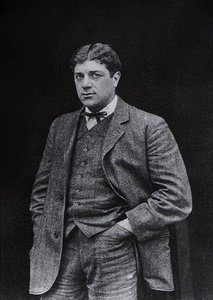
Georges Braque
1882 - 1963 , Francuska
Brzi pregled
- Artistic Movement Or Style: Kubizam i Fovizam
- Artists Who Influenced This Artist:
- Henri Matisse
- André Derain
- Paul Cézanne
- Date Of Birth: 13. svibnja 1882.
- Date Of Death: 31. kolovoza 1963.
- Full Name: Georges Braque
- Nationality: Francuski
- Notable Artworks:
- Kuće L'Estaque
- Strpljenje
- Violina i Paletu
- Place Of Birth: Argenteuil, Francuska
Povezani članci
Cubism Unveiled: How Picasso and Braque Redefined Reality Through Geometric Abstraction
Explore the revolutionary world of Cubism. Discover how masters Pablo Picasso and Georges Braque dismantled reality through geometric abstraction to redefine modern art history.
Deconstructing Reality: Analytical Cubism's Formative Years & Lasting Influence
Explore the revolutionary world of Analytical Cubism with OriginalUniqueArt. Discover Picasso & Braque's groundbreaking techniques, its philosophical roots, and lasting impact on modern art. Expert insights for collectors.
Deconstructing Reality: Cubism's Revolutionary Impact on 20th-Century Art
Explore the revolutionary world of Cubism with OriginalUniqueArt. Discover Picasso & Braque's groundbreaking techniques, its philosophical roots, and lasting impact on modern art. Expert insights for collectors.

Georges Braque: 25 Remek-djela Kubizma i Modernog Umjetnosti za Vaš Dom
Uronite u svijet Georges Braquea! Otkrijte 25 remek-djela kubizma i moderne umjetnosti. Saznajte priče iza slika, tehnike i inspiraciju ovog francuskog slikara. Kupite reprodukcije vrhunske kvalitete za vaš dom na OriginalUniqueArt.com
Beyond the Frame: How Analytical Cubism Shattered Reality and Redefined Modern Design
Explore how Analytical Cubism shattered reality to redefine modern design. Discover the revolutionary impact of Picasso and Braque on contemporary aesthetics, from graphic art to urban interiors. Dive into a visual journey through the movement that changed how we see the world.


