

 Pregledaj u stvarnoj veličini
 Pošalji
 Podijeli
 Detalji o umjetničkom djelu

 Preuzmi
 Slični predmeti
 Rentgenska snimka
 Automatska prezentacija
untitled (3111)


 Prikaži više
Kupite digitalnu sliku visoke rezolucije i poboljšane kvalitete, koja je znatno superiornija od online prikaza.
Svaka datoteka pedantno je pripremljena od strane naših internih stručnjaka koristeći napredne alate i vještinsku ručnu retušu. Osiguravamo da svaka slika ima iznimnu jasnoću, preciznu točnost boja i visoku razinu detalja.
Konačna datoteka dostavlja se putem e-pošte u roku od 72 sata, optimizirana za neposrednu upotrebu u profesionalnim, uredničkim i tiskarskim okruženjima. To je ista kvaliteta kojoj vjeruju vrhunski studiji dizajna, izdavači i galerije.
Digitalna slika
Preuzmite datoteku visoke rezolucije za osobnu izložbu, tisak i kreativne projekte. ( Kupi print Kupi ručno naslikanu sliku)
Uključeno uz svaku narudžbu digitalne slike
Profesionalna digitalna dostava, zajamčena
Odabirom OriginalUniqueArt.com ne dobivate samo sliku – dobivate profesionalno unapređeno digitalno umjetničko djelo, izrađeno s najvećom preciznošću uz jamstvo zadovoljstva. Evo svega što automatski dolazi uz vašu narudžbu:

Brza dostava e-poštom
Vaša digitalna slika visoke rezolucije bit će vam poslana e-mailom u roku od 72 sata od narudžbe – spremna za neposrednu upotrebu.

Digitalna datoteka poboljšana AI-om
Vaše umjetničko djelo profesionalno je optimizirano pomoću naprednih AI alata i ručnog uređivanja, čime se osigurava maksimalna razina detalja, oštrine i točnosti boja.

Besplatna ponovna dostava doživotno
Slučajno ste obrisali ili izgubili svoju datoteku? Ne brinite – ponovno ćemo vam je poslati u bilo kojem trenutku, potpuno besplatno.

Bez uvoznih carina – ikada
Uživajte u svojim umjetničkim djelima trenutno, bez carina, pristojbi ili troškova dostave – digitalne datoteke uvijek su oslobođene poreza.

Jamstvo točnosti boja
Uz pomoć profesionalnih alata i upravljanja bojama, osiguravamo da vaša digitalna slika što vjernije odražava izvorne boje.

Jamstvo zadovoljstva u trajanju od 60 dana
Ako niste zadovoljni svojom digitalnom slikom, revidirat ćemo je ili vratiti 100% novca u roku od 60 dana – bez ikakvih pitanja.

100% Jamstvo povrata novca
Niste zadovoljni? Osigurajte puni povrat novca u roku od 60 dana od primitka vaše digitalne datoteke – bez suvišnih pitanja.

Popusti na velike narudžbe
Kupite 3 slike, uštedite 10% - Kupite 5 slika, uštedite 15% - Kupite 10+ slika, uštedite 20%. Odlično za kreativne projekte, galerije i agencije.
The Genesis of Cubism: An Exploration of “Untitled (3111)”
Georges Braque’s “Untitled (3111),” a cornerstone of the Analytical Cubist movement, isn't merely a depiction of a vase; it’s an invitation to reconsider the very nature of seeing. Created around 1912, during a period of intense experimentation and collaboration with Pablo Picasso, this painting embodies the radical shift in artistic perspective that defined early 20th-century art. It emerged from a confluence of influences – Cézanne's geometric investigations, African sculpture’s stark forms, and the burgeoning interest in scientific theories of perception. Braque, deeply immersed in these currents, sought to dismantle traditional representation, not to abandon it entirely, but to expose the underlying structures that shape our visual experience.
The painting’s genesis lies within a deliberate effort to deconstruct reality into its fundamental components – planes, lines, and angles. Rather than striving for an illusion of depth or volume, Braque presents a fractured, multi-faceted view of the vase, simultaneously revealing its form from numerous vantage points. This technique, central to Analytical Cubism, rejects single-point perspective in favor of a simultaneous representation of multiple viewpoints, creating a dynamic and intellectually stimulating image. It’s a deliberate rejection of the comfortable familiarity of traditional painting, forcing the viewer to actively engage with the artwork and reconstruct its meaning.
A Palette of Earth and Shadow: Composition and Color
The color palette of “Untitled (3111)” is deliberately restrained – a muted symphony of beige, grey, brown, and white. These earthy tones contribute to a sense of quiet contemplation, anchoring the fragmented forms within a subdued emotional space. Rather than blending smoothly, the colors are applied in distinct blocks, reinforcing the painting’s geometric structure and emphasizing its Cubist aesthetic. The strategic use of blue-green in the background provides a subtle yet crucial contrast, subtly directing the eye through the complex arrangement of shapes.
- Geometric Precision: Rectangles, trapezoids, and curves dominate the composition, meticulously defining planes and creating a sense of spatial ambiguity.
- Restrained Palette: The muted colors evoke a feeling of stillness and introspection, complementing the painting’s intellectual complexity.
- Deliberate Contrast: The subtle blue-green background offers a visual anchor and guides the viewer's eye through the fragmented forms.
Deconstructing Form: Line, Texture, and Perspective
Lines in “Untitled (3111)” are primarily employed to delineate edges and define planes, often rendered with sharp, angular precision. These lines contribute significantly to the painting’s fragmented feel, visually dissecting the vase into its constituent parts. The texture appears relatively smooth, a product of careful brushwork, yet retains a subtle impression of flatness – a deliberate choice that reinforces the Cubist rejection of traditional three-dimensionality. Perspective is deliberately distorted; objects overlap and intersect in ways that defy conventional spatial relationships, further emphasizing the painting’s conceptual focus over realistic representation.
Symbolism and the Essence of Still Life
While a still life at its core, “Untitled (3111)” transcends mere depiction. The vase itself can be interpreted as a symbol of domesticity – a vessel for nourishment and connection – yet it’s simultaneously transformed into an abstract exploration of perception. The fragmented forms suggest the instability of visual experience, prompting viewers to question how we construct meaning from the world around us. Braque's work isn't about representing a vase; it's about representing *seeing* itself.
A Legacy in Reproduction: Bringing Braque’s Vision Home
Reproductions of “Untitled (3111)” offer a remarkable opportunity to experience the power and intellectual depth of this pivotal work. When selecting a reproduction, consider the quality of materials – an oil-on-canvas print will capture the painting's rich texture and nuanced color palette with greater fidelity than a digital image. This artwork’s enduring appeal lies not only in its aesthetic qualities but also in its profound exploration of perception, making it a captivating addition to any art collection or interior space.
Biografija umjetnika
Rano život i umjetničke osnove
Georges Braque, rođen u Argenteuilu u Francuskoj 1882. godine, krenuo je putem duboko isprepletenim s evoluirajućim krajolikom moderne umjetnosti. Odgoj unutar obitelji kućnih molera i dekoratora u njemu je usadila ne samo tehničku vještinu rukovanja materijalima, već i rano prepoznavanje važnosti forme i strukture. Iako je u početku slijedio očev zanat, Braqueove urođene umjetničke sklonosti ubrzo su ga odvele na formalno školovanje u École des Beaux-Arts u Le Havru, što je označilo početak njegovog puta prema postajanju jednom od najutjecajnijih slikara 20. stoljeća. Ova temelj, spoj praktičnog zanatstva i akademskog proučavanja, pokazao se ključnim dok je kasnije dekonstruirao i iznova zamišljao tradicionalne umjetničke konvencije.
Preselivši u Pariz 1902. godine, Braque je nastavio svoje studije na Académie Humbert, uranjajući u vibrantno umjetničko okruženje grada. Upravo je tu susreo umjetnike poput Marie Laurencin i Francisa Picabii, stvarajući veze koje će oblikovati njegov rani razvoj. Njegova početna djela odražavala su tadašnje utjecaje impresionizma i postimpresionizma, no presretan susret s odvažnim bojama i ekspresivnom slobodom fauvizma 190acije zapalio je novi smjer u njegovom umjetničkom istraživanju.
Prihvaćanje fauvizma i zora kubizma
Braqueovo prihvaćanje principa fauvizma — obilježeno intenzivnom, neprirodističkom bojom i emocionalnim izrazom — živopisno je prikazano u slikama poput djela Strpljenje. Ovo razdoblje obilježeno je radom uz umjetnike kao što su Henri Matisse i André Derain, uz eksperimentiranje s vibrantnim paletama i pojednostavljenim oblicima. Međutim, Braqueova povezanost s fauvizmom nije bila tek imitacija; on ju je prožela jedinstvenim osjećajem, ublažavajući neobuzdanu euforiju pokreta suzdržanijim i analitičkim pristupom.
Preokret je nastupio 1907. godine nakon susreta s retrospektivnom izložbom djela Paula Cézannea. Cézanneov naglasak na geometrijskim oblicima i višestrukim perspektivama duboko je utjecao na Braquea, pripremajući pozornicu za njegovu revolucionarnu suradnju s Pabloom Picassoom. Počevši od 1908. godine, ova dva umjetnička titana krenula su u razdoblje intenzivne intelektualne razmjene koja će roditi kubizam — revolucionarni pokret koji je razbio tradicionalne pojmove predstavljanja.
Zajedno su Braque i Picasso razvili analitički kubizam, disekciono rastavljajući predmete u fragmentirane geometrijske oblike i prikazujući više gledišta istovremeno. Djela poput Kuće u L'Estaque demonstriraju ovu ranu fazu, prikazujući radikalno odstupanje od konvencionalne perspektive i fokus na temeljnu strukturu oblika. Njihova je paleta postala namjerno prigušena, naglašavom forme nad bojom, dok su nastojali predstaviti cjelovitost prisutnosti predmeta umjesto samo njegovog izgleda.
Inovacija kroz fragmentaciju i kolaž
Partnerstvo između Braquea i Picassa nastavilo je pomagati granice umjetničkog izražavanja, što je dovelo do razvoja sintetičkog kubizma oko 1912. godine. Ova faza donijela je uvođenje kolaža — uključivanje materijala iz stvarnog svijeta, poput komadića novina, tapeta i tkanine, u slike. Ova inovacija izazvala je tradicionalnu hijerarhiju između slikarstva i kiparstva, zamagujući granice između umjetnosti i života.
Braqueova pionirska upotreba *papier collé* (lijepljeni papir) označila je značajnu prekretnicu u njegovoj umjetničkoj evoluciji. Integriranjem fragmenata svakodnevnih predmeta u svoje kompozicije, on je narušio iluzionistički prostor tradicionalnog slikarstva i uveo novu razinu materijalnosti i teksture. Ova tehnika nije samo proširila formalne mogućnosti umjetnosti, već je odražavala i rastuće zanimanje za odnos između reprezentacije i stvarnosti.
enteIzbijanje Prvog svjetskog rata 1914. godine prekinulo je ovu intenzivnu suradnju, jer je Braque bio pozvan u vojnu službu. Njegova ratna iskustva duboko su utjecala na njegovu umjetničku viziju, vodeći ga da u svom poslijeratnom radu istražuje intimnije, liričnije teme.
Kasne godine i trajno naslijeđe
Nakon rata, Braqueov stil evoluirao je izvan strogih okvira kubizma, uključujući elemente klasične kompozicije i obnovljeno zanimanje za mrtvu prirodu. Zadržavajući geometrijske utjecaje koji su definirali njegove ranije radove, razvio je suptilniji i kontemplativniji pristup slikarstvu. Njegovi kasniji pejzaži i interijeri odlikuju se spokojnom atmosferom i suptilnim harmonijama boja.
Tijekom cijele svoje karijere, Braque je ostao posvećen istraživanju temeljnih principa forme, prostora i predstavljanja. Nastavio je eksperimentirati s različitim materijalima i tehnikama, pomerajući granice umjetničkog izražavanja sve do svoje smrti 1963. godine. Njegov utjecaj na sljedeće generacije umjetnika neizmjeren je; oblikovao je put moderne umjetnosti i inspirirao bezbrojne slikare, kiparce i kolažiste.
Naslijeđe Georgesa Braquea proteže se izvan njegovih pojedinačnih umjetničkih djela; on je temeljito promijenio naše razumijevanje načina na koji percipiramo i predstavljamo svijet oko sebe. Njegov suradnički duh s Picassoom, zajedno s vlastitom jedinstvenom umjetničkom vizijom, učvrstio je njegovo mjesto pravog pionira moderne umjetnosti — majstora koji se usudio izazvati konvencije i redefinirati mogućnosti slikarstva.
Utjecaji i značajna djela
- Pod utjecajem: Henri Matisse, André Derain, Paul Cézanne
- Ključna djela: Houses at L'Estaque, The Patience, Violin and Palette, Mandola
- Utjecaj na povijest umjetnosti: Revolucionirao umjetnost 20. stoljeća kroz kubizam; izazvao tradicionalne pojmove perspektive i predstavljanja.
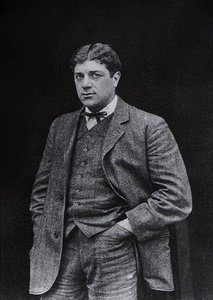
Georges Braque
1882 - 1963 , Francuska
Kratke činjenice
- Artistic Movement Or Style: Kubizam i Fovizam
- Artists Who Influenced This Artist:
- Henri Matisse
- André Derain
- Paul Cézanne
- Date Of Birth: 13. svibnja 1882.
- Date Of Death: 31. kolovoza 1963.
- Full Name: Georges Braque
- Nationality: Francuski
- Notable Artworks:
- Kuće L'Estaque
- Strpljenje
- Violina i Paletu
- Place Of Birth: Argenteuil, Francuska

