- Početna stranica

- Reprodukcija uljane slike
- Georges Braque
- Teogonía (Suite Vollard) 1
 Kupi otisak Kupi digitalnu sliku
 Pošalji
 Podijeli
 Detalji o umjetničkom djelu
 Dodaj u omiljene

 Preuzmi
 Slični predmeti
 Rentgenska snimka
 Automatska prezentacija
Teogonía (Suite Vollard) 1

 Prikaži više
Ručno rađena uljana reprodukcija
Ručno oslikano uljanim bojama na platnu u dimenzijama i okviru po vašem izboru, izrađeno po narudžbi od strane naših umjetnika.




































Odaberite jednu od naših unaprijed definiranih veličina koje odgovaraju izvornim proporcijama umjetničkog djela.

Možete unijeti vlastite dimenzije kako bi odgovarale određenom okviru ili prostoru. Ako odabrana veličina ne odgovara proporcijama izvorne slike, izrezat ćemo umjetničko djelo ili proširiti sliku dodatnim ručno oslikanim elementima. Digitalni nacrt bit će vam poslan na odobrenje prije početka proizvodnje.
Imajte na umu da pregled na ekranu ne prikazuje stvarno izrezivanje ili proširivanje. Samo će nacrt točno prikazati konačni sastav.
Iako su dostupne prilagođene veličine, preporučujemo odabir dimenzije s preddefiniranog popisa kako bismo očuvali izvorne proporcije.
Nakon narudžbe, tim OriginalUniqueArt.com kontaktirat će klijenta putem e-pošte radi dobivanja uputa te dostaviti probni prikaz (mockup).
Isporuka širom svijeta () u roku od 3-4 tjedna umjesto standardnih 5 tjedana. (16 Srpanj). Bez kompromisa u kvaliteti.

Besplatna ekspresna dostava širom svijeta

Visokokvalitetno laneno platno

Potpuno osiguranje dostave

Jamstvo povrata carine i uvoznih poreza

Garancija vjernog podudaranja boja

Politika povrata u roku od 60 dana (samo u slučaju nedostataka)

Jamstvo povrata 100% novca

Popust na više proizvoda
 Opcija stakla dostupna je samo za dimenzije manje od 110 cm

Teogonía (Suite Vollard) 1
Tehnika reprodukcije
Veličina reprodukcije
-


Ukupna cijena
-
Opis umjetničkog djela
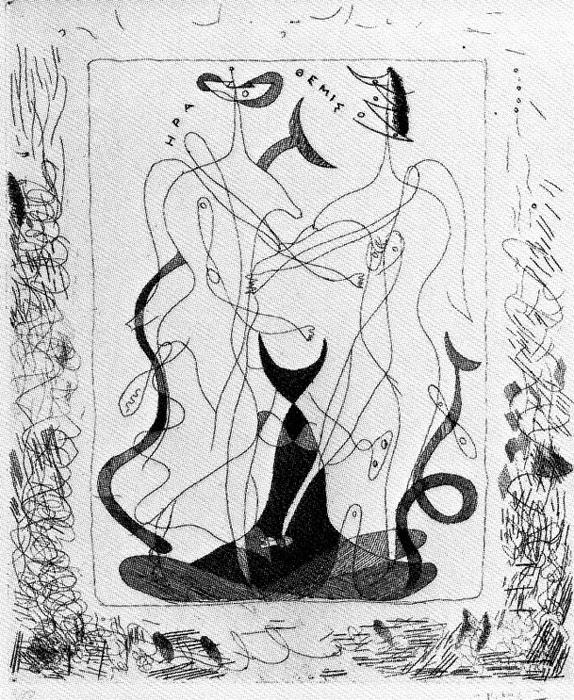
Georges Braque’s Teogonía (Suite Vollard) 1: A Fragmented Vision of Complexity
The artwork presents a strikingly abstract and fragmented composition in black and white, immediately arresting the viewer with its deliberate lack of conventional beauty. It embodies the spirit of Cubism and Surrealism, reflecting Braque's artistic evolution during his prolific career—a journey marked by radical experimentation and a profound reimagining of established artistic conventions. The image speaks to a core preoccupation with exploring inner landscapes and conveying symbolic ideas rather than depicting recognizable scenes or objects.- Overall Impression: The piece exudes an atmosphere of controlled chaos, achieved through meticulous line work and textural layering. It’s an etching or engraving that prioritizes visual dynamism over representational accuracy, hinting at underlying structural principles beneath the surface disruption.
- Composition: Enclosed within a rectangular border, the central arrangement of lines and shapes eschews a focal point, inviting contemplation across the densely populated elements. An asymmetrical balance contributes to the artwork’s expressive power, emphasizing certain areas while leaving others subtly ambiguous.
- Color Palette: Stripped bare of color—a deliberate choice—the monochrome palette amplifies the textural richness and tonal contrasts inherent in the etching process. This absence of hue underscores Braque's focus on form and structure as primary vehicles for conveying emotion and intellectual ideas.
- Use of Lines: Dominating the image, lines traverse the composition with varying thicknesses and directions—curves intertwine with jagged edges—creating a complex network that defines shapes and punctuates the visual field. These lines aren’t merely decorative; they actively contribute to the artwork's expressive character.
- Shapes: Fragmented geometric and organic forms populate the canvas, suggesting figures—perhaps human or animal—but rendered in an intensely abstracted manner. Angular forms juxtaposed with curved ones heighten the visual intricacy, mirroring Braque’s exploration of psychological depth.
Technique & Materials: The Etching Process – A Dialogue Between Precision and Texture
The artwork is executed as an etching on paper—a technique that leverages acid to carve lines into a metal plate before transferring the inked image onto paper. This process demands meticulous control over line thickness and direction, resulting in surfaces characterized by dense hatching and cross-hatching—creating areas of substantial shading—alongside smoother lines that delineate subtle variations in texture. The etching’s inherent materiality lends itself beautifully to capturing the essence of Braque's artistic vision.Symbolic Resonance: Anxiety and Order Amidst Fragmentation
The chaotic arrangement of lines and shapes isn’t merely aesthetically stimulating; it carries significant symbolic weight. It evokes feelings of anxiety, fragmentation—a visual representation of the human condition grappling with uncertainty—yet simultaneously hints at an underlying structure striving for equilibrium. Braque's masterful manipulation of form and texture invites viewers to contemplate profound questions about perception and experience.Historical Context & Artistic Influences: Cubism’s Legacy
Teogonía (Suite Vollard) 1 aligns seamlessly with the broader trajectory of Cubism, pioneered by Picasso and Braque themselves. This movement challenged traditional perspective and representation, favoring multiple viewpoints simultaneously to depict subjects in a more holistic manner—a stylistic decision that reflects Braque's unwavering commitment to pushing artistic boundaries. Its echoes can also be discerned in Picasso’s Vollard Suite, demonstrating the interconnectedness of avant-garde artistic explorations during this transformative period.Total:716 USD
Frame it
Payment
Oil Painting (Inspired By)
OilPainting [{M-8LJ26P}]
Discount(BIRTHDAY-PP)
NamePlate
FRAME(P118B)
Linen
Dim(32 x 39.3 inch (81.3 x 99.8 cm))
Discount of -73 USD on the painting
Worldwide DHL/Fedex Shipping
With insurance of refund 100% of all eventual fees including customs taxes
We can customize your artwork to your specifications!
Want to replace the face on the painting with your own? No problem! We can replace faces inside artwork, change backgrounds, or even replace objects within the painting. Once your order is received, we will contact you by email to determine your exact requirements.
Biografija umjetnika
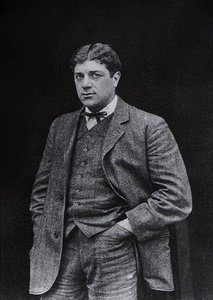
Georges Braque
Georges Braque was at the forefront of the revolutionary art movement of Cubism. His work throughout his life focused on still lifes and means of viewing objects from various perspectives through color, line, and texture. While his collaboration with Pablo Picasso and their Cubist works are best known, Braque had a long painting career that continued well beyond that period.Though Braque started out as a member of the Fauves—a group that included Henri Matisse and André Derain among others—he began developing a Cubist style after meeting Pablo Picasso. While their paintings shared many similarities in palette, style and subject matter, Braque stated that unlike Picasso, his work was “devoid of iconological commentary,” and was concerned purely with pictorial space and composition.
Braque’s early works were impressionistic, but after seeing the work exhibited by the Fauves in 1905, Braque adopted a Fauvist style. The Fauves, a group that included Henri Matisse and André Derain among others, used brilliant colors and loose structures of forms to capture the most intense emotional response.
He conducted an intensive study of the effects of light and perspective and the technical means that painters use to represent these effects, time dovodeći u pitanje najstandardnije umjetničke konvencije. In his village scenes, for example, Braque redovito smanjivao arhitektonsku strukturu do geometrijske forme slične kocki, no predočio je njezinu sjenu tako da ona izgleda i ravna i trodimenzionalna.
A decisive moment in its development occurred during the summer of 1907, when Georges Braque and Pablo Picasso painted side by side in Céret, in the French Pyrenees, each artist producing paintings that are difficult—sometimes virtually impossible—to distinguish from those of the other.
Together, Braque and Picasso developed Analytical Cubism, dissecting objects into fragmented geometric shapes and presenting multiple viewpoints simultaneously. Works like Houses at L'Estaque demonstrate this early phase, showcasing a radical departure from conventional perspective and a focus on the underlying structure of forms.
Their palette became deliberately muted, emphasizing form over color, as they sought to represent the totality of an object’s presence rather than merely its appearance.
The invention of Cubism was a joint effort between Picasso and Braque, then residents of Montmartre, Paris. These artists were the movement’s main innovators.
Georges Braque
1882 - 1963 , Francuska
Osnovne informacije
- Artistic Movement Or Style: Kubizam i Fovizam
- Artists Who Influenced This Artist:
- Henri Matisse
- André Derain
- Paul Cézanne
- Date Of Birth: 13. svibnja 1882.
- Date Of Death: 31. kolovoza 1963.
- Full Name: Georges Braque
- Nationality: Francuski
- Notable Artworks:
- Kuće L'Estaque
- Strpljenje
- Violina i Paletu
- Place Of Birth: Argenteuil, Francuska
Srodni članci
Etching Masters: 10 Legendary Prints That Revolutionized Art | OriginalUniqueArt
Journey through 10 legendary etching masterpieces by Rembrandt, Dürer & Goya. Explore the history of printmaking and discover timeless art for your home. Find museum-quality reproductions at OriginalUniqueArt.com.
Cubism's Revolution: 10 Masterpieces That Redefined Modern Art | OriginalUniqueArt
Explore 10 Cubist masterpieces by Picasso, Braque & more! Delve into the history of this revolutionary art movement. Find museum-quality reproductions and elevate your home decor with OriginalUniqueArt. Discover all masterpieces on OriginalUniqueArt.com
Kuboeksizam: 10 Remekdjela Koja Su Definirala Umjetnički Pokret
Otkrijte 10 remekdjela koja su definirala kubizam! Istražite Picasso, Braque i druge majstore moderne umjetnosti. Detaljne priče o tehnikama i značenju. Inspirirajte se za svoj interijer s vrhunskim reprodukcijama na OriginalUniqueArt.com!
Georges Braque: Pioneering Cubism & the Evolution of Modern Form
Explore the revolutionary art of Georges Braque, a pioneer of Cubism alongside Picasso. Discover his artistic evolution, key works, and lasting impact on modern art. A guide for discerning collectors.

Georges Braque: 25 Remek-djela Kubizma i Modernog Umjetnosti za Vaš Dom
Uronite u svijet Georges Braquea! Otkrijte 25 remek-djela kubizma i moderne umjetnosti. Saznajte priče iza slika, tehnike i inspiraciju ovog francuskog slikara. Kupite reprodukcije vrhunske kvalitete za vaš dom na OriginalUniqueArt.com