Cubist Fauvism
tenora (Georges Braque)
Georges Braque (1882–1963) je izradio tenora. Pripada pokretu Cubist Fauvism. Izrađeno je u Mixed Media.
- Mixed Media

 Pregledaj u realnoj veličini

 Ručno oslikano uljanim bojama
 Pošalji
 Podijeli
 Informativni list


 Preuzmi umjetničko djelo
 Slični predmeti
 Rentgenska snimka
 Slide show
 Pitanja i odgovori

 Statistika
tenora, ukratko
- Naslov
- tenora
- umjetnik
- Georges Braque (1882–1963)
- Rođen/a u
- Argenteuil, Francuska
- Tehnika
- Mixed Media
- Pokret
- Cubist Fauvism
- Razdoblje
- Modern
- Tema
- painting, paper, frame, texture, composition, abstraction
Što prikazuje tenora?
A Symphony of Texture and Silence
In the quiet realm of Georges Braque’s "Tenora," we encounter a masterpiece that defies the immediate expectations of the eye. At first glance, the composition presents a deceptive simplicity, a monochrome meditation that seems to strip away the distractions of the physical world. Yet, beneath this austere surface lies a profound exploration of texture and presence. The work functions as a tactile landscape, where the absence of vibrant color allows the viewer to focus entirely on the rhythmic dance of light across heavy, sculptural brushstrokes. It is an invitation to slow down, to move past the superficial, and to engage with the very materiality of paint itself. For the discerning collector or interior designer, this piece offers a sophisticated anchor—a work of quiet intensity that commands attention through its subtle complexity rather than through loud, competing hues.
The technique employed in "Tenora" is nothing short of visceral. Braque utilizes a thick impasto, applying layers of pigment so substantial that they create palpable ridges and valleys upon the canvas. This method transforms the painting from a mere two-dimensional image into a three-dimensional object, where shadows are cast by the paint itself. This interplay of light and shadow is further heightened by the artist's mastery of grayscale, creating a range of tones that feel both weighty and ethereal. The surface becomes a topographical map of the artist's creative struggle, capturing the energy of every stroke and the deliberate placement of every layer. Such textural depth makes a high-quality reproduction particularly rewarding, as it allows the play of ambient light in a room to interact with the simulated relief of the brushwork.
The Echoes of Fauvism and the Birth of Modernity
To understand "Tenora," one must look back to the radical shifts occurring in the French avant-garde at the turn of the 20th century. While Braque would later become a titan of Cubism, this work resonates with the lingering spirit of Fauvism. During this era, artists sought to liberate color from its descriptive duties, using it instead as a direct conduit for emotion. In "Tenora," even within a restricted palette, we feel that same expressive rebellion. The painting does not seek to mirror a recognizable object with photographic accuracy; rather, it seeks to capture the essence of a moment. There is a historical weight to this piece, as it sits at the crossroads of tradition and revolution, embodying the transition from the atmospheric preoccupations of Impressionism to the structural, intellectual rigor of the modern age.
The title itself, referencing the tenora—a traditional Catalan woodwind instrument—adds a layer of haunting symbolism. Though the instrument may not be explicitly rendered in a naturalistic fashion, its presence is felt through the rhythmic, melodic quality of the composition. The painting becomes a visual music, where the thick strokes act as notes and the tonal shifts serve as crescendos and decrescendos. This connection to folk tradition and auditory sensation imbues the work with a soulful, human element that balances its intellectual complexity. For those looking to infuse a space with culture and depth, "Tenora" provides more than just decoration; it offers a window into a pivotal moment of human expression, making it an enduring choice for any curated collection.
Slike visoke rezolucije djela tenora

Zaštićeno autorskim pravima: ove datoteke služe za osobnu referencu, a ne kao licenca za ponovno objavljivanje.
Georges Braque, tenora.
Odgovori na pitanja o tenora
U kojoj je tehnici izvedeno djelo "tenora" autora Georges Braque?
Tehnika djela "tenora" autora Georges Braque je Mixed Media. Reprodukcije imaju za cilj dočarati izgled ove tehnike.
Koje se teme pojavljuju u djelu "tenora" autora Georges Braque?
Teme prisutne u djelu "tenora" autora Georges Braque uključuju painting, paper, frame, texture, composition, abstraction, geometric, što zajedno sažima samu bit umjetničkog djela.
Je li "tenora" autora Georges Braque u javnom vlasništvu?
"tenora" autora Georges Braque je u i dalje je zaštićeno autorskim pravima. Ovaj status određuje način na koji se prikaz djela može reproducirati.
Koji umjetnik se pripisuje djelu "tenora"?
Autor djela "tenora" je Georges Braque. Rad je katalogiziran pod imenom Georges Braque.
Koji umjetnički pravac obuhvaća "tenora" autora Georges Braque?
"tenora" autora Georges Braque pripada pokretu Cubist Fauvism. Ovaj pokret pruža stilski kontekst djela.
U kojoj se fazi stvaralaštva umjetnika Georges Braque nalazi djelo "tenora"?
"tenora" predstavlja Mature Period umjetnika Georges Braque.
Zašto je status autorskih prava za "tenora" takav kakav jest?
Status autorskih prava za djelo "tenora" – i dalje je zaštićeno autorskim pravima – proizlazi iz godine smrti umjetnika, 1963.
Što "tenora" dijeli s ostatkom stvaralaštva umjetnika Georges Braque?
U cjelokupnom stvaralaštvu umjetnika Georges Braque, djelo "tenora" pripada stilu Cubist Fauvism, uz teme koje prožimaju fauvist expressionism, formal experimentation, analytical cubism, avant-garde tradition, iconic representation.
Gdje se "tenora" nalazi među uobičajenim motivima umjetnika Georges Braque?
"tenora" prikazuje painting, paper, frame, texture, composition, abstraction, geometric, dok su zabilježene teme umjetnika Georges Braque povezani s fauvist expressionism, formal experimentation, analytical cubism, avant-garde tradition, iconic representation. Usporedba ova dva elementa pokazuje kako se ovo djelo povezuje s uobičajenim motivima umjetnika.
O umjetniku, Georges Braque
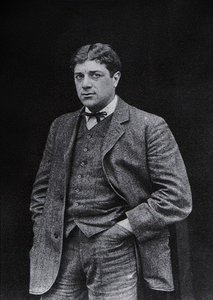
1882–1963, Francuska
Georges Braque
Rano djetinjstvo, obitelj i školovanje Georges Braque rođen je u Argenteuilu u Francuskoj 1882. godine. Njegove rane godine provedene su u Le Havru, u kućanstvu koje je bilo definirano praktičnim aspektima dekoracije i boje. Odrastajući u obitelji kućnih molera i dekoratora, od rane mladosti bio je uronjen u taktilne stvarnosti svog zanata.
I ostalo djelo autora Georges Braque
 Mandola1910
 Čovjek s gitarom1914
 Kuće u L'Estaqueu
 Lukobran u Normandiji1909
Eseji o djelu tenora
 Quietude on Canvas: Examining Serenity in Classical LandscapesExplore how masters like Dürer and Corot capture profound stillness through landscape. Discover the art of visual tranquility today.
 Georges Braque: 25 Remek-djela Kubizma i Modernog Umjetnosti za Vaš DomUronite u svijet Georges Braquea! Otkrijte 25 remek-djela kubizma i moderne umjetnosti. Saznajte priče iza slika, tehnike i inspiraciju ovo…
 Georges Braque: The Architect of Form and the Soul of Cubist RevolutionExplore the profound legacy of Georges Braque, a master of Cubism. Discover how his technical craftsmanship and collaboration with Picasso …