
 Pregledaj u realnoj veličini
 Pošalji
 Podijeli
 Detalji o umjetničkom djelu
 Vodič
Vodič

 Preuzmi umjetničko djelo
 Slični predmeti
 Rentgenska snimka
 Slide show
 Pitanja i odgovori
 Statistika
At Sunset, Bird XVI

- 45.0 x 68.0 cm


 Prikaži više
Djelo prikazano na ovoj stranici zaštićeno je autorskim pravima, što znači da zakonski ne možemo izraditi niti prodati identičnu reprodukciju. Ova se zaštita provodi u skladu s međunarodnim sporazumima kao što su Bernska konvencija i nacionalnim zakonima, uključujući i one koji su utvrđeni u Američki zakon o autorskom pravu – Title 17.
Ova metoda u potpunosti je usklađena s autorskim pravima jer ne uključuje kopiranje ili dupliciranje zaštićenih umjetničkih djela. Umjesto toga, riječ je o kreativnoj reinterpretaciji – novoj slici koja je dobila utjecaj na izvornik, ali nije identična njemu.
Giclée / Umjetnički otisak
Giclée tisak muzejske kvalitete ili otisak na platnu uz brzu izradu i raznolike opcije završne obrade. ( Kupi ručno oslikano djelo Prebacite na digitalnu sliku)




P118B €10

P118H €10

P118W €10

P438Z €10

P508JH €12

P508YH €12

P805H €10

P805Z €10

P919BZ €10

P919G €10

P919XJ €10

P959ZH €10

P968JZ €12

W106C €8

W218G €10

W218JH €8

W218Y €10

W307PJ €10

W316G €10

W316PJ €8

W316Y €10

W398PJ €8

W4111J €10

W500HY €15

W500JH €15

W692G €12

W849H €8

W940BG €15

W953PJ €8




Odaberite jednu od naših unaprijed definiranih veličina koje odgovaraju izvornim proporcijama umjetničkog djela.

Unesite potrebnu širinu i visinu kako bi odgovarali vašem okviru ili zidu. Print se može samo izrezati, nikada ne može biti veći od slike, stoga format s drugačijim omjerom stranica uzrokuje gubitak dijela slike. Prije bilo kakve štampe šaljemo vam digitalni prikaz (mockup) na odobrenje. Slika prikazana na ovoj stranici ne prikazuje stvarni rez — to prikazuje isključivo digitalni prikaz.
Dostava širom svijeta () u roku od 2 tjedna umjesto standardnih 4/5 tjedana. (4 Studeni)

Besplatna ekspresna dostava širom svijeta

Visokokvalitetno laneno platno

Potpuno osiguranje dostave

Jamstvo povrata carine i uvoznih poreza

Jamstvo vjernosti boja

Politika povrata u roku od 100 dana (samo u slučaju nedostataka)

Jamstvo povrata 100% novca

Popust na više proizvoda
 Opcija stakla dostupna je samo za dimenzije manje od 110 cm

At Sunset, Bird XVI
Giclée / Umjetnički otisak
Veličina reprodukcije
-


Ukupna cijena
€ 72
A Symphony of Twilight and Form
In the quiet, evocative depths of Georges Braque’s "At Sunset, Bird XVI," we encounter a moment where the boundaries between the physical world and abstract emotion begin to dissolve. Created in 1958, toward the twilight of his illustrious career, this lithograph serves as a profound meditation on movement and atmosphere. The subject—a bird captured mid-flight against the bleeding hues of a setting sun—is far more than a mere nature study. It is an exploration of freedom and the ephemeral nature of light. As the viewer’s eye follows the expansive stretch of the bird's wings, there is an immediate sense of kinetic energy, a feeling of soaring through a sky that is simultaneously heavy with color and light with spirit. For the discerning collector or interior designer, this piece offers a captivating focal point that brings a sense of rhythmic motion and organic grace to any sophisticated space.
The technical mastery displayed in this work is rooted in Braque’s expert use of lithography, a medium that allows for a level of tonal subtlety often unattainable in traditional oil painting. Through the meticulous application of ink onto stone, Braque achieves a breathtaking gradient of warmth; the vibrant oranges and deep ambers of the sunset do not simply sit upon the paper but seem to glow from within. The artist employs delicate hatching and cross-hatching to build texture, creating a palpable sense of depth that draws the observer into the hazy, atmospheric distance. This precision allows for a striking contrast between the dark, silhouetted form of the bird and the luminous backdrop, a duality that mirrors the tension between the tangible world and the ethereal realm of memory and dreams.
The Legacy of a Cubist Vision
To understand the emotional resonance of "At Sunset, Bird XVI," one must look back at the revolutionary journey of Georges Braque. While he is eternally celebrated as a primary architect of Cubism alongside Pablo Picasso, this later work reveals an artist who had moved beyond the fractured, analytical deconstruction of objects toward a more fluid, Expressionistic sensibility. The intellectual rigor of his early years—the dismantling of perspective and the interrogation of form—has matured here into a poetic synthesis. He no longer seeks to break the world apart, but rather to capture its essential essence through color and gesture. This evolution makes the piece particularly compelling for those who appreciate art that bridges the gap between historical significance and modern aesthetic appeal.
Beyond its visual splendor, the artwork carries a profound symbolic weight. The bird, soaring amidst the transition from day to night, serves as a universal symbol of transcendence and the soul's journey through the cycles of life. The sunset itself, a period of beautiful decay and inevitable change, invites a contemplative mood, making it an ideal selection for spaces designed for reflection, such as libraries, study alcoves, or serene lounge areas. Owning a reproduction of such a masterpiece is not merely about decorating a wall; it is about inviting a piece of art history into one's home—a piece that continues to pulse with the same creative energy and philosophical inquiry that defined the dawn of modern art.
Pitanja i odgovori
Je li "At Sunset, Bird XVI" autora Georges Braque u javnom vlasništvu i zašto?
Djelo "At Sunset, Bird XVI" autora Georges Braque nalazi se u i dalje je zaštićeno autorskim pravima. Autorska prava se obračunavaju od godine smrti umjetnika, a Georges Braque je preminuo/la 1963.
Što prikazuje "At Sunset, Bird XVI" autora Georges Braque?
Teme prisutne u djelu "At Sunset, Bird XVI" autora Georges Braque uključuju bird, sunset, abstraction, lithography, geometric, expressionism, color palette, što zajedno sažima samu bit umjetničkog djela.
Kome se "At Sunset, Bird XVI" autora Georges Braque preporučuje kao poklon?
"At Sunset, Bird XVI" autora Georges Braque preporučuje se kao poklon za Anniversary. Reprodukcija ovog umjetničkog djela izvrsna je ideja za dar.
Biografija umjetnika
Rano život i umjetničke osnove
Georges Braque, rođen u Argenteuilu u Francuskoj 1882. godine, krenuo je putem duboko isprepletenim s evoluirajućim krajolikom moderne umjetnosti. Odgoj unutar obitelji kućnih molera i dekoratora u njemu je usadila ne samo tehničku vještinu rukovanja materijalima, već i rano prepoznavanje važnosti forme i strukture. Iako je u početku slijedio očev zanat, Braqueove urođene umjetničke sklonosti ubrzo su ga odvele na formalno školovanje u École des Beaux-Arts u Le Havru, što je označilo početak njegovog puta prema postajanju jednom od najutjecajnijih slikara 20. stoljeća. Ova temelj, spoj praktičnog zanatstva i akademskog proučavanja, pokazao se ključnim dok je kasnije dekonstruirao i iznova zamišljao tradicionalne umjetničke konvencije.
Preselivši u Pariz 1902. godine, Braque je nastavio svoje studije na Académie Humbert, uranjajući u vibrantno umjetničko okruženje grada. Upravo je tu susreo umjetnike poput Marie Laurencin i Francisa Picabii, stvarajući veze koje će oblikovati njegov rani razvoj. Njegova početna djela odražavala su tadašnje utjecaje impresionizma i postimpresionizma, no presretan susret s odvažnim bojama i ekspresivnom slobodom fauvizma 190acije zapalio je novi smjer u njegovom umjetničkom istraživanju.
Prihvaćanje fauvizma i zora kubizma
Braqueovo prihvaćanje principa fauvizma — obilježeno intenzivnom, neprirodističkom bojom i emocionalnim izrazom — živopisno je prikazano u slikama poput djela Strpljenje. Ovo razdoblje obilježeno je radom uz umjetnike kao što su Henri Matisse i André Derain, uz eksperimentiranje s vibrantnim paletama i pojednostavljenim oblicima. Međutim, Braqueova povezanost s fauvizmom nije bila tek imitacija; on ju je prožela jedinstvenim osjećajem, ublažavajući neobuzdanu euforiju pokreta suzdržanijim i analitičkim pristupom.
Preokret je nastupio 1907. godine nakon susreta s retrospektivnom izložbom djela Paula Cézannea. Cézanneov naglasak na geometrijskim oblicima i višestrukim perspektivama duboko je utjecao na Braquea, pripremajući pozornicu za njegovu revolucionarnu suradnju s Pabloom Picassoom. Počevši od 1908. godine, ova dva umjetnička titana krenula su u razdoblje intenzivne intelektualne razmjene koja će roditi kubizam — revolucionarni pokret koji je razbio tradicionalne pojmove predstavljanja.
Zajedno su Braque i Picasso razvili analitički kubizam, disekciono rastavljajući predmete u fragmentirane geometrijske oblike i prikazujući više gledišta istovremeno. Djela poput Kuće u L'Estaque demonstriraju ovu ranu fazu, prikazujući radikalno odstupanje od konvencionalne perspektive i fokus na temeljnu strukturu oblika. Njihova je paleta postala namjerno prigušena, naglašavom forme nad bojom, dok su nastojali predstaviti cjelovitost prisutnosti predmeta umjesto samo njegovog izgleda.
Inovacija kroz fragmentaciju i kolaž
Partnerstvo između Braquea i Picassa nastavilo je pomagati granice umjetničkog izražavanja, što je dovelo do razvoja sintetičkog kubizma oko 1912. godine. Ova faza donijela je uvođenje kolaža — uključivanje materijala iz stvarnog svijeta, poput komadića novina, tapeta i tkanine, u slike. Ova inovacija izazvala je tradicionalnu hijerarhiju između slikarstva i kiparstva, zamagujući granice između umjetnosti i života.
Braqueova pionirska upotreba *papier collé* (lijepljeni papir) označila je značajnu prekretnicu u njegovoj umjetničkoj evoluciji. Integriranjem fragmenata svakodnevnih predmeta u svoje kompozicije, on je narušio iluzionistički prostor tradicionalnog slikarstva i uveo novu razinu materijalnosti i teksture. Ova tehnika nije samo proširila formalne mogućnosti umjetnosti, već je odražavala i rastuće zanimanje za odnos između reprezentacije i stvarnosti.
enteIzbijanje Prvog svjetskog rata 1914. godine prekinulo je ovu intenzivnu suradnju, jer je Braque bio pozvan u vojnu službu. Njegova ratna iskustva duboko su utjecala na njegovu umjetničku viziju, vodeći ga da u svom poslijeratnom radu istražuje intimnije, liričnije teme.
Kasne godine i trajno naslijeđe
Nakon rata, Braqueov stil evoluirao je izvan strogih okvira kubizma, uključujući elemente klasične kompozicije i obnovljeno zanimanje za mrtvu prirodu. Zadržavajući geometrijske utjecaje koji su definirali njegove ranije radove, razvio je suptilniji i kontemplativniji pristup slikarstvu. Njegovi kasniji pejzaži i interijeri odlikuju se spokojnom atmosferom i suptilnim harmonijama boja.
Tijekom cijele svoje karijere, Braque je ostao posvećen istraživanju temeljnih principa forme, prostora i predstavljanja. Nastavio je eksperimentirati s različitim materijalima i tehnikama, pomerajući granice umjetničkog izražavanja sve do svoje smrti 1963. godine. Njegov utjecaj na sljedeće generacije umjetnika neizmjeren je; oblikovao je put moderne umjetnosti i inspirirao bezbrojne slikare, kiparce i kolažiste.
Naslijeđe Georgesa Braquea proteže se izvan njegovih pojedinačnih umjetničkih djela; on je temeljito promijenio naše razumijevanje načina na koji percipiramo i predstavljamo svijet oko sebe. Njegov suradnički duh s Picassoom, zajedno s vlastitom jedinstvenom umjetničkom vizijom, učvrstio je njegovo mjesto pravog pionira moderne umjetnosti — majstora koji se usudio izazvati konvencije i redefinirati mogućnosti slikarstva.
Utjecaji i značajna djela
- Pod utjecajem: Henri Matisse, André Derain, Paul Cézanne
- Ključna djela: Houses at L'Estaque, The Patience, Violin and Palette, Mandola
- Utjecaj na povijest umjetnosti: Revolucionirao umjetnost 20. stoljeća kroz kubizam; izazvao tradicionalne pojmove perspektive i predstavljanja.
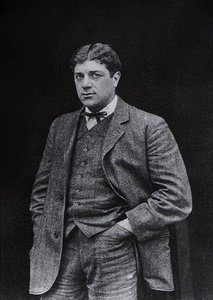
Georges Braque
1882 - 1963 , Francuska
Osnovne informacije
- Artistic Movement Or Style: Kubizam i Fovizam
- Artists Who Influenced This Artist:
- Henri Matisse
- André Derain
- Paul Cézanne
- Date Of Birth: 13. svibnja 1882.
- Date Of Death: 31. kolovoza 1963.
- Full Name: Georges Braque
- Nationality: Francuski
- Notable Artworks:
- Kuće L'Estaque
- Strpljenje
- Violina i Paletu
- Place Of Birth: Argenteuil, Francuska
Srodni članci

Lithography: A Historical Survey of Technique, Artistic Expression & Enduring Legacy
Explore the rich history of lithography – from Senefelder’s invention to its impact on fine art & commercial printing. Discover key artists, techniques, and collecting insights at OriginalUniqueArt.
Feathered Visions: A Historical & Artistic Exploration of Birds in Painting
Explore the rich history of birds in painting! Discover symbolism, artistic movements & master artists like Audubon. High-quality reproductions available at OriginalUniqueArt.
Golden Hours: Sunset Motifs in Western Art History
Explore the captivating history of sunset motifs in Western art! Discover iconic paintings by Monet, Van Gogh & Kuindzhi. Learn about Romanticism, Impressionism & collecting these timeless masterpieces. Expert insights at OriginalUniqueArt.

Mastering Color Theory: How Warm and Cool Hues Transform Your Art Collection
Elevate your collection with expert insights into color theory. Discover how the masterful interplay of warm and cool hues creates emotional resonance and spatial harmony, guiding discerning collectors in selecting museum-quality masterpieces for sophisticated interior curation.

Color Theory Decoded: How Warm and Cool Hues Masterfully Evoke Emotion in Art
Explore the profound connection between color theory and emotion. From Newton to Impressionism, learn how warm and cool hues evoke passion and serenity in art history's greatest masterpieces.


