

 Pregledaj u stvarnoj veličini
 Pošalji
 Podijeli
 Detalji o umjetničkom djelu

 Preuzmi
 Slični predmeti
 Rentgenska snimka
 Automatska prezentacija
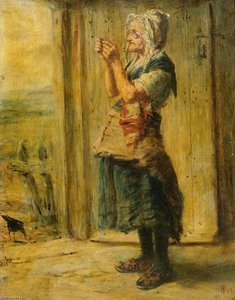
Street Scene
 Other
Other 21.0 x 12.0 cm
 Prikaži više
Giclée / Umjetnički otisak
Giclée tisak muzejske kvalitete ili otisak na platnu uz brzu proizvodnju i fleksibilne opcije završne obrade. ( Kupi ručno naslikanu sliku Kupi digitalnu sliku)




P118B $10

P118H $10

P118W $10

P438Z $10

P508JH $12

P508YH $12

P805H $10

P805Z $10

P919BZ $10

P919G $10

P919XJ $10

P959ZH $10

P968JZ $12

W106C $8

W218G $10

W218JH $8

W218Y $10

W307PJ $10

W316G $10

W316PJ $8

W316Y $10

W398PJ $8

W4111J $10

W500HY $15

W500JH $15

W692G $12

W849H $8

W940BG $15

W953PJ $8




Odaberite jednu od naših unaprijed definiranih veličina koje odgovaraju izvornim proporcijama umjetničkog djela.

Možete unijeti vlastite dimenzije kako biste umjetničko djelo prilagodili specifičnom okviru ili prostoru. Ako odabrana veličina ne odgovara proporcijama izvornog rada, izrezat ćemo dio slike ili je proširiti pomoću ogledalnog efekta ili jednobojne rubne površine. Digitalni prikaz (mockup) bit će vam poslan na odobrenje prije početka proizvodnje.
Imajte na umu da pregled na zaslonu ne odražava stvarno izrezivanje ili proširivanje. Samo će mockup točno prikazati konačnu kompoziciju.
Iako su dostupne prilagođene veličine, preporučujemo odabir dimenzije iz unaprijed definirane liste kako biste očuvali izvorne proporcije.
Dostava širom svijeta () u roku od 2 tjedna umjesto standardnih 4/5 tjedana. (26 Kolovoz)

Besplatna ekspresna dostava širom svijeta

Visokokvalitetno laneno platno

Potpuno osiguranje dostave

Jamstvo povrata carine i uvoznih poreza

Garancija vjernog podudaranja boja

Politika povrata u roku od 60 dana (samo u slučaju nedostataka)

Jamstvo povrata 100% novca

Popust na više proizvoda
 Opcija stakla dostupna je samo za dimenzije manje od 110 cm

Street Scene
Giclée / Umjetnički otisak
Veličina reprodukcije
-


Ukupna cijena
$ 80
Biografija umjetnika
The Luminous Vision of George Sherwood Hunter
Born in the historic city of Aberdeen on May 30, 1846, George Sherwood Hunter emerged as a painter of profound sensitivity, capable of bridging the gap between the rugged realism of his Scottish roots and the ethereal light of international landscapes. His artistic journey was one of constant movement and observation, beginning with foundational training in watercolor and drawing that instilled in him a lifelong reverence for the minute details of the natural world. While his early years were shaped by the academic rigor of the Edinburgh College of Art, his spirit was never confined to the classroom; rather, it sought the expansive horizons of the Highlands, the bustling streets of Cornish villages, and the sun-drenched architectural wonders of the Middle East.
Hunter’s technical evolution is a fascinating study in the transition from traditional realism to the atmospheric nuances of Impressionism. Influenced heavily by the works of Claude Monet and Frédéric Bazille, he learned to dismantle solid forms into luminous patches of color, allowing light to become the true protagonist of his canvases. This mastery of light enabled him to capture not just a location, but a moment in time—the fleeting shimmer on a loch or the vibrant energy of a festive crowd. His brushwork often employed layered strokes and subtle tonal variations, creating a sense of depth that invited viewers to step directly into his meticulously rendered worlds.
A Journey Through Light and Culture
The breadth of Hunter’s oeuvre is as vast as the landscapes he traversed. He found deep inspiration in the Scottish Highlands, where he documented the raw beauty of heather moorlands and coastal vistas with an almost documentary precision. Yet, his curiosity frequently led him far beyond the British Isles. His expeditions to Morocco and Egypt allowed him to translate the exotic textures of North African architecture and the spiritual weight of ancient sites onto canvas. One of his most poignant achievements includes his depictions of Jerusalem, where he captured the profound atmosphere of the Wailing Wall, a work that remains held in prestigious collections such as the Plymouth City Museum.
Beyond the solitary grandeur of nature, Hunter possessed a remarkable gift for capturing the pulse of human community. His paintings often serve as historical windows into late 19th-century life, celebrating both labor and leisure. Notable works include:
- Jubilee Procession in a Cornish Village, June 1897: A large-scale, captivating oil that breathes life into the Diamond Jubilee celebrations of Queen Victoria, filled with the movement of crowds and the glow of lanterns.
- Stacking Salt Herring Barrels: A poignant realist scene, likely set in Portsoy, Aberdeenshire, which honors the rhythmic toil of Scottish maritime trade.
- Street Scenes and Village Life: Works that capture the charm of everyday existence, from the bustling activity of a Cornish street to the quietude of rural paths.
Legacy within the Newlyn School
In his later years, Hunter became an integral figure in the artistic community of Newlyn, Cornwall. Much like his contemporaries in the Newlyn School, he sought out unspoiled rural subjects and found a sense of camaraderie in the artist colonies of Brittany and England. His studio in Batema’s Meadow was regarded by his peers as a "treasure-house" of inspiration, and his willingness to mentor others through the Forbes School of Painting cemented his importance to the development of British landscape art. Through his ability to blend the meticulousness of a naturalist with the emotive power of an Impressionist, George Sherwood Hunter left behind a legacy of paintings that continue to resonate with their timeless, atmospheric grace.
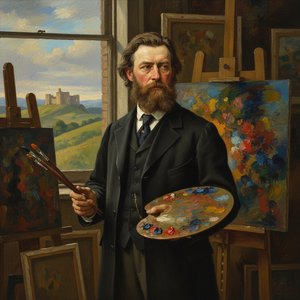
george sherwood hunter
1846 - 1920
Osnovne informacije
- Artistic Movement Or Style: Impressionism
- Artists Or Movements Influenced By This Artist: ['French Impressionism']
- Artists Who Influenced This Artist: ['Jean-François Millet']
- Date Of Birth: 1846
- Date Of Death: 1920
- Full Name: George Sherwood Hunter
- Nationality: British
- Notable Artworks:
- Stacking Salt Herring Barrels (possibly Portsoy)
- Jubilee Procession in a Cornish Village
- Street Scene
- Place Of Birth: London, England
Srodni članci
George Paul Chalmers: Rediscovering the Angus Rembrandt & Scottish Colourist Roots
Explore the captivating world of George Paul Chalmers (1833-1878), a pivotal Scottish painter. Discover his landscapes, portraits & connection to the Aesthetic Movement and Colourists. Learn about this 'Angus Rembrandt's' legacy with OriginalUniqueArt.

Evoking Nature's Sublime: A Comprehensive Exploration of 19th-Century Landscape Painting
Explore the captivating world of 19th-century landscape painting! Discover renowned artists like Friedrich & Monet, key movements, and find the perfect artwork to bring nature's serenity into your home. Expert insights at OriginalUniqueArt.

James Giles: Capturing Scottish Life Through the Lens of British Realism
Explore the life & work of James Giles (1801-1870), a master of Scottish landscape painting and favored artist of Queen Victoria. Discover his atmospheric realism & royal commissions.

Glavna 10 Remek-djela Romantizma: Uljepšajte Svoj Dom Umjetnošću
Otkrijte 10 remek-djela romantizma koja su definirala pejzažno slikarstvo! Uronite u svijet Friedricha, Turnera i Aivazovskog. Inspirirajte svoj interijer vrhunskim umjetničkim djelima. Kupujte reprodukcije na OriginalUniqueArt.com!

John Constable: 25 Remek-djela Engleskog Majstora Krajolika | OriginalUniqueArt
Uronite u svijet John Constabla! Otkrijte 25 remek-djela engleskog romantizma i pejzaža. Ekskluzivne reprodukcije slika, zidna dekoracija & inspiracija za dizajn interijera na OriginalUniqueArt.com. Istražite cijelu kolekciju online!

