 Pregledaj u realnoj veličini
 Pošalji
 Podijeli
 Detalji o umjetničkom djelu
 Vodič
Vodič

 Preuzmi umjetničko djelo
 Slični predmeti
 Rentgenska snimka
 Slide show
 Q&A
Q&A Statistika
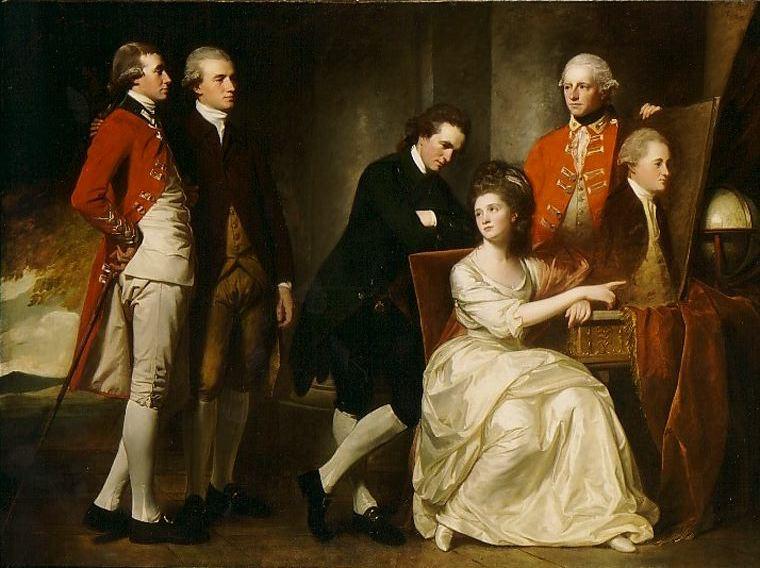
Obitelj Beaumont

 Prikaži više
Preuzmite datoteku spremnu za tisak koja kvalitom daleko nadilazi web prikaz. Svaka digitalna slika koju prodajemo prosljeđuje se iz visokorezolucijske master datoteke iz naše baze — obično širine od 5.000 do 15.000 piksela — što vam omogućuje tisak velikih dimenzija, precizno izrezivanje ili sigurnu reprodukciju najfinijih detalja.
Nijedna datoteka ne napušta naš studio netaknuta. Digitalni stručnjak uspoređuje boje s izvornim slikama i po potrebi ih ispravlja, a zatim poboljšava jasnoću i detalje pomoću profesionalnih alata za retuširanje — uvijek ostajući vjerni umjetnikovim potezima četkice i stilu. Rezultat je prikaz koji izgleda kao prava slika, a ne kao sken s filtrima.
Odobravanje prije završetka: naš stručnjak šalje sliku e-poštom u roku od 72 sata na vaš pregled. Niste zadovoljni? Zatražite poboljšanja ili ispravke, ili tražite povrat novca ako kvaliteta ne ispunjava vaša očekivanja.
To je kvaliteta na koju se oslanjaju izdavači, dizajn studiji, galerije i tiskare.
Digitalna slika
Preuzmite datoteku visoke rezolucije za osobnu izložbu, tisak i kreativne projekte. ( Prebacite na printove Kupi ručno oslikano djelo)
Uključeno uz svaku narudžbu digitalne slike
Profesionalna digitalna dostava, zajamčena
Odabirom OriginalUniqueArt.com ne dobivate samo sliku – dobivate profesionalno unapređeno digitalno umjetničko djelo, izrađeno s najvećom preciznošću uz jamstvo zadovoljstva. Evo svega što automatski dolazi uz vašu narudžbu:

Brza dostava e-poštom
Vaša digitalna slika visoke rezolucije bit će vam poslana e-mailom u roku od 72 sata od trenutka narudžbe – spremna za neposrednu upotrebu.

Digitalna datoteka poboljšana umjetnom inteligencijom
Vaše umjetničko djelo profesionalno je optimizirano pomoću naprednih AI alata i ručnog uređivanja, čime se osigurava maksimalna razina detalja, oštrine i točnosti boja.

Besplatna doživotna ponovna dostava
Slučajno ste obrisali ili izgubili svoju datoteku? Ne brinite – ponovno ćemo vam je poslati u bilo kojem trenutku, potpuno besplatno.

Bez uvoznih pristojnika – ikada
Uživajte u svojim umjetničkim djelima trenutno, bez carina, pristojbi ili troškova dostave – digitalni downloadi uvijek su oslobođeni poreza.

Jamstvo točnosti boja
Uz pomoć profesionalnih alata i upravljanja bojama, osiguravamo da vaša digitalna slika što vjernije odražava izvorne boje.

Jamstvo zadovoljstva u trajanju od 100 dana
Ako niste zadovoljni svojom digitalnom slikom, revidirat ćemo je ili vratiti 100% iznosa u roku od 100 dana – bez suvišnih pitanja.

100% Jamstvo povrata novca
Niste zadovoljni? Osigurajte puni povrat novca u roku od 100 dana od primitka digitalne datoteke – bez suvišnih pitanja.

Popusti na velike narudžbe
Kupite 3 slike, uštedite 10% - Kupite 5 slika, uštedite 15% - Kupite 10+ slika, uštedite 20%. Odlično za kreativne projekte, galerije i agencije.
The Beaumont Family: A Glimpse into Georgian Society
“The Beaumont Family” by George Romney is more than just a portrait; it’s a meticulously crafted snapshot of British aristocratic life during the late 18th century, capturing the essence of wealth, status and familial bonds. Commissioned to commemorate Sir George Howland Beaumont and his family – Lady Mary Anne Berkeley and their four children – this artwork exemplifies the neoclassical style championed by Romney himself, reflecting an era obsessed with classical ideals of beauty and order.Style and Technique: Neoclassical Portraiture
George Romney’s artistic vision firmly rooted in neoclassicism speaks volumes about the prevailing aesthetic sensibilities of his time. Unlike the Rococo movement's frivolity and ornamentation, neoclassical portraiture prioritized realism, clarity of form, and a return to the balanced compositions favored by ancient Greek and Roman artists. Romney skillfully achieves this goal through masterful manipulation of light and shadow – a technique honed during his formative years studying in Paris – creating depth and volume within each figure. The smooth application of oil paint is combined with painstaking blending, resulting in an exquisitely polished surface that exudes refinement. Notably, Romney’s dedication to detail extends beyond mere likeness; he painstakingly renders fabrics—from the crisp military coats worn by Sir George Beaumont to the delicate folds of Lady Mary Anne Berkeley's gown—demonstrating a profound understanding of material textures and their expressive potential.Historical Context: Wealth, Power, and Family Legacy
The Beaumont family’s prominence within Georgian society is palpable in Romney’s depiction. Sir George Howland Beaumont (1753-1827) wasn't merely an aristocrat; he was a pivotal figure in British cultural history – a fervent art patron who spearheaded the establishment of the National Gallery, ensuring that artistic appreciation remained accessible to all citizens. This ambitious undertaking underscores his commitment to elevating the nation’s cultural landscape and reflects the broader societal values of the period. Romney's success as a portrait painter stemmed from his ability to capture not only physical appearances but also the inner character of his subjects, establishing him as one of the era’s foremost artists alongside Gainsborough and Reynolds.Symbolism and Emotional Impact
The composition itself is laden with symbolic significance. The central figure – Lady Mary Anne Berkeley—occupies a position of prominence, subtly conveying her importance within the family hierarchy. Romney's careful arrangement emphasizes dignity and restraint, mirroring the values upheld by Georgian aristocracy. The military uniforms worn by Sir George Beaumont serve as emblems of power and authority, reinforcing the family’s social standing. Beyond mere representation, Romney strives to evoke an emotional response in the viewer—a sense of admiration for beauty, respect for tradition, and contemplation on the enduring bonds of familial love.Technical Details: Mastering Light and Texture
Romney's technique is characterized by meticulous observation and skillful execution. He utilizes oil paints on canvas with exceptional control, layering pigments to build up tonal gradations that illuminate the figures and sculpt their forms. The artist’s attention to textural detail—the subtle sheen of skin, the crispness of military fabric, and the softness of Lady Mary Anne Berkeley's dress—adds a layer of realism that elevates the artwork beyond mere visual representation. Romney’s meticulous blending ensures harmonious color transitions, creating an atmosphere of understated elegance and conveying the grandeur of Georgian society.Pitanja i odgovori
Koliko je "Obitelj Beaumont" popularno unutar pokreta Neoclassical Portraiture?
Unutar Neoclassical Portraiture pokreta, "Obitelj Beaumont" ima Prepoznatosti razinu popularnosti.
Kako se stil djela "Obitelj Beaumont" odnosi na doba u kojem je njegov autor stvarao?
"Obitelj Beaumont" pripada pokretu Neoclassical Portraiture, a njezin je autor stvarao u razdoblju Rana moderna era.
Kako se pokret Neoclassical Portraiture u djelu "Obitelj Beaumont" povezuje s domovinom umjetnika?
"Obitelj Beaumont" povezuje pokret Neoclassical Portraiture s Velika Britanija kroz rodno mjesto svog tvorca.
Biografija umjetnika
A Life in Portraiture: The World of George Romney
Born in the picturesque landscape of Dalton-in-Furness, Lancashire, on December 15th, 1734, George Romney ascended to become one of the most sought-after portrait painters of his era. His journey from a cabinet maker’s son to the favored artist of British high society is a compelling narrative of innate talent and unwavering ambition. Early life offered little indication of the artistic path he would forge; initially apprenticed to his father, it was an inherent inclination towards drawing and craftsmanship that led him to Christopher Steele, a local portraitist who had studied in Paris. This apprenticeship proved pivotal, providing Romney with foundational skills and an introduction to European artistic traditions. He quickly surpassed his master, however, demonstrating a precocious talent demanding further cultivation. A brief, unhappy marriage and subsequent separation propelled him towards London in 1762, a city brimming with opportunity but also fierce competition.Establishing a Reputation: Style and Technique
London proved to be a crucible for Romney’s artistic development. He swiftly established himself as a formidable portraitist, challenging the dominance of artists like Thomas Gainsborough and Sir Joshua Reynolds. While he never sought membership in the Royal Academy – a decision that perhaps limited his access to certain patronage – his success was undeniable. Romney's style evolved over time, initially reflecting the influence of Steele and his Parisian training, but soon blossomed into something distinctly his own. He possessed an exceptional ability to capture not merely the likeness, but also the personality and social standing of his sitters. His portraits are characterized by elegant poses, a refined use of light and shadow, and a subtle psychological insight that set him apart. Romney’s technique was marked by a delicate touch and a preference for flowing lines, often drawing inspiration from classical sculpture. He skillfully employed color to convey texture and depth, creating portraits that were both visually striking and emotionally resonant. His ability to flatter his subjects while maintaining artistic integrity earned him the loyalty of an elite clientele. He understood the power of suggestion, hinting at character rather than explicitly defining it, a quality that appealed to those who valued discretion and refinement. Romney’s meticulous attention to detail—the subtle folds of fabric, the delicate rendering of skin tones—demonstrated his mastery of observation and artistic execution.The Muse and Her Influence: Emma Hamilton
Romney’s life took a dramatic turn with his encounter with Emma Hart, later known as Lady Hamilton, in 1782. She became not only his most celebrated model but also his muse, profoundly influencing his artistic output. Emma's beauty, intelligence, and theatrical flair captivated Romney, inspiring a series of portraits that explored themes of classical mythology, dramatic narrative, and feminine grace. He depicted her in various roles – as a spinner, as the tragic Miranda from Shakespeare’s *The Tempest*, and in numerous allegorical scenes that showcased her expressive range. These works demonstrate Romney's willingness to experiment with composition and symbolism, moving beyond conventional portraiture into more imaginative territory. The Tempest series, in particular, reveals a Romantic sensibility at play, anticipating the emotional intensity of later artists. The relationship was intense and all-consuming for Romney, though ultimately unfulfilled romantically; Emma eventually became the mistress of Lord Nelson, a union that cemented her place in history. Nevertheless, their artistic collaboration left an indelible mark on both their lives and produced some of Romney’s most enduring masterpieces. He painted over 80 portraits of her, each revealing a different facet of her captivating personality. The dynamism captured in these images—Emma's animated gaze, the movement of her drapery—contrasted sharply with the static formality often found in earlier portraiture.Notable Works and Artistic Legacy
Romney’s oeuvre encompasses a remarkable range of subjects, from family portraits to landscapes and mythological scenes. Among his most celebrated works are *Peter and James Romney*, capturing the affectionate bond between father and son; *Portrait of G. Cowper*, showcasing the dignified countenance of a prominent literary figure; *The Death of General Wolfe*, an ambitious historical painting that exemplifies Romney’s dramatic flair; and *Mrs. Carwardine & Son*, demonstrating his ability to convey emotion through subtle gestures and expressions. These paintings stand as monuments to Romney's artistic skill and contribute significantly to the broader narrative of British Romanticism. His influence extended beyond his own time, inspiring subsequent generations of artists who admired his stylistic innovations and psychological insight. Romney’s legacy resides not only in the beauty of his artworks but also in their enduring relevance as representations of human experience—a testament to his ability to capture the essence of his subjects and convey profound emotional truths. He remains a significant figure in the history of art, a master portraitist who shaped the aesthetic sensibilities of an era and left behind a body of work that continues to captivate and inspire. ## Historical Significance George Romney’s contribution to British art is undeniable. He helped establish a distinctive visual language characterized by elegance, psychological depth, and artistic innovation—a style that distinguishes him from his contemporaries and secures his place among the most influential portrait painters of the eighteenth century. His portraits serve as invaluable documents of social life and cultural values during his time, offering glimpses into the aristocratic circles of London and reflecting the prevailing ideals of beauty and refinement. Romney’s enduring fame rests upon his ability to transform mere likeness into compelling narratives—a skill that cemented his reputation as a visionary artist who elevated portraiture beyond its traditional conventions. His work continues to be studied and admired for its technical brilliance and emotional resonance, ensuring that George Romney's artistic legacy will endure for centuries to come.
George Romney
1734 - 1802 , Velika Britanija
Kratki pregled
- Artistic Movement Or Style: Portretiranje, Romantizam
- Artists Or Movements Influenced By This Artist: ['Britanski portreti']
- Artists Who Influenced This Artist:
- Christopher Steele
- Carle Vanloo
- Rafael
- Date Of Birth: 15. prosinca 1734.
- Date Of Death: 15. novembra 1802.
- Full Name: George Romney
- Nationality: Britanski
- Notable Artworks:
- Peter Romney
- Portret G. Cowpera
- Smrt generala Wolfea
- Place Of Birth: Dalton-in-Furness, UK