
 Pregledaj u stvarnoj veličini
 Podijeli
 Podijeli
 Detalji
 Vodič
Vodič

 Preuzmi datoteku
 Slični predmeti
 Rentgenska snimka
 Slide show
 Statistika
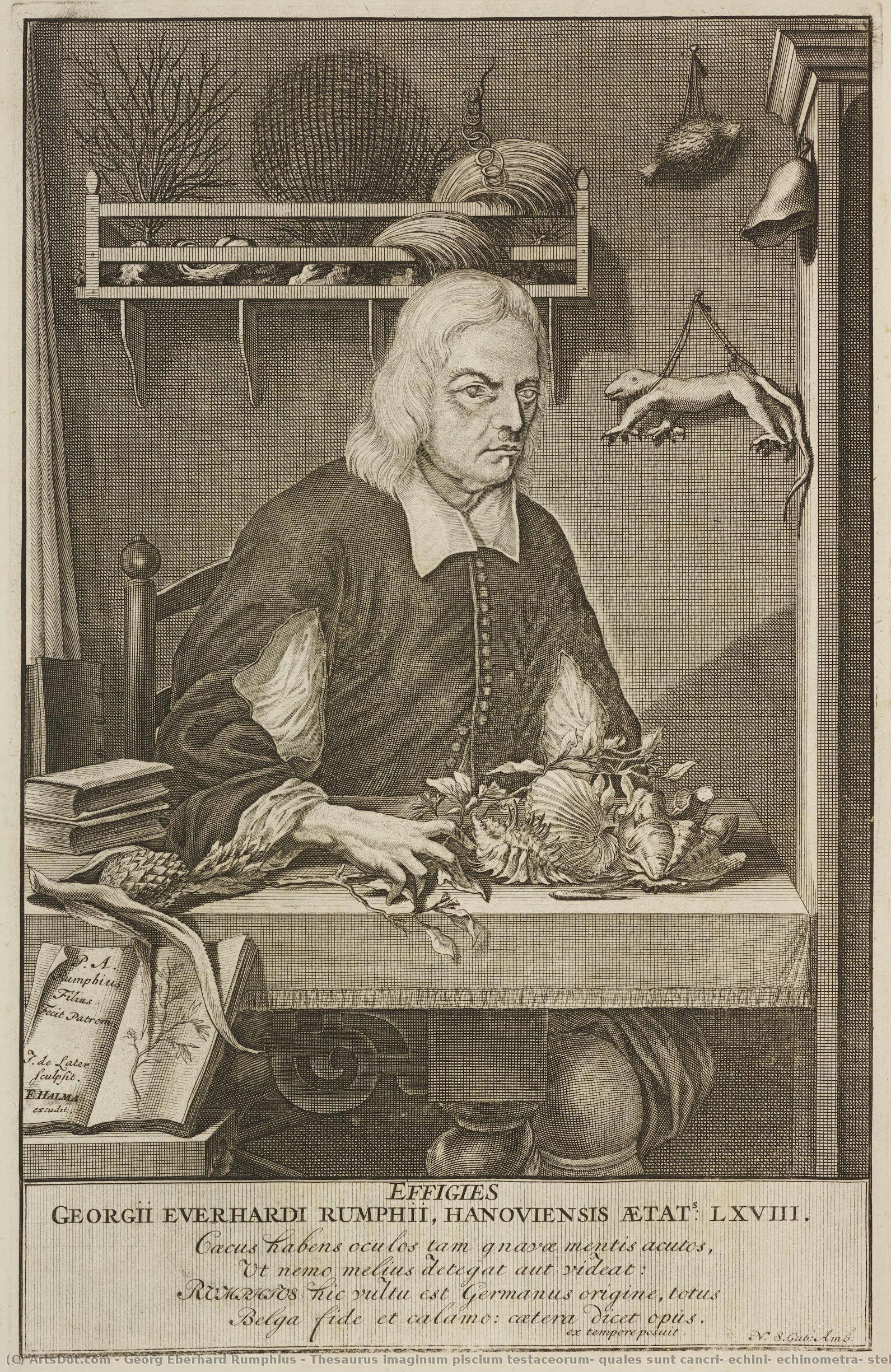
Thesaurus imaginum piscium testaceorum; quales sunt cancri, echini, echinometra, stellae marinae,


 Pročitajte više
Kupite digitalnu sliku visoke rezolucije i poboljšane kvalitete, koja je znatno superiornija od online prikaza.
Svaku datoteku pedantno pripremaju naši internim stručnjaci koristeći napredne alate i vještinsku ručnu retušu. Osiguravamo da svaka slika ima iznimnu jasnoću, preciznu točnost boja i vrhunsku razinu detalja.
Konačna datoteka dostavlja se putem e-pošte u roku od 72 sata, optimizirana za neposrednu upotrebu u profesionalnim, uredničkim i tiskarskim okruženjima. To je ista kvaliteta kojoj vjeruju vrhunski studiji dizajna, izdavači i galerije.
Digitalna slika
Preuzmite datoteku visoke rezolucije za osobnu izložbu, tisak i kreativne projekte. ( Prebacite na prodaju printova Naručite ručno oslikano reprodukciju)
Uključeno uz svaku narudžbu digitalne slike
Stručna digitalna dostava, zajamčena
Odabirom OriginalUniqueArt.com ne dobivate samo sliku – dobivate profesionalno unapređeno digitalno umjetničko djelo, izrađeno s najvećom preciznošću uz jamstvo zadovoljstva. Evo svega što automatski dolazi uz vašu narudžbu:

Brza dostava e-poštom
Vaša digitalna slika visoke rezolucije bit će vam poslana e-mailom u roku od 72 sata od trenutka narudžbe – spremna za neposrednu upotrebu.

Digitalna datoteka uz pomoć AI-a
Vaše umjetničko djelo profesionalno je optimizirano pomoću naprednih AI alata i ručnog uređivanja, čime se osigurava maksimalna razina detalja, oštrine i točnosti boja.

Besplatna doživotna ponovna dostava
Slučajno ste obrisali ili izgubili svoju datoteku? Ne brinite – ponovno ćemo vam je poslati u bilo kojem trenutku, potpuno besplatno.

Bez uvoznih pristojnika – ikada
Uživajte u svojim umjetničkim djelima trenutno, bez carina, pristojbi ili troškova dostave – digitalni downloadi uvijek su oslobođeni poreza.

Jamstvo točnosti boja
Uz pomoć profesionalnih alata i upravljanja bojama, osiguravamo da vaša digitalna slika što vjernije odražava izvorne boje.

Jamstvo zadovoljstva u trajanju od 100 dana
Ako niste zadovoljni svojom digitalnom slikom, revidirat ćemo je ili vratiti 100% iznosa u roku od 100 dana – bez suvišnih pitanja.

100% Jamstvo povrata novca
Niste zadovoljni? Osigurajte puni povrat novca u roku od 100 dana od primitka digitalne datoteke – bez suvišnih pitanja.

Popusti na velike narudžbe
Kupite 3 slike, uštedite 10% - Kupite 5 slika, uštedite 15% - Kupite 10+ slika, uštedite 20%. Odlično za kreativne projekte, galerije i agencije.
Biografija umjetnika
Domenico Piola: The Architect of Genoese Ceilings
Domenico Piola, born in Genoa around 1627 and passing away in 1702, stands as a pivotal figure in the artistic landscape of his era – a true master of the Baroque period. More than simply a painter, he was the driving force behind the Piola family studio, a prolific workshop that dominated the decoration of ceilings throughout Genoa for nearly a century. His legacy isn’t defined by individual masterpieces hanging in grand museums, but rather by the sheer scale and enduring beauty of his contributions to countless churches and palaces across the city. Piola's influence extended beyond mere aesthetics; he was a meticulous planner, a skilled designer, and a shrewd manager, orchestrating a complex operation that produced an astonishing volume of decorative work.- Early Influences & Training: Piola’s artistic journey began under the tutelage of his older brother-in-law, Stefano Camogli, a respected Genoese painter. However, it was his connection to his even more accomplished brother, Pellegrino Piola, and the guidance of Pellegrino's teacher, Giovanni Domenico Cappellino – a prominent figure in the Roman Baroque – that truly shaped his style. Cappellino’s influence is particularly evident in Piola’s early works, characterized by a refined elegance and a masterful command of color and composition.
- The Rise of Casa Piola: Following Pellegrino's death, Domenico inherited the family studio, which quickly evolved into “Casa Piola.” This wasn’t merely a workshop; it was a fully integrated design and production center. The studio employed a team of skilled artisans – including Domenico’s brothers, Stefano Camogli, his sons, and even his sons-in-law – each contributing to the creation of elaborate ceiling decorations. This collaborative approach streamlined the process, allowing for the rapid execution of numerous commissions and establishing a distinctive style that became synonymous with the Piola name.
A Symphony of Color and Composition: The Style of Domenico Piola
Piola’s artistic signature is immediately recognizable – a vibrant, theatrical Baroque style infused with a distinctly Genoese sensibility. He wasn't interested in replicating existing styles; instead, he developed a unique approach that prioritized dynamism, illusionism, and an overwhelming sense of grandeur. His ceiling frescoes are not static images but rather immersive environments, designed to transport the viewer into a world of heightened emotion and spectacle.- Technique & Materials: Piola was renowned for his exceptional skill in *trompe-l'oeil* – creating the illusion of three-dimensional space on a flat surface. He employed a sophisticated understanding of perspective, light, and shadow to achieve this effect, often incorporating architectural elements, figures, and even landscapes that seemed to extend beyond the confines of the ceiling. His use of color was equally masterful, employing rich pigments and carefully calibrated harmonies to create dazzling visual effects.
- Thematic Elements: Piola’s decorations frequently featured allegorical scenes, religious narratives, and mythological subjects. He skillfully integrated these themes into the architectural context of each space, transforming churches and palaces into grand stages for divine stories and heroic tales. The *Palazzo Rosso* in Genoa is a prime example, where his depictions of the four seasons – Autumn, Winter, Spring, and Summer – are particularly celebrated for their dramatic intensity and meticulous detail.
Notable Works & Commissions
Piola’s prolific output resulted in an astonishing number of commissions throughout Genoa and beyond. While many of these works have been lost or damaged over the centuries, several remain as testaments to his skill and influence.- Palazzo Rosso (Genoa): His depictions of the four seasons within the Palazzo Rosso are arguably his most famous achievement. The dramatic intensity of Winter and Autumn, in particular, have been widely praised for their masterful use of color and composition.
- Churches throughout Genoa: Piola decorated numerous churches across the city, including the Duomo di San Lorenzo, the Chiesa di Santa Croce, and the Cappella di San Carlo Borromeo. His work in these spaces demonstrates his versatility and ability to adapt his style to different architectural contexts.
- Milan & Other Commissions: In 1684-85, Piola traveled to Milan, Piacenza, Bologna, and Asti, undertaking decorative projects for prominent patrons. These commissions further expanded his artistic repertoire and exposed him to new influences.
Legacy and Historical Significance
Domenico Piola’s impact on the art of Genoa is undeniable. He not only elevated the status of Genoese painting but also established a workshop that would shape the city's visual landscape for generations. His meticulous planning, innovative techniques, and collaborative approach revolutionized the process of ceiling decoration, transforming it from a craft-based activity into a sophisticated artistic endeavor. While his individual works may be less frequently exhibited than those of other Baroque masters, Piola’s legacy lives on in the countless ceilings that adorn the churches and palaces of Genoa – a vibrant testament to the genius of this remarkable artist. His work represents a crucial link between Italian Baroque painting and the development of decorative arts in Northern Europe, solidifying his place as a significant figure in European art history.
georg eberhard rumphius
1627 - 1702 , Germany
Osnovne informacije
- Artistic Movement Or Style: Baroque
- Artists Or Movements Influenced By This Artist: ['Casa Piola Studio']
- Artists Who Influenced This Artist:
- Stefano Camogli
- Giovanni Domenico Cappellino
- Date Of Birth: 1627
- Date Of Death: 1702
- Full Name: Domenico Piola
- Nationality: Italian
- Notable Artworks:
- Communion of Clare of Montefalco
- Decoration Palazzo Rosso
- Place Of Birth: Genoa, Italy