Prebacite na printove
 Prikaži više







































 Za umjetnička djela ili reprodukcije veće od 105 cm (približno 41 inč) na bilo kojoj strani, okvir će biti isporučen u obliku rastavljenog seta za montažu. Ovaj način osigurava sigurnu dostavu i sprječava oštećenja tijekom transporta.


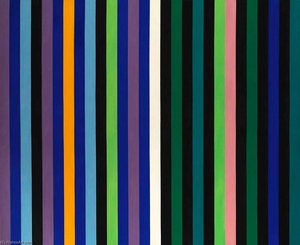
The Red Baron is a striking painting created by Gene Bernard Davis in 1966. This acrylic on canvas piece measures 200 x 103 cm and is a prime example of the artist's unique style, which blends bold colors and geometric shapes to create a visually stunning effect.
The Red Baron is a testament to the enduring power of Color Field art, and its influence can still be seen in contemporary art today. As a masterpiece of American art, it continues to inspire and delight audiences around the world.
Artist Background
Gene Bernard Davis was an American artist known for his contributions to the Color Field movement. His work often featured vertical stripes of color, which gave his paintings a sense of rhythm and energy. The Red Baron is a quintessential example of this style, with its bold red and orange hues evoking a sense of dynamism and movement.Painting Description
The Red Baron features two distinct sections: one predominantly red and the other mostly orange. The red section appears as a solid color, while the orange section has some texture and detail. This contrast between smooth and textured surfaces adds depth to the painting, making it more engaging for the viewer.Museum Collections
The Red Baron is part of the collection at the Smithsonian American Art Museum. You can find more information about this painting and other works by Gene Bernard Davis on the OriginalUniqueArt.com website.- The Red Baron is a significant work in the Gene Bernard Davis oeuvre, showcasing his unique style and contribution to the Color Field movement.
- The painting's bold colors and geometric shapes make it a visually striking piece that continues to captivate audiences today.
- As a leading figure in the Washington Color School, Gene Bernard Davis played an important role in shaping the development of American art in the mid-20th century.
The Red Baron is a testament to the enduring power of Color Field art, and its influence can still be seen in contemporary art today. As a masterpiece of American art, it continues to inspire and delight audiences around the world.
Pitanja i odgovori
Jesu li boje djela "Red Baron" autora Gene Bernard Davis živopisne ili prigušene?
Zasićenost boja u djelu "Red Baron" iznosi Vivid Color, dok je intenzitet Vivid.
Je li "Red Baron" autora Gene Bernard Davis portret, pejzaž ili kvadratna kompozicija?
"Red Baron" autora Gene Bernard Davis je kompozicija u Panoramic formatu. Razmjer je vrijedno provjeriti prije odabira veličine printa.
Kako "Red Baron" uspostavlja ravnotežu između svjetla i tame?
Zabilježene vrijednosti za "Red Baron" autora Gene Bernard Davis su: svjetlina brilliant, luminancija Gentle Luminance.
 Pregledaj u realnoj veličini
 Pošalji
 Podijeli
 Detalji o umjetničkom djelu
 Vodič
Vodič

 Preuzmi umjetničko djelo
 Slični predmeti
 Rentgenska snimka
 Slide show
 Pitanja i odgovori
 Statistika