

 Pregledaj u stvarnoj veličini
 Podijeli
 Podijeli
 Detalji
 Vodič
Vodič

 Preuzmi datoteku
 Slični predmeti
 Rentgenska snimka
 Slide show
 Statistika
George Inness


 Pročitajte više
Ručno rađena uljana reprodukcija
Ručno oslikano uljanim bojama na platnu u dimenzijama i okviru po vašem izboru, izrađeno po narudžbi od strane naših umjetnika. ( Prebacite na prodaju printova Prebacite na digitalnu prodaju slika)




































Odaberite jednu od naših unaprijed definiranih veličina koje odgovaraju izvornim proporcijama umjetničkog djela.

Možete unijeti vlastite dimenzije kako bi odgovarale određenom okviru ili prostoru. Ako odabrana veličina ne odgovara proporcijama izvorne slike, izrezat ćemo umjetničko djelo ili proširiti sliku dodatnim ručno oslikanim elementima. Digitalni nacrt bit će vam poslan na odobrenje prije početka proizvodnje.
Imajte na umu da pregled na ekranu ne prikazuje stvarno izrezivanje ili proširivanje. Samo će nacrt točno prikazati konačni sastav.
Iako su dostupne prilagođene veličine, preporučujemo odabir dimenzije s preddefiniranog popisa kako bismo očuvali izvorne proporcije.
Nakon narudžbe, tim OriginalUniqueArt.com kontaktirat će klijenta putem e-pošte radi dobivanja uputa te dostaviti probni prikaz (mockup)
Isporuka širom svijeta () u roku od 3-4 tjedna umjesto standardnih 5 tjedana. (26 Rujan). Bez kompromisa u kvaliteti.

Besplatna ekspresna dostava širom svijeta

Visokokvalitetno laneno platno

Potpuno osiguranje transporta

Jamstvo povrata carine i uvoznih poreza

Jamstvo vjernosti boja

Politika povrata u roku od 100 dana (samo u slučaju nedostataka)

Jamstvo povrata 100% novca

Popust na više proizvoda
 Opcija stakla dostupna je samo za dimenzije manje od 110 cm

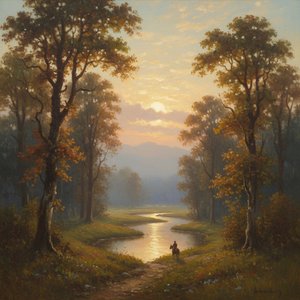
George Inness
Tehnika izrade
Veličina reprodukcije
-


Ukupna cijena
$ 300
Biografija umjetnika
Franklin C. Courter: Pioneer of Arctic Landscape Painting
Franklin C. Courter (1854 – 1947) stands as a singular figure in American landscape painting, particularly renowned for his immersive depictions of the Arctic wilderness and his masterful execution of tonalist techniques. Born in Grimsby, Lincolnshire, England, Courter’s artistic journey began with formal training at the Royal Academy in London before he emigrated to the United States in 1883, establishing himself as a resident of Indianapolis where he would spend the remainder of his life. His distinctive style—characterized by subdued colors, atmospheric haze, and an unwavering commitment to capturing the essence of natural light—earned him considerable acclaim during his lifetime and continues to inspire admiration among art historians today.- Early Influences: Courter’s formative years were profoundly shaped by the Impressionist movement in Paris, where he encountered luminists like George Inness and Claude Monet. These encounters instilled within him a fascination for capturing fleeting moments of beauty and conveying emotion through subtle tonal variations—a cornerstone of his artistic approach.
- The Arctic Expeditions: Courter’s most celebrated achievements stemmed from his participation in several expeditions to explore the Arctic Circle. Notably, he accompanied Robert Peary's 1898 expedition to North Pole, documenting the desolate landscapes and capturing the arduous realities faced by explorers. His paintings from these voyages—particularly “Lincoln and His Son, Tad”—offer unparalleled insight into the psychological impact of extreme environments on human perception.
- Notable Works: Among Courter’s impressive oeuvre are “Landscape near Sparta, New Jersey,” a serene portrayal of rural New Jersey bathed in autumnal hues; and numerous smaller canvases depicting scenes from Yosemite National Park. These works exemplify his ability to distill complex natural phenomena into evocative compositions that resonate with viewers.
- Legacy: Franklin C. Courter’s contribution to American landscape painting is undeniable. His pioneering use of tonalist techniques—coupled with his unflinching documentation of Arctic expeditions—established him as a visionary artist who captured the sublime beauty and psychological depth of the natural world. Today, reproductions of his paintings are treasured by collectors worldwide, ensuring that his artistic legacy persists for generations to come.
Influence and Artistic Style
Courter’s stylistic choices were deeply rooted in the tonalist movement, which emerged in the late 1880s as a reaction against Impressionism's emphasis on optical color perception. Tonalists sought to depict landscapes with an unwavering fidelity to observed light and shadow—a pursuit that demanded patience, meticulous observation, and a profound understanding of atmospheric effects. Courter’s canvases often eschewed vibrant hues in favor of muted browns, greens, and grays, prioritizing tonal harmonies over chromatic brilliance.- Symbolism: Courter's paintings frequently incorporated symbolic elements—such as solitary figures contemplating the grandeur of nature—to convey deeper meanings about human experience. These images served as meditations on themes of solitude, contemplation, and the relationship between humanity and the environment.
Museum Exhibitions and Recognition
Courter’s artwork gained considerable recognition during his lifetime through appearances in prestigious exhibitions across the United States. His paintings were showcased at the Pennsylvania Academy of Fine Arts, the Art Institute of Chicago, and numerous other institutions—solidifying his reputation as one of America's foremost landscape painters.
franklin c courter
1854 - 1947
Brzi pregled
- Artistic Movement Or Style: Tonalist
- Artists Or Movements Influenced By This Artist: ['American Impressionism']
- Artists Who Influenced This Artist: ['George Inness']
- Date Of Birth: 1854
- Date Of Death: 1947
- Full Name: Franklin C Courter
- Nationality: American
- Notable Artworks:
- Lincoln and His Son, Tad
- (Landscape near Sparta, New Jersey)
- George Inness
- Place Of Birth: Grimsby, Lincolnshire
Povezani članci

Oil on Canvas: A Historical & Technical Exploration of a Timeless Artistic Medium
Explore the rich history & enduring techniques of oil painting on canvas. Discover the science behind its longevity, conservation practices, and contemporary relevance. Expert insights for art enthusiasts.

Georges Seurat: 25 Remek-djela Pointilizma za Uljepšanje Vašeg Prostora | OriginalUniqueArt
Uronite u svijet Georges Seurata i njegovih 25 remek-djela pointilizma! Otkrijte priče iza ikonskih slika, tehniku chromoluminarizma i inspiraciju za vaš dom. Reprodukcije vrhunske kvalitete dostupne na OriginalUniqueArt.com.

Georges Braque: 25 Remek-djela Kubizma i Modernog Umjetnosti za Vaš Dom
Uronite u svijet Georges Braquea! Otkrijte 25 remek-djela kubizma i moderne umjetnosti. Saznajte priče iza slika, tehnike i inspiraciju ovog francuskog slikara. Kupite reprodukcije vrhunske kvalitete za vaš dom na OriginalUniqueArt.com
George Inness: Transcendental Landscapes & the American Search for Spiritual Harmony
Explore the profound landscapes of George Inness, a leading American artist-philosopher. Discover his spiritual approach to painting, influences, and lasting legacy with OriginalUniqueArt.

The Enduring Legacy of Oil on Canvas: Technique, History & Aesthetic Impact
Explore the rich history & techniques of oil painting – from Renaissance masters to Impressionism. Discover pigments, layering methods, and why this timeless medium endures. Expert insights for artists & art enthusiasts.