
 Pregledaj u stvarnoj veličini
 Podijeli
 Podijeli
 Detalji
 Vodič
Vodič

 Preuzmi datoteku
 Slični predmeti
 Rentgenska snimka
 Slide show
 Statistika
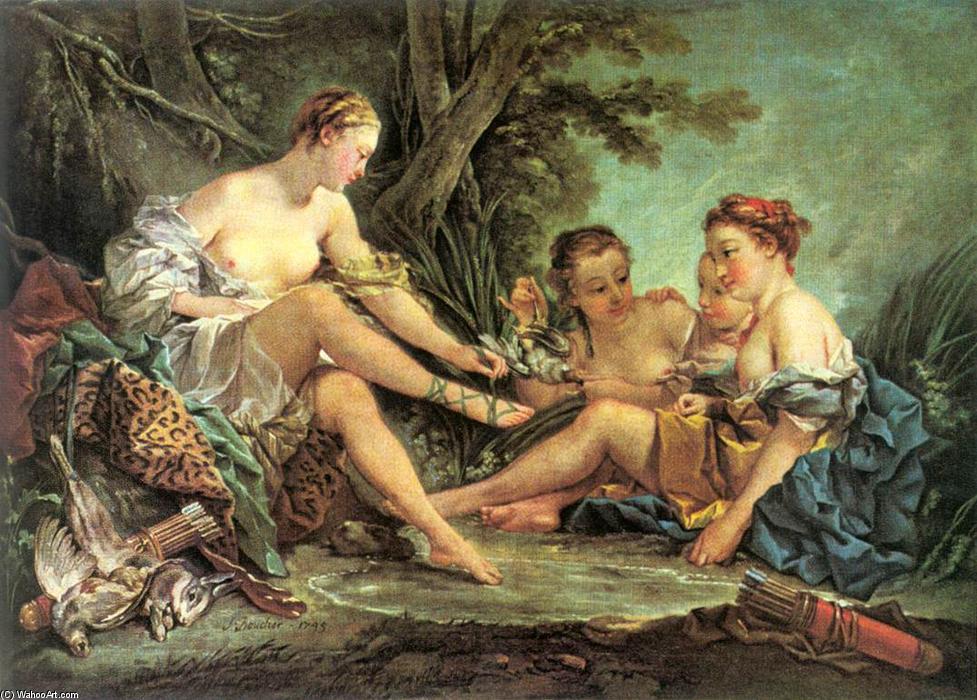
Diana after the Hunt
 Oil On Canvas
- WallArt
- Rococo Style
 37.0 x 52.0 cm
 Musée Cognacq-Jay
 Pročitajte više
Giclée / Umjetnički otisak
Giclée tisak muzejske kvalitete ili otisak na platnu uz brzu proizvodnju i fleksibilne opcije završne obrade. ( Naručite ručno oslikano reprodukciju Prebacite na digitalnu prodaju slika)




P118B €10

P118H €10

P118W €10

P438Z €10

P508JH €12

P508YH €12

P805H €10

P805Z €10

P919BZ €10

P919G €10

P919XJ €10

P959ZH €10

P968JZ €12

W106C €8

W218G €10

W218JH €8

W218Y €10

W307PJ €10

W316G €10

W316PJ €8

W316Y €10

W398PJ €8

W4111J €10

W500HY €15

W500JH €15

W692G €12

W849H €8

W940BG €15

W953PJ €8




Odaberite jednu od naših unaprijed definiranih veličina koje odgovaraju izvornim proporcijama umjetničkog djela.

Unesite širinu i visinu koja vam je potrebna, kako bi odgovarali vašem okviru ili zidu. Print se može samo izrezati, nikada ne može biti veći od slike, stoga veličina s drugačijim oblikom gubi dio slike. Šaljemo vam digitalni prikaz (mockup) na odobrenje prije bilo kakve štampe. Slika prikazana na ovoj stranici ne prikazuje stvarni rez — to čini samo digitalni prikaz.
Dostava širom svijeta () u roku od 2 tjedna umjesto standardnih 4/5 tjedana. (23 Listopad)

Besplatna ekspresna dostava širom svijeta

Visokokvalitetno laneno platno

Potpuno osiguranje transporta

Jamstvo povrata carine i uvoznih poreza

Jamstvo vjernosti boja

Politika povrata u roku od 100 dana (samo u slučaju nedostataka)

Jamstvo povrata 100% novca

Popust na više proizvoda
 Opcija stakla dostupna je samo za dimenzije manje od 110 cm

Diana after the Hunt
Giclée / Umjetnički otisak
Veličina reprodukcije
-


Ukupna cijena
€ 70
A Moment of Grace and Renewal: Exploring François Boucher’s “Diana After the Hunt”
François Boucher's "Diana After the Hunt," painted around 1745 and currently residing in the Musée Cognacq-Jay in Paris, is more than just a depiction of a woodland scene; it’s a shimmering embodiment of Rococo elegance, sensual grace, and the very spirit of the era. This oil on canvas work invites us into a world of delicate beauty, where the goddess Diana, mistress of the hunt, shares a tranquil moment with her companions after a day spent pursuing prey. Boucher masterfully captures not just the visual splendor but also an underlying sense of serenity and shared pleasure – a rare stillness within the vibrant dynamism of his style.
The painting immediately draws the eye to its foreground: three elegantly posed women seated upon the ground, engaged in conversation or perhaps simply enjoying the restorative effects of their day. Each figure is rendered with exquisite detail, showcasing Boucher’s remarkable skill in capturing texture and form. The woman on the left, adorned in a light blue garment embellished with delicate white flowers, exudes an air of quiet contemplation. Her counterpart in yellow and red embodies playful vivacity, while the third, clad in dark blue with gold accents, projects an aura of sophisticated reserve. These carefully chosen colors contribute significantly to the painting’s overall harmony and visual richness.
The Language of Rococo: Style, Technique, and Symbolism
“Diana After the Hunt” is a quintessential example of the Rococo style – a movement characterized by its emphasis on lightness, ornamentation, and sensuality. Boucher's brushwork is remarkably fluid and loose, creating an atmosphere of airy grace. He employs a technique known as *sfumato*, subtly blurring outlines and softening edges to achieve a dreamlike quality. The background landscape—a verdant forest punctuated by a meandering stream—is painted with meticulous attention to detail, yet retains a sense of idealized beauty. Notice the dappled sunlight filtering through the trees, adding depth and luminosity to the scene.
Symbolism plays a crucial role in understanding the painting’s deeper meaning. Diana, as the Roman goddess of the hunt, represents not just skill and prowess but also independence, fertility, and the wildness of nature. Her companions are often interpreted as nymphs or young women, symbolizing beauty, innocence, and the pleasures of leisure. The hunting implements scattered on the ground—arrows, bows, and quivers—serve as a reminder of Diana’s role as a hunter, yet they are presented in a context that prioritizes rest and companionship over active pursuit. The presence of water further reinforces this theme of renewal and tranquility.
A Window into 18th-Century France: Context and Legacy
To fully appreciate “Diana After the Hunt,” it’s essential to consider its historical context. Painted during the reign of Louis XV, the work reflects the opulent tastes and refined sensibilities of the French court. Boucher was a favored artist of Madame de Pompadour, the influential mistress of the king, who championed his talent and helped elevate him to prominence. His paintings were highly sought after by wealthy patrons and adorned the interiors of grand palaces throughout France.
Boucher’s influence on subsequent generations of artists is undeniable. He established a new standard for decorative painting, blending classical mythology with contemporary themes and embracing a distinctly sensual style. Works like “Diana After the Hunt” continue to captivate viewers today, offering a glimpse into a world of beauty, grace, and timeless elegance. Reproductions by OriginalUniqueArt.com allow you to bring this masterpiece into your own space, experiencing its charm and sophistication firsthand.
- Artist: François Boucher (1703-1770)
- Date: Unknown (circa 1745)
- Location: Musée Cognacq-Jay, Paris, France
- Medium: Oil on Canvas
Pitanja i odgovori
Kakvu orijentaciju ima "Diana after the Hunt" autora François Boucher?
"Diana after the Hunt" autora François Boucher je kompozicija u Landscape formatu. Razmjer je vrijedno provjeriti prije odabira veličine printa.
Kako mogu otkriti umjetnička djela slična djelu "Diana after the Hunt" autora François Boucher?
Djela slična djelu "Diana after the Hunt" navedena su na stranici Slična djela tog umjetničkog djela.
Jesu li boje djela "Diana after the Hunt" autora François Boucher zasićene ili prigušene?
"Diana after the Hunt" autora François Boucher je zabilježeno s Balanced Soft zasićenjem.
Biografija umjetnika
François Boucher: Život u Rococu
François Boucher (1703.-1770.) bio je ključna figura francuske umjetnosti 18. stoljeća, poznat kao jedan od najslavnijih slikara razdoblja Rokokoa. Njegovo djelo utjelovljuje eleganciju, senzualnost i razigran duh koji su definirali ovaj utjecajan stil. Rođen u Parizu, Boucher je ostavio neizbrisiv trag na povijesti umjetnosti svojim inovativnim pristupom temi, tehničkom vještinom i sposobnošću da uhvati ljepotu i užitak života.
Rani Život i Obrazovanje
François Boucher se rodio 29. rujna 1703. godine u Parizu, u obitelji slikara. Njegov otac, Jean Boucher, bio mu je prvi učitelj i uveo ga je u svijet umjetnosti. Već s sedamnaest godina, njegov talent privukao je pažnju Françoisa Lemoyne, koji ga je primio kao učenika na kratko, ali značajno vrijeme. Nastavio je usavršavati svoje vještine kod gravure Jean-François Carsa prije nego što je postigao važan uspjeh: osvojio je prestižnu nagradu Grand Prix de Rome 1720. godine. Ova nagrada otvorila mu je vrata za studij u Rimu, što se pokazalo ključnim za njegov umjetnički razvoj.
Uspon do Slavnog Statusa i Umjetnički Razvoj
Boravak u Italiji, nakon pobjede na Grand Prixu, bio je formativan za Bouchera. Vratio se u Francusku i 1731. godine primljen je u Académie Royale de Peinture et Sculpture. Njegovo *morceau de réception*, “Rinaldo i Armida” (1734.), odmah ga je uspostavilo kao majstora Rokoko stila. U tom razdoblju se potpuno izrazila njegova umjetnička vizija, karakterizirana nježnim potezima kista, pastelnom paletom boja i naglaskom na mitološke i pastoralne teme. Njegova djela su odražavala atmosferu francuskog dvora, prožete elegancijom i profinjenošću.
Ključna Djela i Teme
Boucherovo bogato stvaralaštvo obuhvaća mitologiju, portrete, scene iz svakodnevnog života i dekorativnu umjetnost. Neka od njegovih najpoznatijih djela uključuju: “Doručak” (1739.), šarmantna slika koja prikazuje intimni trenutak u obiteljskom životu s njegovom suprugom i djecom; seriju slika “Trijumf Venere” (1740.-1751.), koja pokazuje Boucherovu virtuoznost u prikazu mitoloških priča; brojne portrete Madame de Pompadour, utjecajne ljubavnice kralja Louisa XV., čime je učvrstio svoj položaj na dvoru. Također su značajni i njegovi krajolici poput “Zalazak sunca”, koji odražavaju liričan i idiličan pogled na prirodu.
U Boucherovim djelima se ponavljaju teme ljubavi, ljepote, slobodnog vremena i idealiziranog svijeta mitologije. Njegove slike često evociraju osjećaj razigrane erotike i profinjene elegancije. Bio je majstor u stvaranju atmosfere snova i uživanja, što ga je učinilo omiljenim slikarom aristokracije.
Utjecaj i Nasljeđe
Boucherov utjecaj protezao se daleko izvan slikarstva. Dizajnirao je kostime i scenografiju za kazalište, stvarao tapiserije za radionice Beauvais i surađivao s Gobelins Manufactory. Njegovo imenovanje za *Premier Peintre du Roi* 1765. godine učvrstilo je njegov status kao vodećeg umjetnika francuskog Rokokoa. Iako su ga kasniji kritičari optuživali za površnost, Boucherov utjecaj na sljedeće generacije umjetnika je neosporan. Inspirirao je umjetnike poput Jean-Honoré Fragonarda i doprinio razvoju Neoklasicizma kroz svoje učenike.
François Boucherovo djelo pruža dragocjen uvid u ukuse i vrijednosti francuskog društva 18. stoljeća. Njegove slike odražavaju aristokratsku kulturu te ere, karakteriziranu luksuzom, profinjenošću i težnjom za užitkom. Ostaje značajna figura u povijesti umjetnosti, slavljena zbog svoje tehničke vještine, umjetničke inovacije i trajne prisutnosti Rokoko stila.

François Boucher
1703 - 1770 , Francuska
Brzi pregled
- Datum Rođenja: 29 rujna 1703.
- Datum Smrti: 1770.
- Državljanstvo: Francuz
- Mjesto Rođenja: Pariz, Francuska
- Njegov Utjecaj: ['Jean-Honoré Fragonard']
- Puno Ime: François Boucher
- Umjetnički Pokret: Rokoko
- Utjecali Su Na Njega:
- François Lemoyne
- Jean-François Cars
- Značajna Djela:
- Rinaldo i Armida
- Doručak
- Portreti Pompadour
Povezani članci
The Rococo Style: Aristocratic Leisure & the Pursuit of Delight in 18th-Century Art
Explore the opulent world of Rococo art! Discover Watteau, Boucher & Nattier's masterpieces. Expert insights for collectors seeking museum-quality reproductions and custom portraits at OriginalUniqueArt.

The Allure of Elegance in Art: A Historical & Aesthetic Exploration of Refinement & Grace
Explore the exquisite world of Rococo art! Discover its history, masters (Watteau, Boucher & more), and defining elegance. Expert insights for collectors seeking museum-quality reproductions & custom portraits.

The Rococo Aesthetic: Opulence, Rebellion & the Pursuit of Pleasure in 18th-Century Art
Explore the opulent world of Rococo art! Discover its origins, key artists like Watteau & Boucher, and lasting influence on design. Expert insights for collectors & enthusiasts.

Roko Bela: 10 Remek Dela Ko Su Oblikovala Umjetnički Pokret
Otkrijte 10 remek djela koja su definirala rokokoznu umjetnost! Uronite u svijet baroka i elegancije, upoznajte poznate slikare i otkrijte tajne rococo boja. Inspirirajte se za svoj dom uz OriginalUniqueArt.com - ekskluzivne reprodukcije i kurirane ideje za dekoraciju.
François Boucher: Rococo Master of Myth, Sensuality, and the French Court
Explore the captivating world of François Boucher, master of Rococo painting! Discover his iconic works, aristocratic patronage, and lasting influence on French art history. Learn more at OriginalUniqueArt.