
 Pregledaj u realnoj veličini
 Pošalji
 Podijeli
 Detalji o umjetničkom djelu
 Vodič
Vodič

 Preuzmi umjetničko djelo
 Slični predmeti
 Rentgenska snimka
 Slide show
 Q&A
Q&A Statistika
The Penitent St Jerome

- 47.0 x 34.0 cm


 Prikaži više
Giclée / Umjetnički otisak
Giclée tisak muzejske kvalitete ili otisak na platnu uz brzu izradu i raznolike opcije završne obrade. ( Kupi ručno oslikano djelo Prebacite na digitalnu sliku)




P118B €10

P118H €10

P118W €10

P438Z €10

P508JH €12

P508YH €12

P805H €10

P805Z €10

P919BZ €10

P919G €10

P919XJ €10

P959ZH €10

P968JZ €12

W106C €8

W218G €10

W218JH €8

W218Y €10

W307PJ €10

W316G €10

W316PJ €8

W316Y €10

W398PJ €8

W4111J €10

W500HY €15

W500JH €15

W692G €12

W849H €8

W940BG €15

W953PJ €8




Odaberite jednu od naših unaprijed definiranih veličina koje odgovaraju izvornim proporcijama umjetničkog djela.

Unesite potrebnu širinu i visinu kako bi odgovarali vašem okviru ili zidu. Print se može samo izrezati, nikada ne može biti veći od slike, stoga format s drugačijim omjerom stranica uzrokuje gubitak dijela slike. Prije bilo kakve štampe šaljemo vam digitalni prikaz (mockup) na odobrenje. Slika prikazana na ovoj stranici ne prikazuje stvarni rez — to prikazuje isključivo digitalni prikaz.
Dostava širom svijeta () u roku od 2 tjedna umjesto standardnih 4/5 tjedana. (2 Studeni)

Besplatna ekspresna dostava širom svijeta

Visokokvalitetno laneno platno

Potpuno osiguranje dostave

Jamstvo povrata carine i uvoznih poreza

Jamstvo vjernosti boja

Politika povrata u roku od 100 dana (samo u slučaju nedostataka)

Jamstvo povrata 100% novca

Popust na više proizvoda
 Opcija stakla dostupna je samo za dimenzije manje od 110 cm

The Penitent St Jerome
Giclée / Umjetnički otisak
Veličina reprodukcije
-


Ukupna cijena
€ 71
The Penitent St Jerome: A Renaissance Echo of Spiritual Struggle
Filippino Lippi’s “The Penitent St Jerome,” painted in 1485, is more than just a depiction of a biblical figure; it's a profound meditation on faith, remorse, and the arduous path to redemption. The painting immediately draws the viewer into a world of stark contrasts – the cool, shadowed depths of the cave against the warm glow emanating from the central figure, the rough texture of the stone juxtaposed with the delicate folds of his robe. It’s a scene steeped in emotional intensity, rendered with the meticulous detail and psychological insight characteristic of the Florentine Renaissance.
Lippi masterfully employs perspective to create an immersive experience. The viewer is positioned as if observing St Jerome from a slightly elevated vantage point, peering into the darkness of his refuge. The receding cityscape in the background—a hazy, almost dreamlike vision of Florence—suggests both earthly constraints and the promise of spiritual transcendence. This architectural backdrop isn’t merely decorative; it subtly reinforces the theme of isolation and the struggle between the material world and divine grace.
A Masterclass in Renaissance Technique
The painting is executed primarily in oil on panel, a medium that allowed Lippi to achieve an extraordinary level of realism and luminosity. Note the subtle gradations of color – the deep blues and purples of the shadows, the earthy browns and ochres of the stone, and the rich crimson of the saint’s robe. Lippi's brushwork is remarkably controlled, yet imbued with a sense of movement and dynamism. The texture of the rock face is rendered with astonishing accuracy, inviting the viewer to almost feel its rough surface beneath their fingertips. This attention to detail extends to the folds of the fabric, which appear both weighty and fluid, conveying the saint’s physical suffering.
The pyramidal composition—a hallmark of Renaissance art—anchors the scene and directs the eye towards St Jerome. The figure dominates the center, radiating a quiet intensity that speaks volumes about his inner turmoil. The use of chiaroscuro – the dramatic interplay of light and shadow – further emphasizes this sense of drama and psychological depth. Lippi doesn’t simply depict a saint; he captures the very essence of his struggle.
Symbolism and Spiritual Resonance
“The Penitent St Jerome” is rich in symbolic meaning. The cave itself represents both physical isolation and spiritual retreat, a place where the saint can confront his past sins and seek forgiveness. The stone he uses to beat his chest is a potent symbol of self-flagellation – a practice associated with penance and repentance. The small lion, traditionally an attribute of St Jerome, is barely visible in the background, perhaps suggesting the fading power of earthly dominion and the triumph of spiritual authority.
The presence of the crucifix—a subtle but crucial element—underscores the central theme of redemption through sacrifice. St Jerome’s posture – hunched over, his face etched with sorrow – conveys a profound sense of humility and devotion. The painting isn't merely about suffering; it’s about transformation, about the possibility of finding solace and grace amidst pain and regret.
A Timeless Meditation on Faith
“The Penitent St Jerome” remains a powerfully evocative work of art, offering viewers a glimpse into the complexities of faith, repentance, and the human condition. It’s a testament to Lippi's artistic skill and his profound understanding of the spiritual themes he explored. Reproductions of this masterpiece capture not only its visual beauty but also the emotional weight and timeless resonance of its message – a reminder that even in our darkest moments, redemption is always within reach.
Pitanja i odgovori
Kolika je intenzitet boja u djelu "The Penitent St Jerome" autora Filippino Lippi?
Intenzitet boja djela "The Penitent St Jerome" je Monochromatic. Intenzitet opisuje koliko se boje čine snažnima.
Mogu li vidjeti "The Penitent St Jerome" autora Filippino Lippi pod različitim svjetlima?
X-ray prikaz djela "The Penitent St Jerome" autora Filippino Lippi možete pronaći na stranici Rentgenska snimka: to je interaktivno istraživanje slike kroz jedanaest optičkih slojeva.
Kakvo je opće raspoloženje djela "The Penitent St Jerome" autora Filippino Lippi?
"The Penitent St Jerome" odiše Dramatic atmosferom.
Biografija umjetnika
Rani život i obrazovanje Filippina Lippija
Filippino Lippi, rođen u Pratu, Italiji, u travnju 1457. godine, bio je sin Fra Filippa Lippija, istaknutog renesansnog slikara. Njegovo djetinjstvo obavijeno je okolnostima izvanbračnog podrijetla, no to ga nije spriječilo da usvoji umjetnički poziv svog oca. Rano obrazovanje i trening u radionici Fra Filippa Lippija bili su temelj za njegov budući uspjeh. Otac mu je prenio tehničke vještine, osjećaj kompozicije i ljubav prema detaljima koji će postati karakteristični elementi njegova stila. Nakon očeve smrti 1469. godine, Filippino je nastavio usavršavati svoje vještine pod mentorstvom drugih umjetnika, šireći svoj repertoar i razvijajući vlastiti prepoznatljiv izraz.Umjetnička karijera i razvoj
Filippinova umjetnička karijera može se podijeliti na nekoliko faza. U ranom razdoblju (1475.-1480.) njegove su rane radove, poput Madona, pokazivale manje profinjeni stil, često pripisivane anonimnom umjetniku poznatom kao "prijatelj Sandra". Tijekom evolucijskog perioda (1480.-1485.), razvio je osobniji i učinkovitiji pristup, što se očituje u njegovom djelu *Putovanja Tobije*. Vrhunac njegove umjetničke zrelosti (1485.-1504.) obilježava majstorstvo stila Visokog Renesansa, demonstrirano kroz djelo *Otkrivenje Krista Djevici Mariji*. Filippino je bio iznimno svestran umjetnik koji se isticao u različitim tehnikama i žanrovima, od fresaka do oltarskih slika.Glavna djela i suradnje
Filippino Lippi aktivno je sudjelovao u važnim umjetničkim projektima svog vremena. Surađivao je s Peruginom, Ghirlandaioom i Botticellijem na freskama u vili Lorenza de' Medicija, što svjedoči o njegovom visokom statusu i priznanju među vodećim umjetnicima Firence. Jedan od najznačajnijih pothvata bio je dovršetak nedovršenog ukrašavanja Brancaccijeve kapele zajedno s Masolinom, nastavljajući rad započet od strane Masaccia. Njegova istaknuta djela uključuju *Krunjenje Djevice Marije*, *Tobija i anđeo*, *Sveti Jeronim* i *Prikaz iz života svetog Tome Akvinskog*. Ova djela pokazuju njegovu sposobnost kombiniranja dramatičnosti, elegancije i dubokog religioznog osjećaja.Utjecaji i umjetnički stil
Na Filippinov stil snažno su utjecali Sandro Botticelli i njegov otac Fra Filippo Lippi. U svojim ranim radovima očituje se utjecaj očeva toplih boja, detaljnih figura i osjećaja intimnosti. Kasnije je u svoje stvaralaštvo inkorporirao elemente Botticellijeve gracioznosti i linijske elegancije. Karakteristični elementi njegova stila uključuju animiranu formu i liniju, tople kolorističke nijanse, detaljne krajolike, ekspresivne figure te kombinaciju perspektivne geometrije s intimnim interijerima. Tijekom boravka u Rimu proučavao je rimske antikvitete, što se odrazilo na njegov rad kroz uvođenje antičkog vokabulara i motiva.Povijesna važnost i nasljeđe
Filippino Lippi bio je vodeći firentinski predstavnik tradicije velikih ciklusa fresaka, ostavljajući neizbrisiv trag na umjetnosti Visokog Renesansa. Njegov utjecaj na generacije umjetnika je nesporan. Djela su mu izložena u muzejima diljem svijeta, uključujući Galeriju Uffizi u Firenci. Poznat je po povezivanju ranijih renesansnih stilova s estetikom Visokog Renesansa, čime je postavio temelje za daljnji razvoj umjetnosti tog razdoblja. Njegova sposobnost kombiniranja tehničke virtuoznosti, dramatičnog izraza i duboke religioznosti učinila ga je jednim od najvažnijih umjetnika svoje epohe.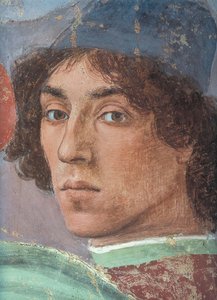
Filippino Lippi
1457 - 1504 , Italija
Osnovne informacije
- Datum Rođenja: Travanj 1457.
- Datum Smrti: Travanj 1504.
- Državljanstvo: Talijan
- Mjesto Rođenja: Prato, Italija
- Puno Ime: Filippino Lippi
- Umjetnici Pod Utjecajem: ['Raffaellino del Garbo']
- Umjetnički Pokret: Visoki renesans
- Utjecaji Umjetnika:
- Fra Filippo Lippi
- Sandro Botticelli
- Značajna Djela:
- Krunjenje Djevice Marije
- Putovanje Tobije
- Sv. Jeronim
Srodni članci

Filippino Lippi: Renaissance Innovation Bridging Faith & Humanism
Explore the captivating world of Filippino Lippi, a Renaissance master bridging faith & humanism through innovative art. Discover his key works, influences, and lasting legacy with OriginalUniqueArt.

Oil on Canvas: A Historical & Technical Exploration of a Timeless Artistic Medium
Explore the rich history & enduring techniques of oil painting on canvas. Discover the science behind its longevity, conservation practices, and contemporary relevance. Expert insights for art enthusiasts.

The Enduring Power of Painting: A Historical & Contemporary Exploration of Form and Emotion
Explore the rich history & enduring techniques of oil painting with OriginalUniqueArt. Discover masterpieces, learn about art collecting, and find authentic handmade reproductions crafted by skilled artists.
Filippo Lippi: Bridging Renaissance Devotion & Artistic Innovation
Explore the life & revolutionary art of Filippo Lippi, a pivotal Renaissance painter. Discover his masterpieces, influence on Botticelli, and investment potential. Expert analysis at OriginalUniqueArt.

The Enduring Legacy of Oil on Canvas: Technique, History & Aesthetic Impact
Explore the rich history & techniques of oil painting – from Renaissance masters to Impressionism. Discover pigments, layering methods, and why this timeless medium endures. Expert insights for artists & art enthusiasts.