

 Pregledaj u stvarnoj veličini
 Podijeli
 Podijeli
 Detalji
 Vodič
Vodič

 Preuzmi datoteku
 Slični predmeti
 Rentgenska snimka
 Slide show
 Statistika
Dieppe, Pollet kliffs


 Pročitajte više
Giclée / Umjetnički otisak
Giclée tisak muzejske kvalitete ili otisak na platnu uz brzu proizvodnju i fleksibilne opcije završne obrade. ( Naručite ručno oslikano reprodukciju Prebacite na digitalnu prodaju slika)




P118B $10

P118H $10

P118W $10

P438Z $10

P508JH $12

P508YH $12

P805H $10

P805Z $10

P919BZ $10

P919G $10

P919XJ $10

P959ZH $10

P968JZ $12

W106C $8

W218G $10

W218JH $8

W218Y $10

W307PJ $10

W316G $10

W316PJ $8

W316Y $10

W398PJ $8

W4111J $10

W500HY $15

W500JH $15

W692G $12

W849H $8

W940BG $15

W953PJ $8




Odaberite jednu od naših unaprijed definiranih veličina koje odgovaraju izvornim proporcijama umjetničkog djela.

Možete unijeti vlastite dimenzije kako biste umjetničko djelo prilagodili specifičnom okviru ili prostoru. Ako odabrana veličina ne odgovara proporcijama izvornog rada, izrezat ćemo dio slike ili je proširiti pomoću ogledalnog efekta ili jednobojne rubne površine. Digitalni prikaz (mockup) bit će vam poslan na odobrenje prije početka proizvodnje.
Imajte na umu da pregled na zaslonu ne odražava stvarno izrezivanje ili proširivanje. Samo će mockup točno prikazati konačnu kompoziciju.
Iako su dostupne prilagođene veličine, preporučujemo odabir dimenzije iz unaprijed definirane liste kako biste očuvali izvorne proporcije.
Dostava širom svijeta () u roku od 2 tjedna umjesto standardnih 4/5 tjedana. (25 Rujan)

Besplatna ekspresna dostava širom svijeta

Visokokvalitetno laneno platno

Potpuno osiguranje transporta

Jamstvo povrata carine i uvoznih poreza

Jamstvo vjernosti boja

Politika povrata u roku od 100 dana (samo u slučaju nedostataka)

Jamstvo povrata 100% novca

Popust na više proizvoda
 Opcija stakla dostupna je samo za dimenzije manje od 110 cm

Dieppe, Pollet kliffs
Giclée / Umjetnički otisak
Veličina reprodukcije
-


Ukupna cijena
$ 80
Dieppe: A Coastal Symphony by Boudin
Eugène Louis Boudin’s “Dieppe, the Pollet Cliffs” transcends mere landscape painting; it embodies a pivotal moment in Impressionism and captures the very essence of Normandy's maritime spirit. Painted in 1892, this artwork isn’t simply depicting a seaside vista—it’s conveying an atmosphere brimming with life, movement, and the transformative power of light.
- Subject Matter: The canvas portrays Dieppe’s Pollet Cliffs, a dramatic coastline characterized by towering chalk formations plunging into the turbulent English Channel. Boudin meticulously renders the beach scene, populated by figures strolling along the shore and boats navigating the water – a quintessential depiction of coastal life.
- Style & Technique: Boudin championed plein air painting—working outdoors directly from observation—a revolutionary approach for its time. His brushstrokes are loose and expressive, prioritizing capturing fleeting impressions rather than striving for photographic realism. The artist skillfully utilizes broken color and layering to simulate the shimmering effect of sunlight reflecting off the water’s surface.
- Historical Context: Boudin's work emerged during a burgeoning artistic movement that challenged academic conventions. Impressionism sought to depict the subjective experience of seeing, prioritizing emotion and atmosphere over precise detail. “Dieppe” stands as testament to this shift towards capturing the immediacy of perception.
Symbolism Within Light and Texture
Beyond its visual beauty, “Dieppe” resonates with symbolic significance. The cliffs themselves represent permanence and resilience against the relentless forces of nature—a metaphor for human existence facing challenges. Boudin’s masterful manipulation of light is paramount; it isn't merely illuminating the scene but conveying a sense of tranquility amidst dynamism. Notice how the artist uses textured brushstrokes to evoke the roughness of the cliff face and the fluidity of the sea, enriching the viewer’s sensory experience.
Influence on Impressionist Art
Boudin's dedication to plein air painting profoundly impacted subsequent Impressionist artists like Claude Monet and Camille Pissarro. He established a precedent for prioritizing observation and capturing atmospheric conditions—a cornerstone of Impressionistic aesthetics. “Dieppe” exemplifies this approach, solidifying Boudin’s place as one of the movement’s founding fathers.
Emotional Impact & Reproduction Considerations
Viewing “Dieppe” evokes feelings of serenity, contemplation, and connection to the natural world. Its luminous palette and dynamic brushwork invite viewers into a moment frozen in time—a celebration of coastal beauty. When considering a reproduction, prioritize archival quality paper and pigment inks to faithfully preserve Boudin’s original vision, ensuring that its evocative atmosphere continues to inspire generations.
Biografija umjetnika
Early Life and Artistic Beginnings
Eugène Louis Boudin, born in July 12th, 1824 in Honfleur, France, possessed a destiny inextricably linked to the sea. His father, a harbor pilot, instilled within him an early appreciation for the ever-changing moods and captivating beauty of the maritime world. This formative influence would become the cornerstone of Boudin’s artistic vision. Rather than pursuing a traditional academic path, young Eugène began his working life aboard a steamboat traversing between Le Havre and Honfleur at the tender age of ten. It was during these voyages that he first felt compelled to capture the fleeting impressions of light and water with sketches in the margins of his books—the nascent stirrings of a lifelong passion. The family’s subsequent move to Le Havre, where his father established a shop for stationery and picture frames, further immersed Boudin in an artistic environment. He worked alongside his father, eventually opening his own small shop, which brought him into contact with local artists like Constant Troyon and Jean-François Millet, who encouraged his burgeoning talent. These early encounters proved pivotal, steering him away from commerce and towards a dedicated life of painting.Developing a Unique Style: Plein Air Painting and Influences
Boudin’s artistic development was profoundly shaped by several key influences. A crucial turning point came with his introduction to Johan Jongkind, a Dutch painter who championed the practice of en plein air—painting outdoors directly from nature. This revolutionary approach allowed Boudin to capture the ephemeral qualities of light and atmosphere with unprecedented immediacy. He embraced this technique wholeheartedly, becoming adept at rendering the subtle nuances of sky and sea. His style also drew inspiration from the 17th-century Dutch masters, whose meticulous attention to detail and atmospheric perspective resonated deeply with his own artistic sensibilities. Boudin’s pastels, characterized by their summary yet evocative brushwork, quickly garnered recognition. Critics like Charles Baudelaire lauded his ability to convey the essence of a scene with remarkable economy, while Camille Corot affectionately dubbed him “the king of the skies,” acknowledging his mastery of atmospheric effects. He was particularly drawn to the luminous landscapes of Jean-Baptiste-Camille Corot and Constant Troyon.Impressionism and Lasting Legacy
Though often categorized alongside the Impressionists, Boudin’s relationship with the movement was nuanced. He participated in the first Impressionist exhibition in 1874, showcasing his work alongside Claude Monet and other avant-garde artists. However, he never fully identified as an “Impressionist,” maintaining a more traditional approach to composition and technique. Nevertheless, his influence on the development of Impressionism was undeniable. Most notably, Boudin served as a mentor to a young Claude Monet, instilling in him a love for painting outdoors and encouraging him to abandon academic conventions in favor of capturing fleeting impressions of light and color. Monet himself credited Boudin with fundamentally shaping his artistic vision, stating that Boudin had “torn the veil from my eyes” and revealed the true potential of landscape painting. Throughout his career, Boudin received numerous accolades, including a third-place medal at the Paris Salon in 1881 and a gold medal at the 1889 Exposition Universelle. In 1892, he was knighted into the Légion d’honneur—a testament to his enduring contribution to French art.Major Works and Artistic Themes
Boudin's oeuvre is characterized by a deep connection to the sea and coastal landscapes of Normandy. Still Life with Lobster on a White Tablecloth, now housed at the High Museum of Art in Atlanta, exemplifies his somber yet noble approach to still life painting, imbued with a sense of quiet contemplation. His beach scenes, populated with figures enjoying leisurely pursuits, capture the vibrancy and vitality of seaside life. Honfleur, the Saint Catherine Market Place, showcases his skill at depicting bustling urban environments bathed in natural light. Throughout his work, Boudin consistently explored themes of transience, atmosphere, and the interplay between humanity and nature. He possessed an exceptional ability to convey the subtle shifts in weather and light, creating paintings that evoke a powerful sense of place and mood. His dedication to capturing these fleeting moments solidified his reputation as a master of atmospheric perspective and a pioneer of plein air painting. ##Final Years and Enduring Influence In his later years, Boudin continued to travel extensively, seeking inspiration in Belgium, the Netherlands, and southern France. He also made several visits to Venice, captivated by its unique light and architectural beauty. Despite facing health challenges, he remained remarkably productive, consistently exhibiting his work and mentoring younger artists. Eugène Louis Boudin passed away in August 8th, 1898 at Deauville, overlooking the English Channel that had so profoundly shaped his life and art. His legacy extends far beyond his own paintings; the Eugène Boudin Prize, awarded by the Société Nationale des Beaux-Arts, stands as a lasting tribute to his enduring influence on generations of artists. Today, his works are celebrated in museums worldwide, including the Musée d’Orsay in Paris, which houses several of his most iconic paintings, such as Landscape with Sunset. Boudin's remarkable career serves as a testament to the power of observation, the beauty of nature, and the enduring allure of the sea.
Eugène Louis Boudin
1824 - 1898 , Francuska
Brzi pregled
- Artistic Movement Or Style: Impressionizam
- Artists Or Movements Influenced By This Artist: ['Claude Monet']
- Artists Who Influenced This Artist:
- Johan Jongkind
- Jean-François Millet
- Date Of Birth: 12. srpnja 1824.
- Date Of Death: 8. августа 1898.
- Full Name: Eugène Louis Boudin
- Nationality: Francuz
- Notable Artworks:
- Životinje na morskoj površini
- Zapad sunca
- Place Of Birth: Honfleur, Francuska
Povezani članci
Capturing Ephemeral Light: A Comprehensive Exploration of Plein Air Painting's History & Enduring Legacy
Explore the rich history of plein air painting, from its origins to Impressionism & beyond. Discover key artists, techniques, and the enduring legacy of capturing light in landscape art. Find museum-quality reproductions at OriginalUniqueArt.
Capturing Ephemeral Light: Plein Air Painting from Impressionism to Today
Explore the history of plein air painting, from its origins with the Barbizon school to Impressionism's revolution & contemporary practice. Discover techniques, artists like Monet & Renoir, and find museum-quality reproductions at OriginalUniqueArt.
Eugène Boudin: Capturing Fleeting Moments – A Study of Light, Atmosphere & the Birth of Impressionism
Explore the life & art of Eugène Boudin, a pioneer of plein air painting and key influence on Impressionism. Discover his masterful light studies & atmospheric seascapes – a foundational figure in modern art history.
The Allure of Open Airs: Exploring Representations of Outdoors in Art History
Explore the rich history of outdoor painting! From Romantic landscapes to Impressionism's revolution, discover key artists, techniques & the enduring legacy of capturing light and nature in art. Learn more at OriginalUniqueArt.
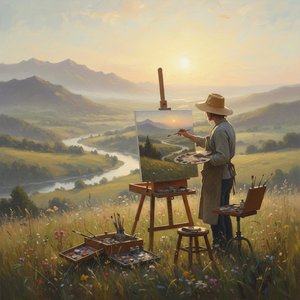
Capturing Ephemeral Light: A Comprehensive Exploration of Plein Air Painting's History & Enduring Legacy
Explore the rich history of plein air painting, from its origins with Constable & Corot to Impressionism's revolution. Discover techniques, key artists, and the enduring legacy of capturing light outdoors. Learn more at OriginalUniqueArt.


