
 Pregledaj u realnoj veličini
 Pošalji
 Podijeli
 Detalji o umjetničkom djelu
 Vodič
Vodič

 Preuzmi umjetničko djelo
 Slični predmeti
 Rentgenska snimka
 Slide show
 Pitanja i odgovori
 Statistika
Vairumati


 Prikaži više
Giclée / Umjetnički otisak
Giclée tisak muzejske kvalitete ili otisak na platnu uz brzu izradu i raznolike opcije završne obrade. ( Kupi ručno oslikano djelo Prebacite na digitalnu sliku)




P118B €10

P118H €10

P118W €10

P438Z €10

P508JH €12

P508YH €12

P805H €10

P805Z €10

P919BZ €10

P919G €10

P919XJ €10

P959ZH €10

P968JZ €12

W106C €8

W218G €10

W218JH €8

W218Y €10

W307PJ €10

W316G €10

W316PJ €8

W316Y €10

W398PJ €8

W4111J €10

W500HY €15

W500JH €15

W692G €12

W849H €8

W940BG €15

W953PJ €8




Odaberite jednu od naših unaprijed definiranih veličina koje odgovaraju izvornim proporcijama umjetničkog djela.

Unesite potrebnu širinu i visinu kako bi odgovarali vašem okviru ili zidu. Print se može samo izrezati, nikada ne može biti veći od slike, stoga format s drugačijim omjerom stranica uzrokuje gubitak dijela slike. Prije bilo kakve štampe šaljemo vam digitalni prikaz (mockup) na odobrenje. Slika prikazana na ovoj stranici ne prikazuje stvarni rez — to prikazuje isključivo digitalni prikaz.
Dostava širom svijeta () u roku od 2 tjedna umjesto standardnih 4/5 tjedana. (5 Studeni)

Besplatna ekspresna dostava širom svijeta

Visokokvalitetno laneno platno

Potpuno osiguranje dostave

Jamstvo povrata carine i uvoznih poreza

Jamstvo vjernosti boja

Politika povrata u roku od 100 dana (samo u slučaju nedostataka)

Jamstvo povrata 100% novca

Popust na više proizvoda
 Opcija stakla dostupna je samo za dimenzije manje od 110 cm

Vairumati
Giclée / Umjetnički otisak
Veličina reprodukcije
-


Ukupna cijena
€ 72
The Enigmatic Beauty of Vairumati
Paul Gauguin’s Vairumati, a vibrant tableau painted in 1892 tijekom njegovih transformativnih godina u Tahiti, je mnogo više od jednostavnog portreta. To je opuštanje u srce polinezijske kulture, snažna kombinacija zemljane senzualnosti i duhovne simbolike, te dokaz Gauguinovog revolucionarnog pristupa boji i obliku. Iako je prvo smješten u prestižni Musée d’Orsay u Parizu, ova slika odmah osvaja svojim audijanskim paletom i zadivljujućim pojavom središnjeg lika – žene sjedeće elegantno na stolici, njeno dojče otkrivanje, ipak izražava nezadovoljstvo dostojanstvom i privućem.
Scena se otvara protiv pozadine oslabljene slike likova, neki također ukrašeni stanjem odjenutih u stanje nespuštenosti, stvarajući osjećaj zajedničke intimnosti u ovom egzotičnom mjestu. Značajna pojedinost – mala ptica sjedeća delikatno na stolici – dodaje sloj harmonijske juxtaposicije, sugerišavši vezu između ljudske forme i prirode, ponovno motiv koji se pojavljuje kroz Gauguinove tahitske radove. Ova namjerna rasprava nije samo dekorativna; govori umjetnikov duboki fascinaciju međusobnošću života, što odražava njegov željbu za uhvatiti esenciju polinezijske duhovnosti vizualnom predstavom.
A Post-Impressionist Revolution: Color and Form
Gauguinov stil u Vairumati čvrsto potvrđuje svoj položaj kao ključna figura unutar pokreta Post-Impressionizam. Odustajući od prolaznih efekata svjetlosti koje su favorita impresionistički prethodnici, Gauguin je prihvatio jarke boje – cerulean plavo, vatreno narančasto i duboko zelen – kako bi izrazio emociju i simbolsku vrijednost umjesto samo dokumentiranja stvarnosti. Njegova tehnika karakterizira se “Sintetizam”, ciljno ravnati oblikove i naglašavanje snažnih grafičkih linija, odlazeći od tradicionalne iluzionističke metode akademskog slikarstva. Ovo pojednostavljenje omogućava fokusiranje na osnovne kvalitete svojih tema, što daje život njihovoj surovoj energiji.
Utjecaj Sintetizma posebno je vidljiv u kompoziciji slike; likovi nisu pažljivo prikazani već su sugerirani blokovima boja i pojednostavljenim oblicima. Ovaj pristup, kombiniran s Gauguinovom uporabom tempera na platnu – sredstvo poznato po svojoj živnoj nijansi i brzoj suhoći vremena – doprinosi slikinoj trenutnom učinku i trajnosti privućem. To je namjerna odluka od strane površina i delikatnih poteza četke koje su karakteristične za ranije europsku umjetnost.
Echoes of Polynesia: Myth, Ritual, and Identity
Vairumati je neodvojeno povezana s Gauguinovom istraživanjem polinezijske kulture tijekom vremena provedenog u Tahiti. Naziv slike, “Vairumati tei oa,” prevedeno znači „Njezino ime je Vairaumati,“ referenciju na lik iz tahitske mitologije – boginju povezanih plodnosti i početka ljudske vrste. Ova poveznica daje sliku simbolsku vrijednost, podižući ju iznad jednostavnog prikazivanja žene u predstavljanje polinezijske duhovnosti i ancestralne baštine.
Gauguinov prikaz odjenutosti u Vairumati nije namijenjeno otvoreno seksualnoj aktivnosti već služi kao snažan simbol veze s Zemljom i prirodom. Odražava njegovu vjerovanje da se odbijanjem konvencija zapadne kulture može postići autentičniji razumijevanje polinezijske životinje. Slika također može biti interpretirana kao istraživanje identiteta – Gauguinovu vlastitu potragu za pripadnošću među kulturama koje su vrlo različite od njegove rodne Francuske.
A Legacy of Boldness and Innovation
Vairumati je temelj Gauginove tahitske epizode, vrijeme kada je revolucionarno mijenja granice umjetnosti. Njegova hrabra eksperimentiranja s bojom, oblikom i subjektivnom materijom otvorila je put budućim generacijama umjetnika – uključujući Picassa i Matissea – i nastavlja inspirirati suvremene kreativce danas. Slika ostaje nezaboravno zbog svoje vizualne ljepote kao i dubokog istraživanja kulturnog izmjena, duhovnosti i ljudske kondicije. Za sve koji žele postići fizičku vezu s ovom iznimnom djelom umjetnosti OriginalUniqueArt ponovno proizvodi ulja koja vjerno prijaju živosti i emocionalnoj dubini Gauguinove vizije. Isprobajte čar Vairumati i opustite se u očarati svijet Paula Gauguina.
Pitanja i odgovori
Koliko je "Vairumati" u cijelosti svijetlo?
U pogledu percepcije svjetline, "Vairumati" autora Eugène Henri Paul Gauguin je zasjenjenost.
S obzirom na svoje boje, za koju se prostoriju preporučuje "Vairumati" autora Eugène Henri Paul Gauguin?
S obzirom na svoje Tamni tonovi tonove, predlaže se da "Vairumati" bude u Dnevni boravak.
Gdje mogu vidjeti pregled za "Vairumati"?
Kako biste pregledali reprodukciju djela "Vairumati" autora Eugène Henri Paul Gauguin, otvorite stranicu Pregled u prostoru tog umjetničkog djela.
Biografija umjetnika
Eugène Henri Paul Gauguin: Master of Color|Artist Biography
Eugène Henri Paul Gauguin, a name that resonates with vibrant color and rebellious spirit, stands as a pivotal figure in the transition from Impressionism to modern art. Born in Paris in 1848, his life was anything but conventional. His early years were shaped by an unusual upbringing; his father a journalist, and his mother descended from Peruvian aristocracy—her grandmother, Flora Tristan, a pioneering feminist and socialist writer whose ideals undoubtedly resonated within the family. This heritage would profoundly shape Gauguin’s artistic vision, instilling in him a fascination with cultures beyond Europe. A formative period spent in Peru as a child, following his family's relocation in 1850, immersed him in a world vastly different from Parisian society, an experience that lingered and ultimately fueled his quest for authenticity in art. Returning to France after his father’s death, Gauguin received a formal education but found himself drawn not to academia, but to the burgeoning financial world, embarking on a career as a stockbroker—a path seemingly at odds with the artistic destiny that awaited him.Early Influences and Artistic Beginnings
Initially captivated by Impressionism – particularly the works of Monet, Pissarro, and Renoir – Gauguin experimented with color and light in his spare time, attempting to capture the fleeting beauty of everyday life. However, he quickly recognized the limitations of Impressionistic technique, perceiving it as too concerned with optical observation and insufficiently expressive of inner emotion. The financial crisis of 1882 proved a decisive turning point, forcing him to abandon his lucrative career and wholeheartedly dedicate himself to painting—a decision that would fundamentally alter the trajectory of his artistic life. This wasn’t merely a change in profession; it was a profound reimagining of his worldview. Influenced by the writings of Friedrich Nietzsche and Henri Bergson, Gauguin sought guidance from Camille Pissarro, who encouraged him to develop his own distinctive style—one rooted not in imitation but in personal experience. Recognizing the influence of Cézanne’s geometric simplification and Raphael's harmonious compositions, he began to refine his technique, moving away from Impressionistic brushstrokes toward a more deliberate and controlled approach.Brittany and the Symbolist Movement
Before embarking on his transformative journey to Tahiti, Gauguin spent time in Brittany—the region of France where he was born—captivated by its rugged landscapes and deeply rooted traditions. During this period, he produced paintings that reflected both Impressionistic sensibilities and emerging Symbolist ideas. He explored themes of spirituality and mythology, depicting Breton peasants and rural scenes with a sensitivity to color and form that foreshadowed his later stylistic innovations. Gauguin’s artistic explorations were further enriched by his engagement with Japanese prints—Japonisme—which exerted a powerful influence on his visual vocabulary. The flattened perspectives, bold outlines, and decorative patterns characteristic of Japanese art captivated him, prompting him to adopt similar techniques in his own paintings. This fascination with “primitive” cultures – fueled by readings of Edgar Allan Poe and Gustave Flaubert – would ultimately propel him toward Tahiti and the pursuit of a radically different artistic vision.Tahiti: A Quest for Authenticity
The decision to relocate permanently to Tahiti in 1891 represented a culmination of Gauguin’s lifelong quest for authenticity—a rejection of Western civilization and its perceived artificiality in favor of a simpler, more spiritually fulfilling existence. Seeking refuge from the pressures of Parisian society and artistic conventions, he envisioned Tahiti as a sanctuary where he could reconnect with his primal instincts and express himself freely. He immersed himself in Polynesian culture, documenting rituals, myths, and daily life through his paintings—a process that profoundly shaped his artistic style. Influenced by medieval art – particularly Byzantine iconography – Gauguin employed bold colors, flattened perspectives, and stylized figures to convey symbolic meanings rooted in religious tradition. Iconic canvases such as “Vahine no te miti” (Woman with Mango), “Manao Tupapau” (Watched by the Spirit of the Dead), and “The Vision After The Sermon” exemplify this distinctive aesthetic—a testament to Gauguin’s unwavering commitment to artistic innovation.Legacy and Influence
Paul Gauguin died in Atuana, Hiva Oa, Marquesas Islands, in 1903, leaving behind a legacy that continues to inspire artists and scholars alike. His groundbreaking stylistic innovations – characterized by bold color palettes, simplified forms, and symbolic imagery – irrevocably altered the course of modern art, paving the way for movements such as Fauvism and Expressionism. Artists like Pablo Picasso, Henri Matisse, Edvard Munch, and Vincent van Gogh acknowledged Gauguin’s profound influence on their own creative endeavors—a recognition of his enduring contribution to the artistic canon. His unwavering belief in the transformative power of art – coupled with his courageous rejection of societal norms – cemented his place as a visionary artist who dared to challenge conventions and forge his own path, leaving behind a body of work that remains both captivating and enigmatic. Gauguin’s exploration of themes of spirituality, myth, and primal instinct continues to resonate with audiences today, ensuring that his artistic legacy will endure for generations to come.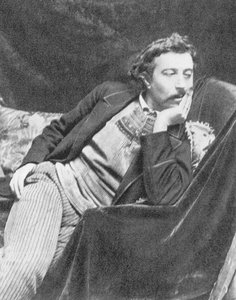
Eugène Henri Paul Gauguin
1848 - 1903 , Francuska
Osnovne informacije
- Artistic Movement Or Style: Postimpresionizam, Simbolizam
- Artists Or Movements Influenced By This Artist:
- Pablo Picasso
- Henri Matisse
- Artists Who Influenced This Artist: ['Camille Pissarro']
- Date Of Birth: 1848.
- Date Of Death: 1903.
- Full Name: Eugène Henri Paul Gauguin
- Nationality: Francuski
- Notable Artworks:
- Clearing
- Vahine no te miti
- Manao Tupapau
- Little Breton Shepherd
- Place Of Birth: Pariz, Francuska
Srodni članci
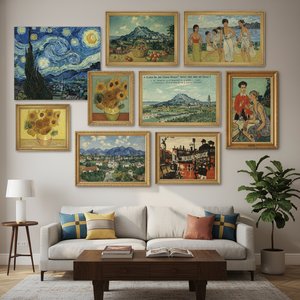
Postimpresionizma: 10 Remek-djela Koja Su Definirala Umjetnički Pokret
Otkrijte 10 remek-djela postimpresionizma – Van Gogh, Cezanne i drugi! Uronite u priče iza ovih ikoničnih djela. Inspirirajte se za dekoraciju interijera s vrhunskim reprodukcijama na OriginalUniqueArt.com. Istražite cijelu kolekciju online!

Paul Klee: 25 Remek-djela Švicarskog Majstora za Uljepšavanje Vašeg Doma
Uronite u svijet Paula Kleea! Otkrijte 25 remek-djela švicarskog umjetnika, od apstraktnih ekspresionizama do živopisnih boja i jedinstvenih stilova. Inspirirajte se za dekoraciju interijera s OriginalUniqueArt.com - pronađite reprodukcije vrhunske kvalitete i uljepšajte svoj dom!

Paul Cézanne: 25 Remek-djela koji su promijenili svijet umjetnosti | OriginalUniqueArt
Uronite u svijet Paula Cézanna! Otkrijte 25 remek-djela impresionizma i postimpresionizma. Saznajte priče iza slika, tehnike i inspiracije ovog francuskog umjetnika. Reprodukcije vrhunske kvalitete dostupne na OriginalUniqueArt.com
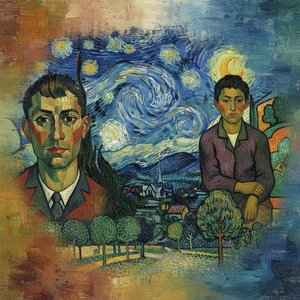
Beyond Impressionism: Exploring Emotional Depth & Formal Innovation in Post-Impressionist Art
Explore the profound emotional depth & formal innovations of Post-Impressionism with our expert guide. Discover Cézanne, Van Gogh, Gauguin & more. Learn about art history, collecting, and investing in this pivotal movement.
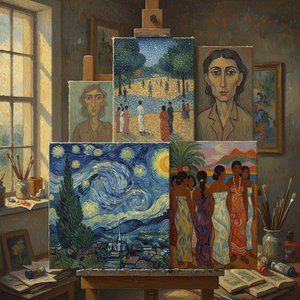
Beyond Impressionism: Exploring the Emotional Depth of Post-Impressionist Painting
Explore the profound emotional depth & innovative techniques of Post-Impressionism with OriginalUniqueArt. Discover Cézanne, Van Gogh, Gauguin & more – and their lasting impact on modern art.


