

 Pregledaj u stvarnoj veličini
 Pošalji
 Podijeli
 Detalji o umjetničkom djelu

 Preuzmi
 Slični predmeti
 Rentgenska snimka
 Automatska prezentacija
 Statistika
Le Racou


 Prikaži više
Ručno rađena uljana reprodukcija
Ručno oslikano uljanim bojama na platnu u dimenzijama i okviru po vašem izboru, izrađeno po narudžbi od strane naših umjetnika. ( Prebacite na print Prebacite na digitalnu sliku)




































Odaberite jednu od naših unaprijed definiranih veličina koje odgovaraju izvornim proporcijama umjetničkog djela.

Možete unijeti vlastite dimenzije kako bi odgovarale određenom okviru ili prostoru. Ako odabrana veličina ne odgovara proporcijama izvorne slike, izrezat ćemo umjetničko djelo ili proširiti sliku dodatnim ručno oslikanim elementima. Digitalni nacrt bit će vam poslan na odobrenje prije početka proizvodnje.
Imajte na umu da pregled na ekranu ne prikazuje stvarno izrezivanje ili proširivanje. Samo će nacrt točno prikazati konačni sastav.
Iako su dostupne prilagođene veličine, preporučujemo odabir dimenzije s preddefiniranog popisa kako bismo očuvali izvorne proporcije.
Nakon narudžbe, tim OriginalUniqueArt.com kontaktirat će klijenta putem e-pošte radi dobivanja uputa te dostaviti probni prikaz (mockup).
Isporuka širom svijeta () u roku od 3-4 tjedna umjesto standardnih 5 tjedana. (11 Rujan). Bez kompromisa u kvaliteti.

Besplatna ekspresna dostava širom svijeta

Visokokvalitetno laneno platno

Potpuno osiguranje dostave

Jamstvo povrata carine i uvoznih poreza

Garancija vjernog podudaranja boja

Politika povrata u roku od 100 dana (samo u slučaju nedostataka)

Jamstvo povrata 100% novca

Popust na više proizvoda
 Opcija stakla dostupna je samo za dimenzije manje od 110 cm

Le Racou
Tehnika reprodukcije
Veličina reprodukcije
-


Ukupna cijena
$ 300
Biografija umjetnika
Étienne Terrus: A Pioneer of Fauvist Landscape Painting
Étienne Joseph Mathieu Terrus (1857 – 1922) stands as a significant figure in the burgeoning landscape painting movement of early 20th-century France, particularly recognized as one of the formative influences on Fauvism. Born in Elne, Pyrénées-Orientales, Terrus’s artistic journey began with formal studies in Paris but swiftly returned him to his native region where he established himself as a prolific artist and cultivated enduring friendships with fellow luminaries like George Daniel de Monfreid, André Derain, and Henri Matisse—relationships that profoundly shaped his creative vision.- Early Life & Education: Terrus’s formative years were marked by an upbringing steeped in the traditions of Roussillon, a region celebrated for its vibrant pigments and dramatic landscapes. Despite pursuing academic training in Paris, he consistently prioritized capturing the essence of his homeland through painting.
- Style & Technique: Terrus's distinctive style is characterized by bold brushstrokes, expressive color palettes—often dominated by intense reds, yellows, and blues—and a deliberate rejection of traditional tonal shading. He embraced Impressionistic principles while simultaneously forging a path toward Fauvist experimentation, prioritizing emotional impact over meticulous realism.
- Notable Works: Among Terrus’s most celebrated paintings are “La Plage d’Argelès” (1907), depicting the coastal scenery of Argeles-sur-Mer with remarkable luminosity and dynamism, and “Le Racou” (1908), a panoramic vista capturing the rugged beauty of the Pyrenees mountains. These canvases exemplify his masterful ability to convey atmosphere and emotion through color and texture.
- Connections & Collaborations: Terrus’s correspondence with Matisse proved invaluable in shaping his artistic sensibilities, fostering intellectual exchange and inspiring mutual encouragement. Their shared passion for landscape painting cemented their position as pivotal figures within the avant-garde movement.
The Influence of Impressionism and Fauvism
Terrus's artistic development was undeniably shaped by the prevailing currents of Impressionism, which championed capturing fleeting moments of light and color—a departure from academic conventions that prioritized detailed representation. However, Terrus transcended mere imitation, pushing beyond Impressionistic boundaries into the realm of Fauvism. This movement, spearheaded by Matisse and Derain, advocated for unrestrained artistic expression through vibrant hues and simplified forms, prioritizing emotional intensity over objective observation. Terrus’s embrace of Fauvist techniques—particularly his bold use of color—demonstrated a willingness to challenge established norms and forge new paths in landscape painting.Recognition & Legacy
Terrus's work gained considerable acclaim during his lifetime, securing him a respected place within the artistic community of Paris and Roussillon. The Musée Terrus in Elne serves as a testament to his enduring legacy, showcasing a comprehensive collection of his paintings—a remarkable achievement considering the relatively limited scope of his oeuvre. Furthermore, the discovery that over half of his artworks were fraudulent underscored the importance of meticulous provenance research and highlighted the challenges faced by art historians attempting to reconstruct Terrus’s artistic history. Despite this setback, Terrus's contribution to landscape painting remains undeniable, securing him a prominent position in the annals of modern art.Further Exploration
For deeper insights into Étienne Terrus’s life and work, consult scholarly publications exploring his stylistic innovations and contextualizing his contributions within the broader artistic landscape of early 20th-century France. Examining biographical accounts alongside critical analyses offers a nuanced understanding of Terrus's artistic journey and lasting impact on Fauvist aesthetics.
étienne terrus
1857 - 1922
Osnovne informacije
- Artistic Movement Or Style: Fauvism Precursor
- Artists Or Movements Influenced By This Artist:
- Barbizon
- Impressionism
- Artists Who Influenced This Artist:
- George Daniel de Monfreid
- André Derain
- Henri Matisse
- Date Of Birth: September 22, 1857
- Full Name: Étienne Joseph Mathieu Terrus
- Nationality: French
- Notable Artworks:
- Le Racou
- La plage d’Argelès
- Place Of Birth: Elne, Pyrénées-Orientales
Srodni članci

Evocations of Place: A Historical Journey Through Landscape Art
Explore the rich history of landscape art with OriginalUniqueArt. Discover renowned artists, movements like Impressionism & Romanticism, and expert guidance for collecting timeless pieces. Find your perfect serene escape today!
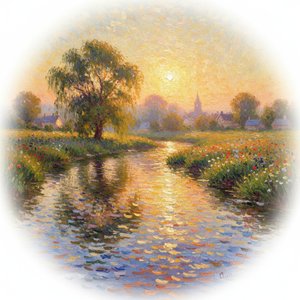
Capturing Light: A Masterclass in the Ethereal Beauty of Impressionistic Landscapes
Explore the ethereal beauty of Impressionist landscapes. Discover how masters like Monet captured fleeting light through color and texture, and learn to curate these timeless, luminous masterpieces for your home collection.

Impressionistic Landscapes: 10 Masterpieces That Changed Art & Decor
Journey into the heart of Impressionism! Explore 10 masterpieces by Monet, Renoir & Degas that revolutionized landscape art. Discover their stories, techniques & find museum-quality reproductions to elevate your home decor on OriginalUniqueArt.com.

Top 10 Impresionističkih Krajolika: Majstorski Otisci U Umjetnosti i Dekoraciji
Otkrijte 10 remek-djela impresionizma koja su definirala krajolik! Uronite u svijet Moneta, Renoira i Pissarra. Inspirirajte se umjetnošću i pronađite savršenu reprodukciju za svoj interijer na OriginalUniqueArt.com.
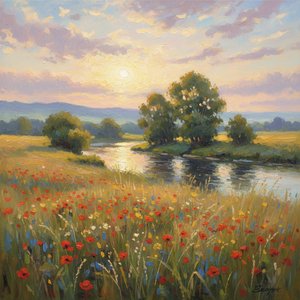
Capturing Fleeting Light: A Comprehensive Exploration of Impressionistic Landscape Painting
Explore the captivating world of Impressionistic landscape painting! Discover techniques, key artists like Monet & Renoir, and its lasting influence on art history. A comprehensive guide for enthusiasts.