
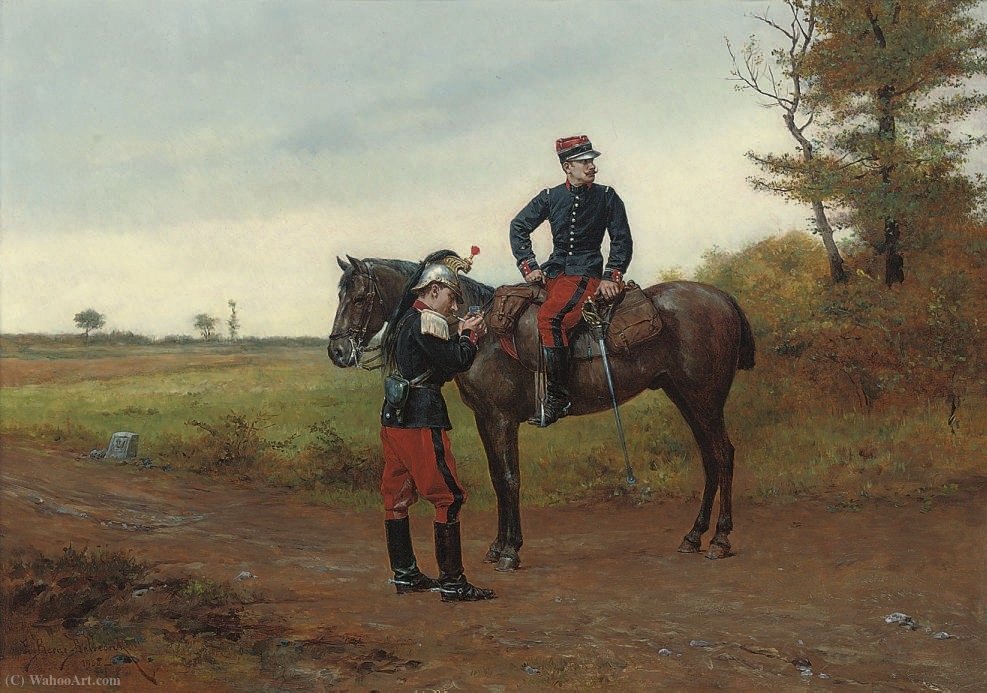
 Pregledaj u stvarnoj veličini
 Pošalji
 Podijeli
 Detalji o umjetničkom djelu

 Preuzmi
 Slični predmeti
 Rentgenska snimka
 Automatska prezentacija
Cigarette

 Prikaži više
Ručno rađena uljana reprodukcija
Ručno oslikano uljanim bojama na platnu u dimenzijama i okviru po vašem izboru, izrađeno po narudžbi od strane naših umjetnika. ( Kupi print Kupi digitalnu sliku)




P118B $10

P118H $10

P118W $10

P438Z $10

P508JH $12

P508YH $12

P805H $10

P805Z $10

P919BZ $10

P919G $10

P919XJ $10

P959ZH $10

P968JZ $12

W106C $8

W218G $10

W218JH $8

W218Y $10

W307PJ $10

W316G $10

W316PJ $8

W316Y $10

W398PJ $8

W4111J $10

W500HY $15

W500JH $15

W692G $12

W849H $8

W940BG $15

W953PJ $8




Odaberite jednu od naših unaprijed definiranih veličina koje odgovaraju izvornim proporcijama umjetničkog djela.

Možete unijeti vlastite dimenzije kako bi odgovarale određenom okviru ili prostoru. Ako odabrana veličina ne odgovara proporcijama izvorne slike, izrezat ćemo umjetničko djelo ili proširiti sliku dodatnim ručno oslikanim elementima. Digitalni nacrt bit će vam poslan na odobrenje prije početka proizvodnje.
Imajte na umu da pregled na ekranu ne prikazuje stvarno izrezivanje ili proširivanje. Samo će nacrt točno prikazati konačni sastav.
Iako su dostupne prilagođene veličine, preporučujemo odabir dimenzije s preddefiniranog popisa kako bismo očuvali izvorne proporcije.
Nakon narudžbe, tim OriginalUniqueArt.com kontaktirat će klijenta putem e-pošte radi dobivanja uputa te dostaviti probni prikaz (mockup).
Isporuka širom svijeta () u roku od 3-4 tjedna umjesto standardnih 5 tjedana. (14 Kolovoz). Bez kompromisa u kvaliteti.

Besplatna ekspresna dostava širom svijeta

Visokokvalitetno laneno platno

Potpuno osiguranje dostave

Jamstvo povrata carine i uvoznih poreza

Garancija vjernog podudaranja boja

Politika povrata u roku od 60 dana (samo u slučaju nedostataka)

Jamstvo povrata 100% novca

Popust na više proizvoda
 Opcija stakla dostupna je samo za dimenzije manje od 110 cm

Cigarette
Tehnika reprodukcije
Veličina reprodukcije
-


Ukupna cijena
$ 300
Biografija umjetnika
A Life Etched in Military Canvas: The World of Étienne-Prosper Berne-Bellecour
Born in the coastal town of Boulogne-sur-Mer, France, in 1838, Étienne-Prosper Berne-Bellecour embarked on an artistic journey that would ultimately capture the tumultuous spirit of 19th-century France. From his earliest days, a clear inclination towards art was evident, leading him to formal training under the esteemed François-Édouard Picot and Félix-Joseph Barrias. These masters instilled in him a solid foundation in traditional painting techniques, a discipline he would later blend with emerging artistic sensibilities. His ambition drove him to compete for the prestigious Prix de Rome in 1859 while simultaneously demonstrating an adaptable spirit by supporting his studies through photography – a testament to his resourcefulness and keen eye for visual detail. This early exposure to both established academic methods and the burgeoning field of photography would profoundly shape his artistic perspective, allowing him to approach painting with a unique blend of precision and observation. Even during these formative years, Berne-Bellecour displayed a diverse range of talents, collaborating with his brother-in-law, Jehan Georges Vibert, on a comedic play performed at the Palais Royal in 1862 – an unusual venture that hinted at a playful intellect alongside his artistic dedication.From Landscapes to the Echoes of War
Initially, Berne-Bellecour’s artistic focus mirrored the prevailing tastes of the time, centering on landscapes and portraits. He diligently exhibited his work at the Salons throughout the 1860s, gradually gaining recognition within the Parisian art scene. His photographic skills were also acknowledged with a prize at the Universal Exposition of 1867, further solidifying his reputation as a versatile artist. However, a pivotal moment arrived in 1868 when Vibert encouraged him to dedicate himself entirely to painting. This encouragement coincided with a period of significant upheaval – the outbreak of the Franco-Prussian War in 1870. Alongside Vibert, Alexander Louis Leloir, and Édouard Detaille, Berne-Bellecour embarked on a journey to Africa, an experience that broadened his artistic horizons before being abruptly curtailed by the conflict. Returning to France, he bravely served as a *francs-tireur* (irregular soldier), earning a medal for gallantry under fire – an experience that would irrevocably alter the course of his art. The horrors and realities witnessed during the war ignited within him a passion for depicting military life with unflinching honesty and emotional depth.Mastering the Art of Military Realism
The Franco-Prussian War profoundly impacted Berne-Bellecour’s artistic direction, leading him to specialize in military subjects. His paintings meticulously depict scenes of soldiers at rest, battles unfolding, and the stark realities of warfare with remarkable detail. He didn't merely portray the grandeur of conflict; he focused on the human element – the weariness, resilience, and quiet dignity of those caught within its grasp. This commitment to realism was skillfully blended with elements of Impressionism, allowing him to capture not only the accuracy of observation but also the emotional atmosphere of his subjects. He masterfully employed light and shadow to convey a sense of drama and immediacy, drawing viewers into the heart of the scene. Beyond painting, Berne-Bellecour further demonstrated his artistic range by practicing as a sculptor and etcher, showcasing his versatility across different mediums. In 1878, he was honored with the title of Chevalier in the French Legion of Honor, recognizing his significant contributions to the arts and solidifying his position within the Parisian art world.A Legacy Forged in History
Étienne-Prosper Berne-Bellecour’s work provides invaluable insights into the military history and social context of 19th-century France. His detailed depictions of soldiers and battle scenes offer a compelling visual record of this turbulent period, going beyond mere documentation to capture the psychological impact of war on individuals and society. He wasn't simply painting *what* happened; he was conveying *how it felt*. His son, Jean-Jacques Berne-Bellecour (1874–1939), followed in his father’s footsteps as a military painter, continuing the family legacy and ensuring that this unique artistic perspective endured. Étienne-Prosper Berne-Bellecour passed away on November 29, 1910, leaving behind a significant body of work that continues to be appreciated for its historical accuracy, artistic merit, and poignant portrayal of human experience amidst the chaos of war. His canvases serve as enduring reminders of a pivotal era in French history, offering a glimpse into the lives of those who lived through it.
etienne prosper berne bellecour
1838 - 1910 , France
Osnovne informacije
- Artistic Movement Or Style: Realism & Impressionism
- Artists Or Movements Influenced By This Artist: ['Jean-Jacques Berne-Bellecour']
- Artists Who Influenced This Artist:
- François-Édouard Picot
- Félix-Joseph Barrias
- Date Of Birth: June 29, 1838
- Date Of Death: November 29, 1910
- Full Name: Étienne-Prosper Berne-Bellecour
- Nationality: French
- Notable Artworks:
- Picket guards
- A dragon in front of a portal
- Soldier on a battlefield
- Place Of Birth: Boulogne-sur-Mer, France
Srodni članci
Roger de la Fresnaye: Cubism, Tradition & the Search for Order in Early 20th-Century French Painting
Explore the captivating world of Roger de la Fresnaye, a pivotal French Cubist painter. Discover his unique blend of tradition & modernity, influences, and lasting legacy with OriginalUniqueArt.
The Barbizon School: Pioneering Realism & the Pastoral Vision in 19th-Century French Painting
Explore the Barbizon School's pivotal role in 19th-century French painting. Discover how these artists revolutionized landscape art with their commitment to Realism and a profound connection to nature. Learn about key figures like Rousseau, Millet & Corot.

Pascal Dagnan-Bouveret: Bridging Realism & Symbolism in Late 19th-Century French Painting
Explore the captivating works of Pascal Dagnan-Bouveret, a leading French Naturalist painter bridging Realism & Symbolism. Discover his evocative scenes and innovative techniques – a journey into 19th-century art history.
Nicolas Poussin: Classicism, Allegory & Order in 17th-Century French Painting
Explore the life & work of Nicolas Poussin, a master of French Classicism. Discover his allegorical paintings, Roman influences, and enduring impact on art history. Expert analysis & insights.
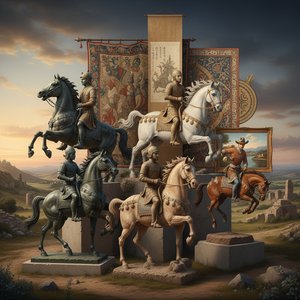
The Noble Steed: A Historical & Artistic Exploration of Equestrian Art Across Cultures
Explore the captivating history of equestrian art with OriginalUniqueArt. Discover masterpieces from Velázquez to Van Dyck & learn about collecting these timeless works. Expert insights for discerning connoisseurs.

