
 Pregledaj u stvarnoj veličini
 Podijeli
 Podijeli
 Detalji
 Vodič
Vodič

 Preuzmi datoteku
 Slični predmeti
 Rentgenska snimka
 Slide show
 Statistika
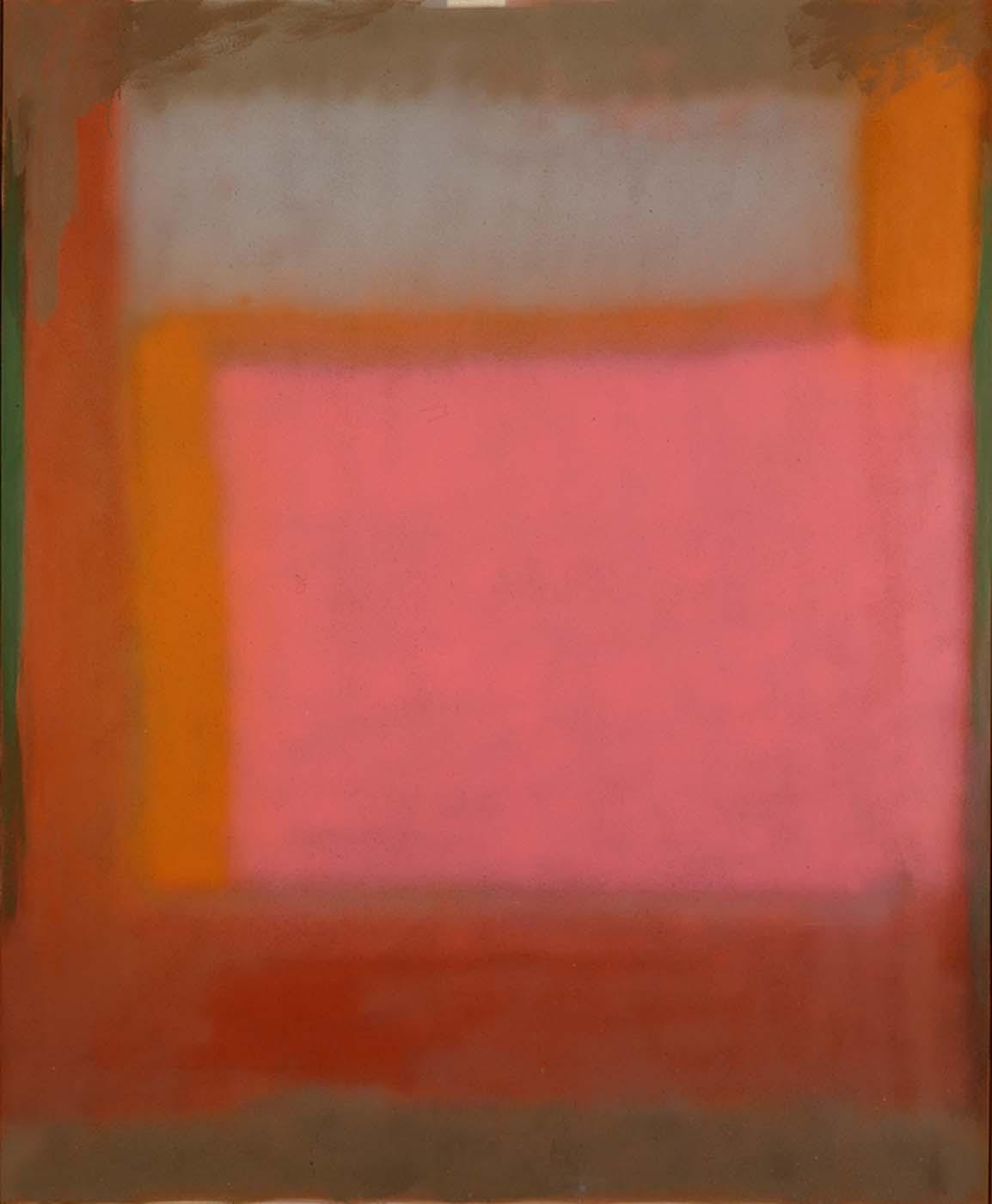
Spring
 1972
1972 173.0 x 143.0 cm
 Pročitajte više
Djelo prikazano na ovoj stranici zaštićeno je autorskim pravima, što znači da zakonski ne možemo izraditi niti prodati identičnu reprodukciju. Ova se zaštita provodi u skladu s međunarodnim sporazumima kao što su Bernska konvencija i nacionalnim zakonima, uključujući i one koji su utvrđeni u Američki zakon o autorskom pravu – Title 17.
Ova metoda u potpunosti je usklađena s autorskim pravima jer ne uključuje kopiranje ili dupliciranje zaštićenih umjetničkih djela. Umjesto toga, riječ je o kreativnoj reinterpretaciji – novoj slici koja je dobila utjecaj na izvornik, ali nije identična njemu.
Giclée / Umjetnički otisak
Giclée tisak muzejske kvalitete ili otisak na platnu uz brzu proizvodnju i fleksibilne opcije završne obrade. ( Naručite ručno oslikano reprodukciju Prebacite na digitalnu prodaju slika)




































Odaberite jednu od naših unaprijed definiranih veličina koje odgovaraju izvornim proporcijama umjetničkog djela.

Unesite širinu i visinu koja vam je potrebna, kako bi odgovarali vašem okviru ili zidu. Print se može samo izrezati, nikada ne može biti veći od slike, stoga veličina s drugačijim oblikom gubi dio slike. Šaljemo vam digitalni prikaz (mockup) na odobrenje prije bilo kakve štampe. Slika prikazana na ovoj stranici ne prikazuje stvarni rez — to čini samo digitalni prikaz.
Dostava širom svijeta () u roku od 2 tjedna umjesto standardnih 4/5 tjedana. (23 Listopad)

Besplatna ekspresna dostava širom svijeta

Visokokvalitetno laneno platno

Potpuno osiguranje transporta

Jamstvo povrata carine i uvoznih poreza

Jamstvo vjernosti boja

Politika povrata u roku od 100 dana (samo u slučaju nedostataka)

Jamstvo povrata 100% novca

Popust na više proizvoda
 Opcija stakla dostupna je samo za dimenzije manje od 110 cm

Spring
Giclée / Umjetnički otisak
Veličina reprodukcije
-


Ukupna cijena
€ 70
Biografija umjetnika
The Lyrical Soul of Abstract Expressionism
Esteban Vicente stands as a profound bridge between the classical traditions of Europe and the radical, transformative energy of the New York School. Born in 1903 in the quiet Spanish town of Turégano, his early life was shaped by a deep connection to the cultural richness of Spain. Under the guidance of his father, an amateur painter, Vicente’s formative years were spent wandering the halls of the Museo del Prado, where the masters of the past instilled in him a foundational respect for light, form, and composition. This classical training at the Real Academia de Bellas Artes de San Fernando provided the structural discipline that would later allow him to navigate the boundless realms of abstraction with unparalleled grace.
As the shadows of the Spanish Civil War loomed over his homeland, Vicente’s journey took a decisive turn toward New York City in 1936. This migration was more than a mere change of geography; it was an immersion into the epicenter of a burgeoning modernism. In the vibrant artist colonies of Manhattan, he found himself amidst a circle of luminaries including Jackson Pollock, Willem de Kooning, and Mark Rothko. Yet, while many of his contemporaries embraced the raw, spontaneous ferocity of Action Painting, Vicente carved out a distinctively meditative path. His work became a reflective counterpoint to the era's more aggressive gestures, focusing instead on a lyrical abstraction that sought to capture the intangible relationships within the natural world.
A Symphony of Color and Light
The true essence of Vicente’s mastery lies in his ability to manipulate color as if it were a living, breathing entity. Unlike the automatic, impulsive creation favored by some of his peers, Vicente approached his canvases with a painstaking, layered precision. He explored the delicate interplay between tonal harmonies and geometric forms, creating works that felt both expansive and deeply intimate. His technique often involved the careful layering of paint and even the inventive use of cut-and-torn paper in collages, resulting in textures that invite the viewer into a state of quiet contemplation.
His aesthetic evolution can be viewed through several key artistic pillars:
- Color Field Exploration: A profound focus on how hues interact to create depth and atmosphere without the need for representational subjects.
- Biomorphic Influence: A subtle nod to Surrealism, where organic, fluid shapes emerge from the abstract landscape.
- Meditative Composition: The use of light and form to evoke emotional responses, moving away from narrative toward pure sensation.
In his later years, particularly after establishing a refuge in Bridgehampton, Long Island, his work continued to refine this dialogue between the physical and the ethereal. Whether through oil on canvas or intricate paper works, Vicente’s art remained a testament to the power of chromatic resonance—the idea that color alone can communicate the complexities of human experience.
A Lasting Legacy in Modern Art
The historical significance of Esteban Vicente extends far beyond his individual canvases. He represents the successful synthesis of two worlds: the academic rigor of the Spanish tradition and the experimental freedom of American Post-War art. His career, spanning eight decades and two continents, serves as a vital link in the evolution of modernism, proving that abstraction could be both intellectually rigorous and deeply poetic.
Today, his legacy is preserved in some of the world's most prestigious institutions, ensuring that his quiet revolution of color continues to inspire. His works are held in permanent collections at:
- The Museum of Modern Art (MoMA), New York
- The Metropolitan Museum of Art, New York
- The Art Institute of Chicago
- The National Gallery of Art, Washington, D.C.
- The Bilbao Fine Arts Museum, Spain
Through his ability to find the universal in the abstract, Esteban Vicente remains a pivotal figure whose art does not merely demand to be seen, but invites the soul to linger within its luminous depths.

Esteban Vicente
1903 - 2001 , Spain
Brzi pregled
- Full Name: Esteban Vicente Pérez
- Nationality: Spanish American
- Date Of Birth: 1903
- Date Of Death: 2001
- Place Of Birth: Turégano, Spain
- Notable Artworks:
- Countryside
- Untitled, from the portfolio Peace Portfolio I
- Spring
- Artistic Movement Or Style: Abstract Expressionism
- Artists Or Movements Influenced By This Artist: ['New York School']
