

 Pregledaj u stvarnoj veličini
 Pošalji
 Podijeli
 Detalji o umjetničkom djelu

 Preuzmi
 Slični predmeti
 Rentgenska snimka
 Automatska prezentacija
 Statistika
Countryside - Esteban Vicente


 Prikaži više
Giclée / Umjetnički otisak
Giclée tisak muzejske kvalitete ili otisak na platnu uz brzu proizvodnju i fleksibilne opcije završne obrade. ( Kupi ručno naslikanu sliku Prebacite na digitalnu sliku)




P118B $10

P118H $10

P118W $10

P438Z $10

P508JH $12

P508YH $12

P805H $10

P805Z $10

P919BZ $10

P919G $10

P919XJ $10

P959ZH $10

P968JZ $12

W106C $8

W218G $10

W218JH $8

W218Y $10

W307PJ $10

W316G $10

W316PJ $8

W316Y $10

W398PJ $8

W4111J $10

W500HY $15

W500JH $15

W692G $12

W849H $8

W940BG $15

W953PJ $8




Odaberite jednu od naših unaprijed definiranih veličina koje odgovaraju izvornim proporcijama umjetničkog djela.

Možete unijeti vlastite dimenzije kako biste umjetničko djelo prilagodili specifičnom okviru ili prostoru. Ako odabrana veličina ne odgovara proporcijama izvornog rada, izrezat ćemo dio slike ili je proširiti pomoću ogledalnog efekta ili jednobojne rubne površine. Digitalni prikaz (mockup) bit će vam poslan na odobrenje prije početka proizvodnje.
Imajte na umu da pregled na zaslonu ne odražava stvarno izrezivanje ili proširivanje. Samo će mockup točno prikazati konačnu kompoziciju.
Iako su dostupne prilagođene veličine, preporučujemo odabir dimenzije iz unaprijed definirane liste kako biste očuvali izvorne proporcije.
Dostava širom svijeta () u roku od 2 tjedna umjesto standardnih 4/5 tjedana. (13 Rujan)

Besplatna ekspresna dostava širom svijeta

Visokokvalitetno laneno platno

Potpuno osiguranje dostave

Jamstvo povrata carine i uvoznih poreza

Garancija vjernog podudaranja boja

Politika povrata u roku od 100 dana (samo u slučaju nedostataka)

Jamstvo povrata 100% novca

Popust na više proizvoda
 Opcija stakla dostupna je samo za dimenzije manje od 110 cm

Countryside - Esteban Vicente
Giclée / Umjetnički otisak
Veličina reprodukcije
-


Ukupna cijena
$ 80
Esteban Vicente: Bridging Spanish Heritage and Abstract Expressionism
Esteban Vicente Pérez (January 20, 1903 – January 10, 2001) stands as a monumental figure in the annals of modern art, specifically enshrined within the vibrant tapestry of the New York School movement. Born amidst the burgeoning artistic fervor of Europe’s avant-garde era, Vicente's remarkable career culminated in establishing himself as one of its most distinctive voices – a painter who possessed an unparalleled ability to harmonize Iberian traditions with the audacious experimentation inherent in abstract expressionism. This singular fusion resulted in artworks that resonate with profound beauty and intellectual depth, captivating audiences across generations.A Synthesis of Tradition and Innovation
Vicente’s formative years instilled within him a steadfast appreciation for both visual arts and scholarly pursuits. His father, Toribio Vicente Ruiz, served as an army officer, imparting discipline and observational acuity – skills that would prove instrumental to his artistic development. Sofia Pérez y Álvarez, his mother, nurtured his sensitivity and fostered a connection to the landscapes of Asturias, shaping his worldview and enriching his creative vision. These influences profoundly impacted his artistic trajectory, propelling him toward explorations that transcended conventional boundaries.The Landscape as Canvas: “Countryside” – A Reflection of Iberian Soul
“Countryside,” Vicente’s celebrated painting from 1999, exemplifies this masterful blend of heritage and innovation. The artwork depicts a serene rural vista rendered in a bold palette dominated by verdant greens accented with golden hues. Large-scale canvas dimensions contribute to the grandeur of the scene, inviting contemplation and immersing viewers within its tranquil atmosphere. Vicente’s meticulous brushwork—characterized by visible strokes that convey texture and dynamism—underscores his commitment to capturing the essence of nature's splendor. The inclusion of a boat gliding across calm waters and two birds soaring aloft symbolizes harmony and aspiration, mirroring themes prevalent in Iberian artistic tradition.Vicente’s Place Within the New York School
Despite originating from Spain, Vicente’s artistic sensibilities were undeniably shaped by the influential currents circulating within the New York School. This movement championed spontaneous gesture and emotional intensity—approaches that challenged established conventions of representation. Vicente embraced these principles, channeling his inner vision onto canvas with unwavering conviction. His works bear testament to a willingness to experiment, pushing boundaries and redefining notions of artistic expression. He achieved recognition as one of the foremost figures in abstract expressionism, securing his legacy as an artist who dared to forge new paths while honoring the roots of his cultural heritage.Symbolic Resonance and Emotional Impact
The painting’s overarching mood is imbued with a palpable sense of peace and contemplation—a reflection of Vicente's profound engagement with philosophical ideas. The deliberate use of color—particularly the luminous greens and yellows—evokes feelings of vitality and optimism, inviting viewers to immerse themselves in its visual splendor. Furthermore, the depiction of birds symbolizes freedom and transcendence, elevating “Countryside” beyond mere landscape painting into a meditation on spiritual aspiration. Esteban Vicente’s masterpiece continues to inspire admiration for its artistic merit and emotional resonance, cementing his position as an enduring icon within the history of modern art.Biografija umjetnika
The Lyrical Soul of Abstract Expressionism
Esteban Vicente stands as a profound bridge between the classical traditions of Europe and the radical, transformative energy of the New York School. Born in 1903 in the quiet Spanish town of Turégano, his early life was shaped by a deep connection to the cultural richness of Spain. Under the guidance of his father, an amateur painter, Vicente’s formative years were spent wandering the halls of the Museo del Prado, where the masters of the past instilled in him a foundational respect for light, form, and composition. This classical training at the Real Academia de Bellas Artes de San Fernando provided the structural discipline that would later allow him to navigate the boundless realms of abstraction with unparalleled grace.
As the shadows of the Spanish Civil War loomed over his homeland, Vicente’s journey took a decisive turn toward New York City in 1936. This migration was more than a mere change of geography; it was an immersion into the epicenter of a burgeoning modernism. In the vibrant artist colonies of Manhattan, he found himself amidst a circle of luminaries including Jackson Pollock, Willem de Kooning, and Mark Rothko. Yet, while many of his contemporaries embraced the raw, spontaneous ferocity of Action Painting, Vicente carved out a distinctively meditative path. His work became a reflective counterpoint to the era's more aggressive gestures, focusing instead on a lyrical abstraction that sought to capture the intangible relationships within the natural world.
A Symphony of Color and Light
The true essence of Vicente’s mastery lies in his ability to manipulate color as if it were a living, breathing entity. Unlike the automatic, impulsive creation favored by some of his peers, Vicente approached his canvases with a painstaking, layered precision. He explored the delicate interplay between tonal harmonies and geometric forms, creating works that felt both expansive and deeply intimate. His technique often involved the careful layering of paint and even the inventive use of cut-and-torn paper in collages, resulting in textures that invite the viewer into a state of quiet contemplation.
His aesthetic evolution can be viewed through several key artistic pillars:
- Color Field Exploration: A profound focus on how hues interact to create depth and atmosphere without the need for representational subjects.
- Biomorphic Influence: A subtle nod to Surrealism, where organic, fluid shapes emerge from the abstract landscape.
- Meditative Composition: The use of light and form to evoke emotional responses, moving away from narrative toward pure sensation.
In his later years, particularly after establishing a refuge in Bridgehampton, Long Island, his work continued to refine this dialogue between the physical and the ethereal. Whether through oil on canvas or intricate paper works, Vicente’s art remained a testament to the power of chromatic resonance—the idea that color alone can communicate the complexities of human experience.
A Lasting Legacy in Modern Art
The historical significance of Esteban Vicente extends far beyond his individual canvases. He represents the successful synthesis of two worlds: the academic rigor of the Spanish tradition and the experimental freedom of American Post-War art. His career, spanning eight decades and two continents, serves as a vital link in the evolution of modernism, proving that abstraction could be both intellectually rigorous and deeply poetic.
Today, his legacy is preserved in some of the world's most prestigious institutions, ensuring that his quiet revolution of color continues to inspire. His works are held in permanent collections at:
- The Museum of Modern Art (MoMA), New York
- The Metropolitan Museum of Art, New York
- The Art Institute of Chicago
- The National Gallery of Art, Washington, D.C.
- The Bilbao Fine Arts Museum, Spain
Through his ability to find the universal in the abstract, Esteban Vicente remains a pivotal figure whose art does not merely demand to be seen, but invites the soul to linger within its luminous depths.

Esteban Vicente
1903 - 2001 , Spain
Osnovne informacije
- Artistic Movement Or Style: Abstract Expressionism
- Artists Or Movements Influenced By This Artist: ['New York School']
- Artists Who Influenced This Artist: ['']
- Date Of Birth: January 20, 1903
- Date Of Death: January 10, 2001
- Full Name: Esteban Vicente Pérez
- Nationality: Spanish American
- Notable Artworks:
- Countryside
- Untitled, from the portfolio Peace Portfolio I
- Spring
- Place Of Birth: Turégano, Spain
Srodni članci
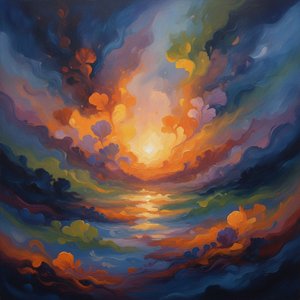
The Soul of Color: A Journey into the Emotional Resonance of Lyrical Abstraction
Embark on a cultural journey through Lyrical Abstraction. Explore how masters like Kandinsky used color and motion to translate emotion into visual poetry. Discover the profound beauty of abstract expressionism and learn to curate emotional resonance in your own art collection.
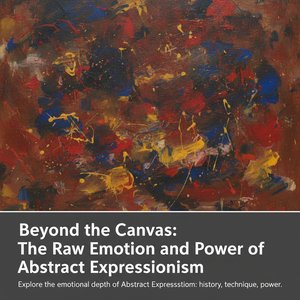
Beyond the Brush: The Raw Emotion and Power of Abstract Expressionism
Explore the profound emotional depth of Abstract Expressionism. From the visceral energy of Action Painting to the serene beauty of Color Field, discover the history and mastery behind this transformative movement for the discerning art collector.
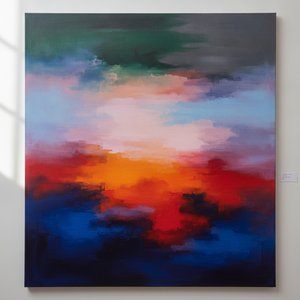
Color Field Painting: The Emotional Power of Pure Abstraction and Chromatic Depth
Explore the profound emotional depth of Color Field painting. Discover the history of mid-century abstraction, from Rothko to Newman, and learn how pure color transforms the viewer's experience through our expert art history guide.

Beyond Representation: Exploring the Emotional Landscape of Abstract Expressionism
Explore the profound emotional world of Abstract Expressionism with OriginalUniqueArt. Discover key artists like Pollock & Rothko, learn about collecting, and find museum-quality reproductions to inspire your space.

Desetak Remek-djela koja su Definirala Apstraktni Ekspresionizam: Uljane Slike i Moderna Dekoracija
Otkrijte 10 remek-djela koja su definirala apstraktni ekspresionizam! Jackson Pollock, Mark Rothko i drugi majstori uljane umjetnosti. Ispričajte priču svojim zidovima uz OriginalUniqueArt - vrhunske reprodukcije za vaš dom.
