

 Pregledaj u realnoj veličini
 Pošalji
 Podijeli
 Detalji o umjetničkom djelu
 Vodič
Vodič

 Preuzmi umjetničko djelo
 Slični predmeti
 Rentgenska snimka
 Slide show
 Q&A
Q&A Statistika
Most u Wiesenu
 Akril na platnu
- Zidna umjetnost
- German Expressionism
 1926
1926 120.0 x 120.0 cm
 Prikaži više
Giclée / Umjetnički otisak
Giclée tisak muzejske kvalitete ili otisak na platnu uz brzu izradu i raznolike opcije završne obrade. ( Kupi ručno oslikano djelo Prebacite na digitalnu sliku)




P118B €10

P118H €10

P118W €10

P438Z €10

P508JH €12

P508YH €12

P805H €10

P805Z €10

P919BZ €10

P919G €10

P919XJ €10

P959ZH €10

P968JZ €12

W106C €8

W218G €10

W218JH €8

W218Y €10

W307PJ €10

W316G €10

W316PJ €8

W316Y €10

W398PJ €8

W4111J €10

W500HY €15

W500JH €15

W692G €12

W849H €8

W940BG €15

W953PJ €8




Odaberite jednu od naših unaprijed definiranih veličina koje odgovaraju izvornim proporcijama umjetničkog djela.

Unesite potrebnu širinu i visinu kako bi odgovarali vašem okviru ili zidu. Print se može samo izrezati, nikada ne može biti veći od slike, stoga format s drugačijim omjerom stranica uzrokuje gubitak dijela slike. Prije bilo kakve štampe šaljemo vam digitalni prikaz (mockup) na odobrenje. Slika prikazana na ovoj stranici ne prikazuje stvarni rez — to prikazuje isključivo digitalni prikaz.
Dostava širom svijeta () u roku od 2 tjedna umjesto standardnih 4/5 tjedana. (30 Listopad)

Besplatna ekspresna dostava širom svijeta

Visokokvalitetno laneno platno

Potpuno osiguranje dostave

Jamstvo povrata carine i uvoznih poreza

Jamstvo vjernosti boja

Politika povrata u roku od 100 dana (samo u slučaju nedostataka)

Jamstvo povrata 100% novca

Popust na više proizvoda
 Opcija stakla dostupna je samo za dimenzije manje od 110 cm

Most u Wiesenu
Giclée / Umjetnički otisak
Veličina reprodukcije
-


Ukupna cijena
€ 71
Ernst Ludwig Kirchner i njegova vizija mosta nad rijekom Wiesen
Kirchner je bio jedan od najvažnijih umjetnika njemačkog ekspresionizma, čovjek koji je oblikovao estetiku svoje ere i ostavio nezaboravno naslijeđe koje se danas oslanja na pozornje oko svijeta. Rođen u Ashaffenburgu 1880., njegov život bio je obilovan kreativnom inovacijom i osobnoj borbi – iskustvom koje je odraželjeno njegovim djelima. Od Frankfurta do Berlina, mladog Kirchnera su oblikovali pejzaži njegove mladosti, određeni položajem svog oca kao arhitekta koji je vodio život u kontinualnom pokretu i potrazi za novim perspektivama. Nakon početnog interesa za arhitekturu na Königlichen Technische Hochschule u Dresdenu, umjetnička strast ga je privukla prema slikanju, podržana velikom poštovanjem prema majstorima poput Albrecht Dürera i nezadovoljstvom akademskim konvencijama koje su tada vladale svijetom umjetnosti. Pokušaj pronaći zajedništvo s drugim buntovnicima – Fritz Bleyl, Karl Schmidt-Rottluff – bio je ključan za osnove grupe Die Brücke koja je promijenila oblicje njemačke umjetničke scene. Kirchner je bio jedan od prvih koji su se osvijestili važnosti psihološke slike kao sredstva komunikacije i izražavanja emocija, što je odraz velikih intelektualnih i filozofskih trendova vremena koje je živio. Njegovo umjetničko djelo nije samo refleksija okolice nego i osobna interpretacija svijeta oko njega – svijet koji je često bio zatvoren u izolaciju i nesklad. Ekspresionistička estetika, koju je Kirchner promovirao zajedno s kolegama iz Die Brücke, nastojala je prikazati stvarnost kako bi ona bila zamišljena od strane umjetnika, što je vodilo korištenju intenzivnih boja i agresivne linije kako bi se prenijela unutarnja psihologija lika ili pejzaža. Ova metoda rada nije samo tehnološki sofisticirana nego i emocionalno iskrena – sposobna izazvati kod gledatelja snažne emocije i podsjećati ga na vlastitu subjektivnost. Djelo *Bridge in Wiesen*, nastalo 1926., predstavlja izraz ovog umjetničkog pristupa. Pogledajte kako je Kirchner prikazao ovaj prekrasan dio Švicarske Alpe, koristeći kombinaciju tehnika koja je karakteristična za ekspresionizam. Najprije pogledajte detaljno korištenje boja – intenzivne nijanse crvene i žute koje su korištene kako bi se prikazala svjetlost i toplina današnjeg oblaga. Zatim pozorite kako Kirchner koristi liniju kako bi izrazio dinamiku pejzaža, stvarajući slojevitu strukturu koja je puna energije i pokreta. Obratite pozornje na način kako umjetnik oslikao površinu slike – korištenjem grubih poteza i tekstura koji su karakteristični za ekspresionizam, Kirchner postiže efekt koji podsjeća na fizičku stvarnost i prenosi emociju gledatelja. Ovo nije samo lijepa slika nego i intelektualna afirmacija vrijednosti umjetničkog izražavanja kao sredstva komunikacije i osvještavanja svijeta oko nas. Djelo *Bridge in Wiesen* je više od obične reprodukcije pejzaža; ono je simbol želje za slobodom i kreativnom inovacijom – vrijednost koja je bila prisutna u umjetničkom djelu ekspresionista kao celog pokreta. Ako želite dodati ovaj ikonski lik svom domu ili prostoru za život, OriginalUniqueArt.com vam nudi visokokvalitetne reprodukcije koje će očuvati njegovu ljepotu i simbolsku vrijednost kroz vrijeme. Pogledajte kako možete pronaći svoju omiljenu verziju ovog djela i osvijestite svoj prostor za život umjetničkim djelom koje je ostavio nezaboravno mjesto u povijesti umjetnosti!Pitanja i odgovori
U kojoj se fazi karijere Ernst Ludwig Kirchner nalazi s djelom "Most u Wiesenu", s obzirom na njegov datum nastanka?
Datum 1926 smješta "Most u Wiesenu" u Mature Period razvoja umjetnika Ernst Ludwig Kirchner.
Koja je tehnika korištena za "Most u Wiesenu" i koje su mu dimenzije?
Tehnika djela "Most u Wiesenu" autora Ernst Ludwig Kirchner je Akril na platnu, a njegove dimenzije su 120 x 120 cm.
Kakvu atmosferu odiše "Most u Wiesenu"?
Opća atmosfera djela "Most u Wiesenu" autora Ernst Ludwig Kirchner je Elegantno. Ta atmosfera dočarava opći emocionalni dojam i karakter umjetničkog djela.
Biografija umjetnika
Ernst Ludwig Kirchner (1880-1938): A Life Forged in Expression
Ernst Ludwig Kirchner, a name synonymous with the raw emotional power of German Expressionism, was born into a world poised on the brink of dramatic change. His arrival in Aschaffenburg, Bavaria, in 1880, marked the beginning of a life deeply intertwined with artistic innovation and personal turmoil. The shifting landscapes of his childhood – dictated by his father’s profession – instilled within him a sense of displacement that would later become central to his oeuvre. From Frankfurt to Perlen, and finally settling in Chemnitz, young Kirchner absorbed the burgeoning anxieties of a rapidly modernizing Germany. Though initially steered towards architecture at the Königliche Technische Hochschule in Dresden, it was the profound pull of painting – fueled by an admiration for masters like Albrecht Dürer and a growing dissatisfaction with academic convention – that ultimately defined his artistic trajectory. He found kinship with fellow rebels – Fritz Bleyl, Karl Schmidt-Rottluff, and Erich Heckel – forging bonds that would irrevocably alter the course of 20th-century art.Early Life and Artistic Beginnings
Kirchner’s formative years were shaped by a family rooted in Prussian tradition but experiencing considerable mobility due to his father's occupation as a paper scientist. This itinerant upbringing instilled within him an acute awareness of change and instability, themes that would permeate his artistic vision throughout his life. He demonstrated exceptional talent from a young age, meticulously observing the world around him – the bustling train station opposite his childhood home in Frankfurt, the architectural details of Dresden’s cityscape – capturing these impressions with unwavering precision on paper. His early artistic explorations were influenced by the stylistic sensibilities of Dürer and Munch, artists who championed expressive technique alongside intellectual rigor. He embraced the challenge posed by academic painting's idealized representations of beauty, rejecting them in favor of distortion and jarring color palettes that conveyed the psychological complexities of modern experience. This rebellious spirit would characterize his entire artistic career.Die Brücke: A Collective Pursuit of Expression
In 1905, Kirchner joined forces with Fritz Bleyl, Karl Schmidt-Rottluff, and Erich Heckel to establish *Die Brücke* (“The Bridge”), an artistic collective dedicated to forging a new path for German art. This wasn’t merely a stylistic decision; it represented a fundamental philosophical stance—a rejection of bourgeois complacency and a fervent desire to reconnect with primal energies. The group drew inspiration from sources often overlooked by the mainstream art world – primitive art from Africa and Oceania, the bold chromatic explorations of Vincent van Gogh, and Edvard Munch's haunting depictions of psychological torment. They deliberately eschewed academic conventions, prioritizing expressive brushwork and distorted forms to convey the anxieties and alienation inherent in the burgeoning industrial age. Kirchner’s early paintings epitomized this collective ethos, pulsating with a restless energy that reflected their shared conviction: art must confront uncomfortable truths and capture the essence of human experience. The studio became a crucible for experimentation, where social norms were questioned alongside artistic innovations—a space mirroring the broader cultural upheavals of the era.Style and Technique: Embracing Distortion and Color
Kirchner’s distinctive artistic style is immediately recognizable for its uncompromising commitment to emotional expression. He rejected the illusionistic techniques favored by Impressionism, prioritizing instead a subjective rendering of reality—one informed by psychological insight rather than optical observation. His brushstrokes were bold and visible, conveying movement and dynamism while simultaneously capturing the texture of surfaces. Recurring motifs included figures rendered in distorted poses, often depicted in urban landscapes or solitary interiors—images that conveyed feelings of isolation and unease. Kirchner’s masterful use of color was equally transformative. He eschewed naturalistic hues, opting instead for vibrant shades that heightened emotional intensity and created a palpable sense of atmosphere. Influenced profoundly by Henri Matisse and Edvard Munch, he embraced Fauvist principles—applying flat areas of unbroken color to create striking visual impact. The deliberate inclusion of white spaces within his compositions served as a counterpoint to the dense chromatic layering, emphasizing textural contrasts and contributing to the overall feeling of immediacy.Legacy and Recognition
Kirchner’s artistic output was tragically curtailed by World War I, during which he volunteered for military service but suffered a debilitating mental breakdown—a formative experience that profoundly shaped his worldview. Following the war, he retreated to Davos, Switzerland, seeking solace from illness and pursuing a contemplative lifestyle rooted in the Lebensreform movement. Despite facing persecution under Nazi rule—over 600 of his works were confiscated and deemed “degenerate”—Kirchner remained steadfast in his artistic convictions. His unwavering dedication to truthfulness and emotional resonance cemented his place as one of the most influential figures of German Expressionism, inspiring generations of artists who followed him. Today, Ernst Ludwig Kirchner’s paintings continue to captivate audiences worldwide—serving as enduring symbols of artistic rebellion and a testament to the transformative power of confronting existential anxieties. His legacy resides not only in his groundbreaking stylistic innovations but also in his courageous assertion of human dignity amidst societal pressures—a message that resonates powerfully across time.
Ernst Ludwig Kirchner
1880 - 1938 , Njemačka
Osnovne informacije
- Artistic Movement Or Style: Ekspresionizam
- Artists Or Movements Influenced By This Artist: ['Die Brücke']
- Artists Who Influenced This Artist:
- Albrecht Dürer
- Vincent van Gogh
- Edvard Munch
- Date Of Birth: 6 svibnja 1880.
- Date Of Death: 15 lipnja 1938.
- Full Name: Ernst Ludwig Kirchner
- Nationality: Njemački
- Notable Artworks:
- The Street (1908)
- Leaping Dancer (1912)
- Self-Portrait (1910)
- Place Of Birth: Aschaffenburg, Njemačka
Srodni članci
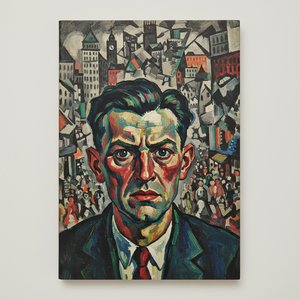
The Vibrant World of Ernst Ludwig Kirchner: A Definitive Guide to German Expressionism
Explore the raw emotion of German Expressionism through a definitive guide to Ernst Ludwig Kirchner. Discover how his bold colors and distorted forms redefined modern art history, from Berlin street scenes to iconic masterpieces.
Max Ernst: 25 Remek-djela Surrealizma za Uljepšavanje Vašeg Prostora | OriginalUniqueArt
Uronite u svijet nadrealizma s 25 remek-djela Maxa Ernsta! Otkrijte priče iza ikonskih slika, tehnike i inspiraciju ovog umjetnika. Reprodukcije vrhunske kvalitete za vaš dom na OriginalUniqueArt.com.
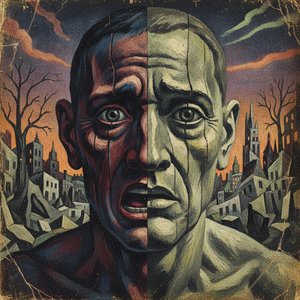
Unmasking Emotion: A Definitive Guide to the Raw Power and Visceral Beauty of German Expressionism
Explore the visceral power of German Expressionism. From Ernst Ludwig Kirchner to Die Brücke, discover how bold colors and distorted forms unmask raw human emotion in this expert art history guide for collectors and enthusiasts.
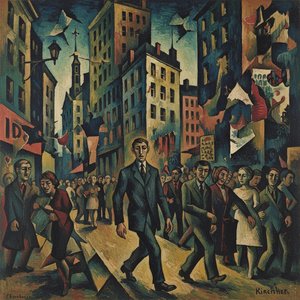
Ernst Ludwig Kirchner: Expressionism's Urban Anxiety & the Fragmentation of Modern Identity
Explore the powerful world of Ernst Ludwig Kirchner and German Expressionism. Discover his iconic paintings, Die Brücke group, and the movement's exploration of urban anxiety & modern identity. Expert analysis for collectors & enthusiasts.

German Expressionism's 10 Defining Masterpieces | Art for Your Home
Explore 10 defining German Expressionism masterpieces – from Munch's 'The Scream' to Kandinsky’s abstracts. Discover the artists, stories & bold colors behind this powerful art movement. Find museum-quality reproductions at OriginalUniqueArt.com.


