

 Pregledaj u stvarnoj veličini
 Podijeli
 Podijeli
 Detalji
 Vodič
Vodič

 Preuzmi datoteku
 Slični predmeti
 Rentgenska snimka
 Slide show
 Statistika
Dve žene u šumi


 Pročitajte više
Giclée / Umjetnički otisak
Giclée tisak muzejske kvalitete ili otisak na platnu uz brzu proizvodnju i fleksibilne opcije završne obrade. ( Naručite ručno oslikano reprodukciju Prebacite na digitalnu prodaju slika)




P118B €10

P118H €10

P118W €10

P438Z €10

P508JH €12

P508YH €12

P805H €10

P805Z €10

P919BZ €10

P919G €10

P919XJ €10

P959ZH €10

P968JZ €12

W106C €8

W218G €10

W218JH €8

W218Y €10

W307PJ €10

W316G €10

W316PJ €8

W316Y €10

W398PJ €8

W4111J €10

W500HY €15

W500JH €15

W692G €12

W849H €8

W940BG €15

W953PJ €8




Odaberite jednu od naših unaprijed definiranih veličina koje odgovaraju izvornim proporcijama umjetničkog djela.

Unesite širinu i visinu koja vam je potrebna, kako bi odgovarali vašem okviru ili zidu. Print se može samo izrezati, nikada ne može biti veći od slike, stoga veličina s drugačijim oblikom gubi dio slike. Šaljemo vam digitalni prikaz (mockup) na odobrenje prije bilo kakve štampe. Slika prikazana na ovoj stranici ne prikazuje stvarni rez — to čini samo digitalni prikaz.
Dostava širom svijeta () u roku od 2 tjedna umjesto standardnih 4/5 tjedana. (22 Listopad)

Besplatna ekspresna dostava širom svijeta

Visokokvalitetno laneno platno

Potpuno osiguranje transporta

Jamstvo povrata carine i uvoznih poreza

Jamstvo vjernosti boja

Politika povrata u roku od 100 dana (samo u slučaju nedostataka)

Jamstvo povrata 100% novca

Popust na više proizvoda
 Opcija stakla dostupna je samo za dimenzije manje od 110 cm

Dve žene u šumi
Giclée / Umjetnički otisak
Veličina reprodukcije
-


Ukupna cijena
€ 70
Dvije žene u šumi: Ekspresivna refleksija urbanog življa i ljudske izolacije
Dvije žene u šumi Ernsta Ludwiga Kirchnera predstavljaju fascinantnu kombinaciju prirodne ljepote i psihološke dubine, što ih čini iznimno zanimljivim djelom ekspresivne umjetnosti. Pokušaj razumijevanja ovog djela zahtjeva pažljivo osvještavanje konteksta u kojem je nastalo – početak 20. stoljeća, doba velikih društvenih promjena i sve većeg intenziteta urbanizacije koja je ostavila nezaboravno snažno utjecaje na umjetničko promišljanje tog vremena. Kirchner, jedan od osnivača grupe Die Brücke (“Most”), bio je jedan od najvažnijih predstavnika ekspresivizma koji su se borili protiv akademskog konzervativizma i nastojali pronaći novi jezik umjetnosti kako bi izražavali unutarnje stanje čovjeka. Njegovo umjetničko djelo karakteriziraju intenzivne boje, agresivne linije i iskrena emocija koja je često izvorom nezaboravnih vizualnih iskustava. Ova slika nije samo prikaz dva žene u šumi; ona je simbolička reprezentacija ljudske izolacije i težnje za unutarnjim svijetom koji se sukobljava s okolnim svijetom. Šuma, iako prirodna ljepota, djeluje kao prostor refleksije, mjesto gdje žene pokušavaju pronaći smiraj i unutarnju harmoniju u svijetu koji postaje sve sve većim intenzitetom napušten i neprijateljski. Kirchner je koristio tehniku olejbojenja na platnu kako bi postavio svoj pogled na svijet oko sebe. Poznata je njegova upotreba velikih površina boja koje su izražavajuće i stvaraju atmosferu koja je puna energije i emocija. Kako se gleda u sliku, pozornost privlači intenzivna kombinacija zelenih i žutih nijansi koje predstavljaju prirodnu okolinu i svjetlo dana. Međutim, boje nisu samo dekorativni elementi; one su ključne za prijenos emocionalnog stanja umjetnika koji je želio prenijeti vlastitu percepciju svijeta oko sebe. Često korištenje kratkih, dinamičnih poteza boja dodatno pojačava efekt ekspresije i stvaraju iluziju pokreta koji evocira unutarnju psihološku dinamiku lika žena. Detaljno analiziranje tehnike boje je ključno za razumijevanje umjetničkog djela. Kirchner je koristio različite metode apliciranja boja kako bi postavio svoj pogled na svijet oko sebe. Poznata je njegova upotreba velikih površina boja koje su izražavajuće i stvaraju atmosferu koja je puna energije i emocija. Kako se gleda u sliku, pozornost privlači intenzivna kombinacija zelenih i žutih nijansi koje predstavljaju prirodnu okolinu i svjetlo dana. Često korištenje kratkih, dinamičnih poteza boja dodatno pojačava efekt ekspresije i stvaraju iluziju pokreta koji evocira unutarnju psihološku dinamiku lika žena. Slika je iznimno važna zbog svog emocionalnog učinka koji izaziva gledatelja. Duboko u sebi gledatelj se susreće s pitanjem ljudske izolacije i težnje za unutarnjim svijetom koji se sukobljava s okolnim svijetom. Ekspresivni stil umjetnika omogućava gledatelju da osjeća emociju koja je izvorom slike – nostalgiju, ljepotu i dubinu ljudskog iskustva. Ova slika ostaje relevantna i danas jer govori o univerzalanim temama koje su prisutne u svim vremenima i kulturama. Ona podsjeća nas na važnost prirodnih elemenata kao izvora mira i inspiracije te na potrebu za unutarnjom introspekcijom kako bi pronašli smiraj i harmoniju u svijetu koji je često napušten i neprijateljski.Pitanja i odgovori
Koje raspoloženje izražava "Dve žene u šumi" autora Ernst Ludwig Kirchner unutar pokreta German Expressionism?
Napeto emocija djela "Dve žene u šumi" prati njegov German Expressionism stil.
Kako se "Dve žene u šumi" autora Ernst Ludwig Kirchner može iskoristiti u uređenju doma?
Upotreba (Atmosfera) i prostor (Restoran) dvije su preporučene opcije za "Dve žene u šumi" autora Ernst Ludwig Kirchner.
Gdje se povijesno nalazi "Dve žene u šumi"?
Povijesno gledano, "Dve žene u šumi" je German Expressionism rad šire ere Modernizam.
Biografija umjetnika
Ernst Ludwig Kirchner (1880-1938): A Life Forged in Expression
Ernst Ludwig Kirchner, a name synonymous with the raw emotional power of German Expressionism, was born into a world poised on the brink of dramatic change. His arrival in Aschaffenburg, Bavaria, in 1880, marked the beginning of a life deeply intertwined with artistic innovation and personal turmoil. The shifting landscapes of his childhood – dictated by his father’s profession – instilled within him a sense of displacement that would later become central to his oeuvre. From Frankfurt to Perlen, and finally settling in Chemnitz, young Kirchner absorbed the burgeoning anxieties of a rapidly modernizing Germany. Though initially steered towards architecture at the Königliche Technische Hochschule in Dresden, it was the profound pull of painting – fueled by an admiration for masters like Albrecht Dürer and a growing dissatisfaction with academic convention – that ultimately defined his artistic trajectory. He found kinship with fellow rebels – Fritz Bleyl, Karl Schmidt-Rottluff, and Erich Heckel – forging bonds that would irrevocably alter the course of 20th-century art.Early Life and Artistic Beginnings
Kirchner’s formative years were shaped by a family rooted in Prussian tradition but experiencing considerable mobility due to his father's occupation as a paper scientist. This itinerant upbringing instilled within him an acute awareness of change and instability, themes that would permeate his artistic vision throughout his life. He demonstrated exceptional talent from a young age, meticulously observing the world around him – the bustling train station opposite his childhood home in Frankfurt, the architectural details of Dresden’s cityscape – capturing these impressions with unwavering precision on paper. His early artistic explorations were influenced by the stylistic sensibilities of Dürer and Munch, artists who championed expressive technique alongside intellectual rigor. He embraced the challenge posed by academic painting's idealized representations of beauty, rejecting them in favor of distortion and jarring color palettes that conveyed the psychological complexities of modern experience. This rebellious spirit would characterize his entire artistic career.Die Brücke: A Collective Pursuit of Expression
In 1905, Kirchner joined forces with Fritz Bleyl, Karl Schmidt-Rottluff, and Erich Heckel to establish *Die Brücke* (“The Bridge”), an artistic collective dedicated to forging a new path for German art. This wasn’t merely a stylistic decision; it represented a fundamental philosophical stance—a rejection of bourgeois complacency and a fervent desire to reconnect with primal energies. The group drew inspiration from sources often overlooked by the mainstream art world – primitive art from Africa and Oceania, the bold chromatic explorations of Vincent van Gogh, and Edvard Munch's haunting depictions of psychological torment. They deliberately eschewed academic conventions, prioritizing expressive brushwork and distorted forms to convey the anxieties and alienation inherent in the burgeoning industrial age. Kirchner’s early paintings epitomized this collective ethos, pulsating with a restless energy that reflected their shared conviction: art must confront uncomfortable truths and capture the essence of human experience. The studio became a crucible for experimentation, where social norms were questioned alongside artistic innovations—a space mirroring the broader cultural upheavals of the era.Style and Technique: Embracing Distortion and Color
Kirchner’s distinctive artistic style is immediately recognizable for its uncompromising commitment to emotional expression. He rejected the illusionistic techniques favored by Impressionism, prioritizing instead a subjective rendering of reality—one informed by psychological insight rather than optical observation. His brushstrokes were bold and visible, conveying movement and dynamism while simultaneously capturing the texture of surfaces. Recurring motifs included figures rendered in distorted poses, often depicted in urban landscapes or solitary interiors—images that conveyed feelings of isolation and unease. Kirchner’s masterful use of color was equally transformative. He eschewed naturalistic hues, opting instead for vibrant shades that heightened emotional intensity and created a palpable sense of atmosphere. Influenced profoundly by Henri Matisse and Edvard Munch, he embraced Fauvist principles—applying flat areas of unbroken color to create striking visual impact. The deliberate inclusion of white spaces within his compositions served as a counterpoint to the dense chromatic layering, emphasizing textural contrasts and contributing to the overall feeling of immediacy.Legacy and Recognition
Kirchner’s artistic output was tragically curtailed by World War I, during which he volunteered for military service but suffered a debilitating mental breakdown—a formative experience that profoundly shaped his worldview. Following the war, he retreated to Davos, Switzerland, seeking solace from illness and pursuing a contemplative lifestyle rooted in the Lebensreform movement. Despite facing persecution under Nazi rule—over 600 of his works were confiscated and deemed “degenerate”—Kirchner remained steadfast in his artistic convictions. His unwavering dedication to truthfulness and emotional resonance cemented his place as one of the most influential figures of German Expressionism, inspiring generations of artists who followed him. Today, Ernst Ludwig Kirchner’s paintings continue to captivate audiences worldwide—serving as enduring symbols of artistic rebellion and a testament to the transformative power of confronting existential anxieties. His legacy resides not only in his groundbreaking stylistic innovations but also in his courageous assertion of human dignity amidst societal pressures—a message that resonates powerfully across time.
Ernst Ludwig Kirchner
1880 - 1938 , Njemačka
Brzi pregled
- Artistic Movement Or Style: Ekspresionizam
- Artists Or Movements Influenced By This Artist: ['Die Brücke']
- Artists Who Influenced This Artist:
- Albrecht Dürer
- Vincent van Gogh
- Edvard Munch
- Date Of Birth: 6 svibnja 1880.
- Date Of Death: 15 lipnja 1938.
- Full Name: Ernst Ludwig Kirchner
- Nationality: Njemački
- Notable Artworks:
- The Street (1908)
- Leaping Dancer (1912)
- Self-Portrait (1910)
- Place Of Birth: Aschaffenburg, Njemačka
Povezani članci

Glavna 10 Remek-djela Romantizma: Uljepšajte Svoj Dom Umjetnošću
Otkrijte 10 remek-djela romantizma koja su definirala pejzažno slikarstvo! Uronite u svijet Friedricha, Turnera i Aivazovskog. Inspirirajte svoj interijer vrhunskim umjetničkim djelima. Kupujte reprodukcije na OriginalUniqueArt.com!

Evocations of Place: A Historical Journey Through Landscape Art
Explore the rich history of landscape art with OriginalUniqueArt. Discover renowned artists, movements like Impressionism & Romanticism, and expert guidance for collecting timeless pieces. Find your perfect serene escape today!

German Expressionism's 10 Defining Masterpieces | Art for Your Home
Explore 10 defining German Expressionism masterpieces – from Munch's 'The Scream' to Kandinsky’s abstracts. Discover the artists, stories & bold colors behind this powerful art movement. Find museum-quality reproductions at OriginalUniqueArt.com.

John Constable: 25 Remek-djela Engleskog Majstora Krajolika | OriginalUniqueArt
Uronite u svijet John Constabla! Otkrijte 25 remek-djela engleskog romantizma i pejzaža. Ekskluzivne reprodukcije slika, zidna dekoracija & inspiracija za dizajn interijera na OriginalUniqueArt.com. Istražite cijelu kolekciju online!
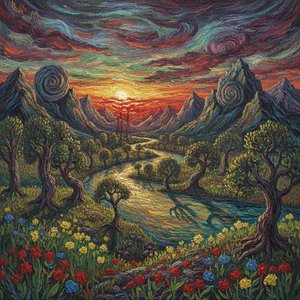
Beyond Reality: The Raw Emotion and Distorted Beauty of Expressionist Landscapes
Explore the profound emotional depth of Expressionist landscapes. From Munch to Kirchner, discover how bold colors and distorted forms redefine reality through art history's most evocative masterpieces.


