

 Pregledaj u stvarnoj veličini
 Podijeli
 Podijeli
 Detalji
 Vodič
Vodič

 Preuzmi datoteku
 Slični predmeti
 Rentgenska snimka
 Slide show
 Statistika
untitled (3545)

 Pročitajte više
Djelo prikazano na ovoj stranici zaštićeno je autorskim pravima, što znači da zakonski ne možemo izraditi niti prodati identičnu reprodukciju. Ova se zaštita provodi u skladu s međunarodnim sporazumima kao što su Bernska konvencija i nacionalnim zakonima, uključujući i one koji su utvrđeni u Američki zakon o autorskom pravu – Title 17.
Ova metoda u potpunosti je usklađena s autorskim pravima jer ne uključuje kopiranje ili dupliciranje zaštićenih umjetničkih djela. Umjesto toga, riječ je o kreativnoj reinterpretaciji – novoj slici koja je dobila utjecaj na izvornik, ali nije identična njemu.
Giclée / Umjetnički otisak
Giclée tisak muzejske kvalitete ili otisak na platnu uz brzu proizvodnju i fleksibilne opcije završne obrade. ( Naručite ručno oslikano reprodukciju Prebacite na digitalnu prodaju slika)




































Odaberite jednu od naših unaprijed definiranih veličina koje odgovaraju izvornim proporcijama umjetničkog djela.

Unesite širinu i visinu koja vam je potrebna, kako bi odgovarali vašem okviru ili zidu. Print se može samo izrezati, nikada ne može biti veći od slike, stoga veličina s drugačijim oblikom gubi dio slike. Šaljemo vam digitalni prikaz (mockup) na odobrenje prije bilo kakve štampe. Slika prikazana na ovoj stranici ne prikazuje stvarni rez — to čini samo digitalni prikaz.
Dostava širom svijeta () u roku od 2 tjedna umjesto standardnih 4/5 tjedana. (21 Listopad)

Besplatna ekspresna dostava širom svijeta

Visokokvalitetno laneno platno

Potpuno osiguranje transporta

Jamstvo povrata carine i uvoznih poreza

Jamstvo vjernosti boja

Politika povrata u roku od 100 dana (samo u slučaju nedostataka)

Jamstvo povrata 100% novca

Popust na više proizvoda
 Opcija stakla dostupna je samo za dimenzije manje od 110 cm

untitled (3545)
Giclée / Umjetnički otisak
Veličina reprodukcije
-


Ukupna cijena
€ 70
Biografija umjetnika
Arhitekt snova: Život i vizija Ernsta Fuchsa
Ernst Fuchs (1930. – 2015.) bio je mnogo više od običnog slikara; bio je multidisciplinarni vizionar koji je utkao niti kiparstva, arhitekture, glazbe i poezije kako bi stvorio jedinstven, halucinogen univerzum. Rođen u Beču tijekom razdoblja dubokih povijesnih tranzicija, Fuchs je iz ruševina poslijeratne ere izronio ne s očajem, već s neugasivom žudnjom za uzvišenim. Njegovo putovanje započelo je u taktilnom svijetu kiparstva, disciplini koja mu je usadila trajno poštovanje prema formi i materiji. Temelj postavljena u ranoj mladosti omogućio mu je da platnu pristupi ne kao ravnoj površini, već kao prostoru arhitektonske dubine i fizičke prisutnosti, gdje likovi mogu disati unutar pedantno konstruiranih krajolaza iz snova.
Srž Fuchsovog nasljeđa leži u njegovoj ulozi temeljnog stupa Bečke škole fantastičnog realizma. Osnovan 1946. godine uz luminare poput Friedensreicha Hundertwassera i Arnulfa Rainera, ovaj pokret nastojao je prevladati strogoću čiste apstrakcije prihvaćanjem hiperdetaljne, simboličke stvarnosti. Duboko pod utjecajem psiholoških dubina Jungovih arhetipova i transformativnih misterija alkemije, Fuchs je koristio svoju umjetnost kako bi se suočio s egzistencijalnim tjeskobama kroz prizmu dubokog ljepota. Njegovo djelo često djeluje poput prozora u kolektivno nesvjesno, gdje su granice između fizičkog svijeta i duhovnog carstva neprestano zamagljene.
Mischtechnik i majstorstvo svjetlosti
Ono što istinski izdvaja Fuchsovo remek-djelo je tehničko čarobništvo njegove mischtechnik tehnike – revolucionarnog oživljavanja tehnika glaziranja iz ere renesanse. Slojevitim nanošenjem prozirnih glazura preko pedantno pripremljenih površina, postizao je luminozni, unutarnji sjaj koji kao da emanira iz samog središta boje. Ova metoda omogućila mu je da uhvati suptilnu igru svjetla i sjene, dajući svojim motivima gotovo nadnaravnu vitalnost. Bilo da je prikazivao mesnate, uznemirujuće likove svojih ekspresionističkih djela ili raskošne, sanlične motive svojih fantastičnijih kompozicija, tehnička preciznost njegove ruke osigurala je da svaki potez četkice doprinosi osjećaju nadmoćnog realizma.
Ovo majstorstvo tehnike služilo je kao savršeno sredstvo za njegov složeni simbolički jezik. U njegovim slikama susret se mogu naći s:
- Klasičnim aluzijama: integracijom rimskih ruševina i renesansne estetike kako bi se izazvao osjećaj bezvremena trajanja.
- Biološkom metamorfozom: likovima koji izgledaju kao da su u stanju promjene, odražavajući teme rasta, propadanja i ponovnog rađanja.
- Duhovnim simbolizmom: dubokim angažmanom s religioznom ikonografijom, preoblikovanom kroz nadrealističku i često mističnu perspektivu.
Naslijeđe zapisano u kamenu i duhu
Fuchsov kreativni impuls nikada nije bio ograničen na studio. Njegovi arhitektonski poduhvati, najznačajniji u obnovi Vile Otto Wagner u Hütteldorfu, pokazali su njegovu sposobnost manifestiranja unutarnjih vizija u fizičkom svijetu. Transformacijom ove zapuštene strukture u Muzej Ernsta Fuchsa, stvorio je trajno utočište za samu magiju koju je proveo cijeli život dokumentirajući. Ovaj čin obnove zrcalio je njegovu umjetničku filozofiju: uzimanje razbijenih komadića stvarnosti i njihovo ponovno sastavljanje u nešto transcendentno i cjelovito.
Dok gledamo unazad na njegov plodnu karijeru, povijesni značaj Ernsta Fuchsa ostaje neumanjen. Stajao je kao most između klasičnih tradicija starih majstora i psiholoških složenosti modernog doba. Kroz svoju nepokolebljivu posvećenost fantastičnom realizmu, podsjetio je svijet da čak i u najmračnijim erama ljudska mašta posjeduje moć konstruiranja nebesa od svjetlosti, boje i beskrajne čudesnosti. Njegovo djelo nastavlja proganjati i inspirirati, kao svjedočanstvo života proživljenog na presjeku vidljivog i nevidljivog.

Ernst Fuchs
1930 - 2015 , Italija
Brzi pregled
- Artistic Movement Or Style: Fantastični realizam
- Artists Or Movements Influenced By This Artist:
- Max Pechstein
- Heinrich Campendonck
- Edvard Munch
- Henry Moore
- Artists Who Influenced This Artist:
- Gustav Klimt
- Egon Schiele
- Date Of Birth: 1930.
- Date Of Death: 2015.
- Full Name: Ernst Fuchs
- Nationality: Austrijanac
- Notable Artworks:
- Bez naslova (5591)
- Bez naslova (8257)
- Tužni rozari
- Place Of Birth: Beč, Italija
Povezani članci

Romantic Realism's Finest: 10 Masterpieces for Your Home | OriginalUniqueArt
Explore 10 defining masterpieces of Romantic Realism! Discover Courbet, Millet & Daumier's powerful paintings—capturing emotion and social realities. Find museum-quality reproductions for your home at OriginalUniqueArt.com.

Ernst Fuchs: A Visionary of Fantastic Realism & His Enduring Legacy
Explore the captivating world of Ernst Fuchs & the Vienna School of Fantastic Realism. Discover his unique 'mischtechnik', iconic symbolism, and lasting influence on visionary art. Expert insights for collectors.

The Enduring Allure of the Nude: A Historical & Artistic Exploration of the Human Form
Explore the captivating history of nude art! Discover iconic paintings & artists from classical to modern eras. Uncover symbolism, techniques & find museum-quality reproductions at OriginalUniqueArt.
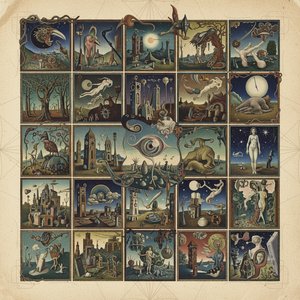
Max Ernst: 25 Remek-djela Surrealizma za Uljepšavanje Vašeg Prostora | OriginalUniqueArt
Uronite u svijet nadrealizma s 25 remek-djela Maxa Ernsta! Otkrijte priče iza ikonskih slika, tehnike i inspiraciju ovog umjetnika. Reprodukcije vrhunske kvalitete za vaš dom na OriginalUniqueArt.com.
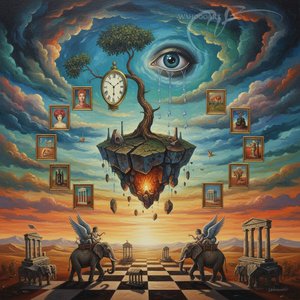
Deset Genijalnih Remeka-djela Surrealizma: Uronite u Svijet Fantazije i Snoviđenja | OriginalUniqueArt
Otkrijte 10 remek-djela koja su definirala surrealizam! Uronite u svijet Dalija, Magritta i drugih genijalaca. Istražite priče iza slika, pronađite inspiraciju za svoj interijer te kupujte vrhunske reprodukcije na OriginalUniqueArt.com!