

 Pregledaj u stvarnoj veličini
 Pošalji
 Podijeli
 Detalji o umjetničkom djelu

 Preuzmi
 Slični predmeti
 Rentgenska snimka
 Automatska prezentacija
Pharaoh's Army Marching
 1880
1880 89.0 x 117.0 cm
 Prikaži više
Giclée / Umjetnički otisak
Giclée tisak muzejske kvalitete ili otisak na platnu uz brzu proizvodnju i fleksibilne opcije završne obrade. ( Kupi ručno naslikanu sliku Kupi digitalnu sliku)




































Odaberite jednu od naših unaprijed definiranih veličina koje odgovaraju izvornim proporcijama umjetničkog djela.

Možete unijeti vlastite dimenzije kako biste umjetničko djelo prilagodili specifičnom okviru ili prostoru. Ako odabrana veličina ne odgovara proporcijama izvornog rada, izrezat ćemo dio slike ili je proširiti pomoću ogledalnog efekta ili jednobojne rubne površine. Digitalni prikaz (mockup) bit će vam poslan na odobrenje prije početka proizvodnje.
Imajte na umu da pregled na zaslonu ne odražava stvarno izrezivanje ili proširivanje. Samo će mockup točno prikazati konačnu kompoziciju.
Iako su dostupne prilagođene veličine, preporučujemo odabir dimenzije iz unaprijed definirane liste kako biste očuvali izvorne proporcije.
Dostava širom svijeta () u roku od 2 tjedna umjesto standardnih 4/5 tjedana. (14 Kolovoz)

Besplatna ekspresna dostava širom svijeta

Visokokvalitetno laneno platno

Potpuno osiguranje dostave

Jamstvo povrata carine i uvoznih poreza

Garancija vjernog podudaranja boja

Politika povrata u roku od 60 dana (samo u slučaju nedostataka)

Jamstvo povrata 100% novca

Popust na više proizvoda
 Opcija stakla dostupna je samo za dimenzije manje od 110 cm

Pharaoh's Army Marching
Giclée / Umjetnički otisak
Veličina reprodukcije
-


Ukupna cijena
$ 80
Biografija umjetnika
Erastus Salisbury Field: A Victorian Visionary of Stonehenge
Erastus Salisbury Field (May 19, 1805 in Leverett, Massachusetts – June 28, 1900 in Sunderland, Massachusetts) stands as a compelling figure within the landscape of 19th-century American art. More than simply a portrait painter, Field was a master of evocative storytelling through image, blending elements of folk art, historical illustration, and nascent photography to create works that resonate with both regional identity and grand, romantic themes. His career, spanning over seven decades, offers a fascinating glimpse into the evolving artistic sensibilities of a nation grappling with industrialization and searching for its visual narrative.
Born into a family deeply rooted in rural Massachusetts, Field’s early life was shaped by an appreciation for craftsmanship and a keen observational eye. His initial training, though rudimentary, involved sketching portraits under the guidance of local artists – a crucial step that instilled him with the fundamental skills of likeness and composition. This foundation proved surprisingly adaptable as he later embraced new techniques and styles, demonstrating a remarkable capacity to synthesize diverse influences into his own unique artistic voice.
The Limner’s Path: Portraits and Regional Identity
Field's early career was defined by his role as a “limner,” a term that aptly describes the itinerant portrait painters who thrived in New England during the 19th century. These artists traveled extensively, offering their services to rural communities – often capturing families, prominent citizens, and cherished pets. Unlike the formal studios of established artists, the limner’s practice was characterized by informality, direct engagement with clients, and a willingness to work within the constraints of a single sitting. Field quickly mastered this approach, developing a distinctive style that prioritized capturing “a good likeness” – not through meticulous detail or academic precision, but through a sensitive understanding of human expression and character.
His portraits are notable for their immediacy and warmth. He eschewed the elaborate costumes and theatrical poses favored by some of his contemporaries, instead presenting subjects in familiar settings and engaging them in natural conversation. This approach fostered a sense of intimacy and authenticity that resonated deeply with his clientele, establishing Field as a trusted chronicler of local life.
A Shift Towards Historical Narrative and Photographic Influence
As the 19th century progressed, Field’s artistic focus began to shift. The rise of photography presented both a challenge and an opportunity for artists like Field. While photographic portraiture gained popularity as a more efficient and accessible means of capturing likenesses, it also spurred Field to experiment with new techniques and approaches. He became fascinated by the process of reproduction, initially through collodion printing, and later by incorporating elements of photography into his own paintings.
This experimentation culminated in his ambitious “Historical Monument of the American Republic,” a monumental canvas depicting key moments in American history – from the arrival of Columbus to the Civil War. The painting is a remarkable synthesis of historical research, artistic skill, and imaginative vision. Field drew inspiration from architectural models and plans for the Centennial Exposition of 1876, creating a fantastical cityscape populated by iconic figures and symbolic representations of national values. The work demonstrates his growing interest in grand narratives and his ability to translate complex ideas into visually compelling imagery.
A Legacy of Regional Vision
Erastus Salisbury Field’s legacy extends beyond the individual works that survive today. He represents a vital link between the traditions of folk art and the emerging artistic currents of the 19th century. His paintings offer a unique window into the social, cultural, and historical landscape of rural New England – capturing not only the faces of his subjects but also the spirit of a region grappling with change and defining its own identity.
His distinctive style—characterized by flattened forms, simplified details, and a focus on evocative storytelling—continues to fascinate art historians and collectors alike. Field’s work stands as a testament to the enduring power of visual narrative and the remarkable creativity of an artist who found his voice in the heartland of America.
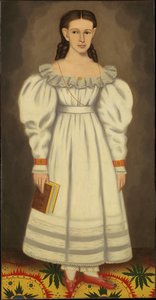
erastus salisbury field
1805 - 1900
Osnovne informacije
- Artistic Movement Or Style: Folk art, Portraiture
- Artists Or Movements Influenced By This Artist: ['Limner Tradition']
- Artists Who Influenced This Artist: ['Samuel F. B. Morse']
- Date Of Birth: May 19, 1805
- Date Of Death: June 28, 1900
- Full Name: Erastus Salisbury Field
- Nationality: American
- Notable Artworks:
- The Embarkation of Ulysses
- The Death of the First Born
- Nathaniel Bassett
- Place Of Birth: Leverett, Massachusetts

