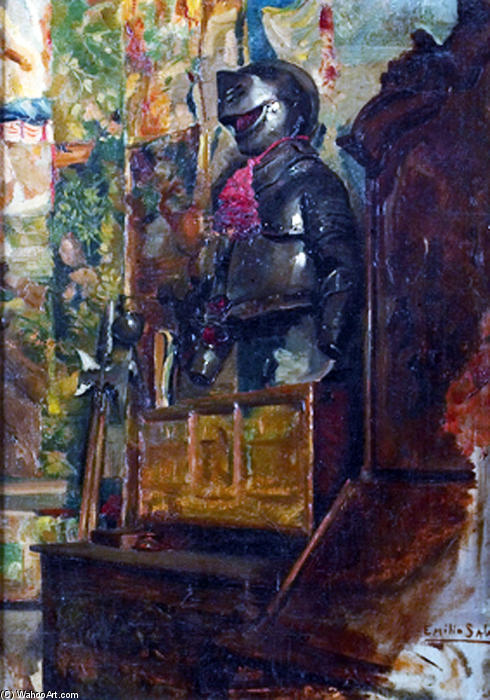
 Pregledaj u realnoj veličini
 Pošalji
 Podijeli
 Detalji o umjetničkom djelu
 Vodič
Vodič

 Preuzmi umjetničko djelo
 Slični predmeti
 Rentgenska snimka
 Slide show
 Pitanja i odgovori
 Statistika
Taller
 Prikaži više
Giclée / Umjetnički otisak
Giclée tisak muzejske kvalitete ili otisak na platnu uz brzu izradu i raznolike opcije završne obrade. ( Kupi ručno oslikano djelo Prebacite na digitalnu sliku)




































Odaberite jednu od naših unaprijed definiranih veličina koje odgovaraju izvornim proporcijama umjetničkog djela.

Unesite potrebnu širinu i visinu kako bi odgovarali vašem okviru ili zidu. Print se može samo izrezati, nikada ne može biti veći od slike, stoga format s drugačijim omjerom stranica uzrokuje gubitak dijela slike. Prije bilo kakve štampe šaljemo vam digitalni prikaz (mockup) na odobrenje. Slika prikazana na ovoj stranici ne prikazuje stvarni rez — to prikazuje isključivo digitalni prikaz.
Dostava širom svijeta () u roku od 2 tjedna umjesto standardnih 4/5 tjedana. (5 Studeni)

Besplatna ekspresna dostava širom svijeta

Visokokvalitetno laneno platno

Potpuno osiguranje dostave

Jamstvo povrata carine i uvoznih poreza

Jamstvo vjernosti boja

Politika povrata u roku od 100 dana (samo u slučaju nedostataka)

Jamstvo povrata 100% novca

Popust na više proizvoda
 Opcija stakla dostupna je samo za dimenzije manje od 110 cm

Taller
Giclée / Umjetnički otisak
Veličina reprodukcije
-


Ukupna cijena
€ 72
Biografija umjetnika
Emilio Sala y Frances: A Master of Spanish Portraiture and Romantic Realism
Born in Alcoy, Spain, in 1850, Emilio Sala y Frances emerged as a significant figure in late 19th-century Spanish art. His life was inextricably linked to the vibrant artistic scene of Valencia and Madrid, where he honed his skills under the tutelage of his cousin, Plácido Francés y Pascual, and later benefited from studies at the prestigious Real Academia de Bellas Artes de San Carlos in Valencia. Sala’s career unfolded against a backdrop of evolving artistic styles – moving from academic realism to the burgeoning influences of Romanticism and Symbolism, culminating in a distinctive approach characterized by nuanced observation and a profound understanding of human emotion.
Early training with his cousin instilled in Sala a solid foundation in traditional techniques. However, it was his time in Madrid that truly shaped his artistic vision. The city’s bustling cultural landscape exposed him to diverse influences and provided opportunities for experimentation. He quickly established himself as a portraitist of considerable skill, capturing the elegance and social standing of his subjects with remarkable detail. His early works, showcased at the National Exhibition of Fine Arts in Valencia, demonstrated an aptitude for depicting formal portraits, showcasing a nascent talent for capturing likeness and conveying personality.
The Rise of a Master: Portraits and Genre Scenes
Sala’s artistic trajectory shifted dramatically following his experience at the Spanish Academy in Rome. Disappointed by the reception of his historical painting, “Expulsion of the Jews from Spain,” he abandoned that subject matter and turned towards more intimate and emotionally resonant themes – primarily genre scenes and portraits. This decision marked a pivotal moment in his career, allowing him to explore a wider range of subjects and develop a uniquely personal style. His portraits weren’t merely representations of physical appearance; they were carefully constructed narratives revealing the inner lives and social contexts of his sitters.
His work during this period is characterized by a masterful use of light and shadow, creating dramatic contrasts that heighten emotional impact. The painting “Muchacha” exemplifies this approach – a captivating study of a young woman rendered in muted tones with loose brushwork, conveying a sense of contemplative melancholy. Similarly, his portrait of a man, "Retrato de Hombre," showcases a dignified subject bathed in somber light, reflecting the weight of experience and wisdom. These works demonstrate Sala’s ability to infuse ordinary subjects with extraordinary depth and meaning.
Influences and Artistic Development
Sala's artistic development was undoubtedly influenced by several key figures and movements. The academic traditions instilled by his cousin provided a solid grounding in technique, while the vibrant art scene of Madrid exposed him to the innovations of Impressionism and Symbolism. However, Sala’s style remained firmly rooted in Spanish Realism, characterized by meticulous observation, detailed rendering, and a focus on capturing the nuances of human expression. He was particularly drawn to the works of Gustave Courbet and Jean-François Millet, whose emphasis on depicting everyday life and social realities resonated with his own artistic sensibilities.
Furthermore, Sala’s time in Paris proved transformative. He immersed himself in the city's thriving art world, encountering artists like Camille Pissarro and Edgar Degas, who influenced his approach to composition and color. The experience broadened his perspective and encouraged him to experiment with new techniques and subject matter. His later works reflect this newfound openness, incorporating elements of Impressionistic brushwork and a greater emphasis on capturing fleeting moments of beauty.
Legacy and Historical Significance
Emilio Sala y Frances died in Madrid in 1910, leaving behind a significant body of work that continues to be admired for its technical skill, emotional depth, and artistic originality. His portraits are particularly noteworthy for their ability to capture the essence of his subjects – revealing not only their physical appearance but also their inner lives and social contexts. He played a crucial role in shaping the development of Spanish portraiture during the late 19th century, establishing a new standard of excellence that influenced generations of artists.
Beyond his individual achievements, Sala’s career is intertwined with the broader cultural history of Spain. His work reflects the social and political changes taking place during a period of rapid modernization and industrialization. His depictions of everyday life offer valuable insights into the lives of ordinary people – providing a window into the past and reminding us of the enduring power of art to illuminate human experience. Today, his paintings are housed in prominent museums throughout Spain, ensuring that his legacy as one of the country’s most important portraitists will continue to endure.

Emilio Sala Y Frances
1850 - 1910 , Spain
Osnovne informacije
- Full Name: Emilio Sala y Frances
- Nationality: Spanish
- Date Of Birth: 1850
- Date Of Death: 1910
- Place Of Birth: Álcoi, Spain
- Notable Artworks:
- Los Reyes Catolicos
- Muchacha
- Retrato de Hombre
- Artistic Movement Or Style: Portraiture, Genre
- Artists Who Influenced This Artist: ['Plácido Francés']
- Artists Or Movements Influenced By This Artist: ['Realism']