

 Pregledaj u stvarnoj veličini
 Pošalji
 Podijeli
 Detalji o umjetničkom djelu

 Preuzmi
 Slični predmeti
 Rentgenska snimka
 Automatska prezentacija
Tea-time

 Prikaži više
Giclée / Umjetnički otisak
Giclée tisak muzejske kvalitete ili otisak na platnu uz brzu proizvodnju i fleksibilne opcije završne obrade. ( Kupi ručno naslikanu sliku Kupi digitalnu sliku)




































Odaberite jednu od naših unaprijed definiranih veličina koje odgovaraju izvornim proporcijama umjetničkog djela.

Možete unijeti vlastite dimenzije kako biste umjetničko djelo prilagodili specifičnom okviru ili prostoru. Ako odabrana veličina ne odgovara proporcijama izvornog rada, izrezat ćemo dio slike ili je proširiti pomoću ogledalnog efekta ili jednobojne rubne površine. Digitalni prikaz (mockup) bit će vam poslan na odobrenje prije početka proizvodnje.
Imajte na umu da pregled na zaslonu ne odražava stvarno izrezivanje ili proširivanje. Samo će mockup točno prikazati konačnu kompoziciju.
Iako su dostupne prilagođene veličine, preporučujemo odabir dimenzije iz unaprijed definirane liste kako biste očuvali izvorne proporcije.
Dostava širom svijeta () u roku od 2 tjedna umjesto standardnih 4/5 tjedana. (23 Kolovoz)

Besplatna ekspresna dostava širom svijeta

Visokokvalitetno laneno platno

Potpuno osiguranje dostave

Jamstvo povrata carine i uvoznih poreza

Garancija vjernog podudaranja boja

Politika povrata u roku od 60 dana (samo u slučaju nedostataka)

Jamstvo povrata 100% novca

Popust na više proizvoda
 Opcija stakla dostupna je samo za dimenzije manje od 110 cm

Tea-time
Giclée / Umjetnički otisak
Veličina reprodukcije
-


Ukupna cijena
$ 80
Biografija umjetnika
The Ethereal Vision of Emile Eisman-Semenowsky
Émile Eisman-Semenowsky remains a captivating figure in the late nineteenth-century Parisian art scene, an artist whose work serves as a bridge between the rigorous discipline of academic realism and the fleeting, luminous qualities of Impressionism. Born in Poland around 1857, his early life is shrouded in much of the mystery that often surrounds artists of great talent but sparse documentation. Likely of Jewish descent, he moved through the cultural landscapes of Eastern Europe before finding his creative home in France. This movement between worlds—from the traditions of his Polish roots to the avant-garde energy of Paris—imbued his work with a unique perspective, allowing him to capture a sense of "otherness" that would become his artistic hallmark.
His training in Paris placed him at the heart of a transformative era. During this time, the art world was deeply enamored with Orientalism, a movement characterized by a romanticized fascination with the cultures and landscapes of the East. Eisman-Semenowsky did not merely observe this trend; he mastered it through a technique he famously referred to as “butterfly painting.” This method utilized delicate, evocative brushwork that mimicked the ephemeral beauty of nature, allowing him to render textures—the sheen of silk, the softness of skin, and the intricate patterns of embroidered vests—with an almost tactile grace. His ability to blend the structural precision of classical portraiture with the light-drenched spontaneity of Impressionism created a visual language that felt both timeless and modern.
A Tapestry of Beauty and Culture
The heart of Eisman-Semenowsky’s oeuvre lies in his profound devotion to the female form, often presented through the lens of exoticized beauty. His portraits are rarely mere likenesses; they are atmospheric studies of grace and ornamentation. In works such as "A Young Beauty In An Imperial Vest," one can observe how he uses warm tones and rich textures to celebrate a sense of cultural opulence. He had a remarkable talent for capturing the interplay of light on fabric, making the viewer feel the weight of heavy embroidery and the lightness of sheer veils. This focus on genre painting allowed him to tell stories of a romanticized world, where every subject seemed caught in a moment of quiet, dignified splendor.
Beyond the purely decorative, his work often touched upon the soulful connection between the subject and their environment. Whether depicting a girl with a vibrant red umbrella or a young woman amidst soft, romantic roses, there is an underlying sense of narrative depth. His paintings frequently feature:
- Academic Realism: A foundation of anatomical accuracy and structural integrity that gives his subjects a lifelike presence.
- Impressionistic Light: The use of broken brushstrokes to capture the shimmering, transient effects of sunlight and shadow.
- Orientalist Themes: An infusion of Eastern aesthetics, including intricate costumes, jewelry, and decorative motifs that evoke distant, exotic locales.
Legacy and Artistic Significance
Though his life ended in 1911, the impact of Eisman-Semenowsky’s vision continues to resonate within the history of nineteenth-century art. He stood at a pivotal moment when the boundaries of painting were being redrawn, and he navigated this transition with unparalleled elegance. His significance lies not only in his technical mastery but in his ability to synthesize disparate influences—the academic, the impressionistic, and the exotic—into a cohesive and emotionally stirring body of work. Today, his paintings remain cherished for their ability to transport the viewer to a world of idealized beauty, reminding us of an era when the canvas was a window into the most enchanting corners of the human imagination.

emile eisman semenovsky
1859 - 1911
Osnovne informacije
- Artistic Movement Or Style: Orientalism
- Artists Or Movements Influenced By This Artist: ['Oriental Art']
- Artists Who Influenced This Artist: ['Jan van Beers']
- Date Of Birth: September 19, 1857
- Date Of Death: 1911
- Full Name: Emile Eisman-Semenowsky
- Nationality: French
- Notable Artworks:
- A Young Beauty
- Friquette
- Place Of Birth: Poland
Srodni članci

Vladimir Makovsky: Realism, Social Commentary & Russian Life in Late 19th-Century Painting
Explore the captivating world of Vladimir Makovsky, a leading Russian realist painter. Discover his insightful depictions of 19th-century life, social commentary & legacy with OriginalUniqueArt.

Roko Bela: 10 Remek Dela Ko Su Oblikovala Umjetnički Pokret
Otkrijte 10 remek djela koja su definirala rokokoznu umjetnost! Uronite u svijet baroka i elegancije, upoznajte poznate slikare i otkrijte tajne rococo boja. Inspirirajte se za svoj dom uz OriginalUniqueArt.com - ekskluzivne reprodukcije i kurirane ideje za dekoraciju.

Ivan Bilibin: A Synthesis of Folklore, Modernism & National Identity in Russian Illustration
Explore the enchanting world of Ivan Bilibin, a master Russian illustrator who synthesized folklore, Art Nouveau & national identity. Discover his iconic fairy tale illustrations and legacy with OriginalUniqueArt.

Victor Vasnetsov: Myth, Nationalism & the Revival of Russian Fairy Tale Painting
Explore the captivating world of Victor Vasnetsov, a co-founder of Russian folklorist painting. Discover his iconic works, influence on national identity, and lasting legacy in this expert guide.
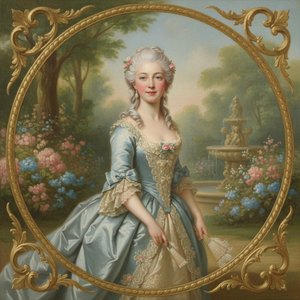
The Elegance of Rococo Portraiture: A Journey Through Grace, Soft Light, and Pastel Dreams
Discover the exquisite world of Rococo portraiture. Explore the delicate beauty of 18th-century French art, from pastel light to graceful asymmetry, and learn how to bring this era of elegance into your home through masterfully hand-painted oil reproductions.

