 Pregledaj u realnoj veličini
 Pošalji
 Podijeli
 Detalji o umjetničkom djelu
 Vodič
Vodič

 Preuzmi umjetničko djelo
 Slični predmeti
 Rentgenska snimka
 Slide show
 Q&A
Q&A Statistika
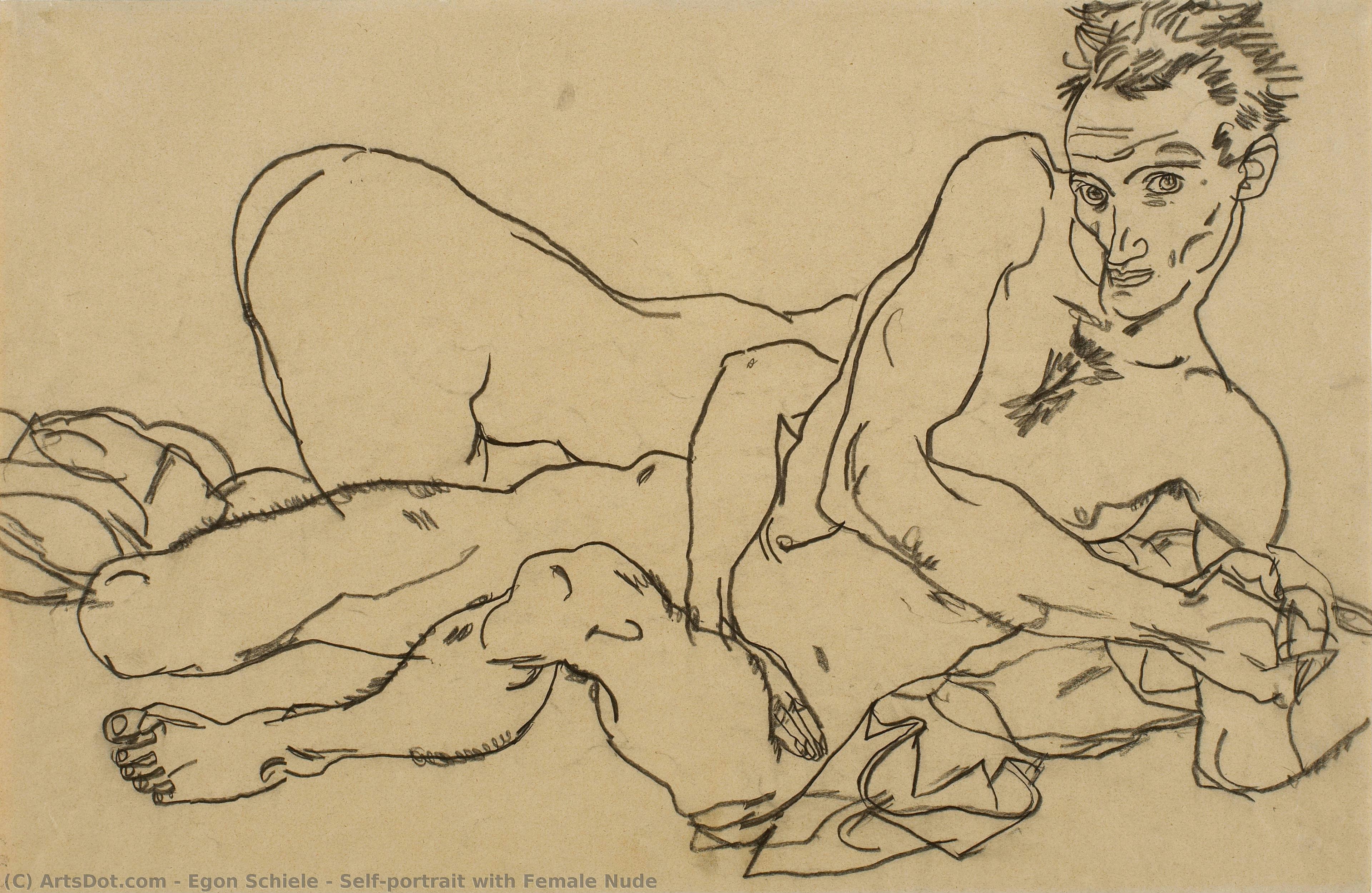
Self-portrait with Female Nude

- 28.0 x 44.0 cm


 Prikaži više
Giclée / Umjetnički otisak
Giclée tisak muzejske kvalitete ili otisak na platnu uz brzu izradu i raznolike opcije završne obrade. ( Kupi ručno oslikano djelo Prebacite na digitalnu sliku)




P118B €10

P118H €10

P118W €10

P438Z €10

P508JH €12

P508YH €12

P805H €10

P805Z €10

P919BZ €10

P919G €10

P919XJ €10

P959ZH €10

P968JZ €12

W106C €8

W218G €10

W218JH €8

W218Y €10

W307PJ €10

W316G €10

W316PJ €8

W316Y €10

W398PJ €8

W4111J €10

W500HY €15

W500JH €15

W692G €12

W849H €8

W940BG €15

W953PJ €8




Odaberite jednu od naših unaprijed definiranih veličina koje odgovaraju izvornim proporcijama umjetničkog djela.

Unesite potrebnu širinu i visinu kako bi odgovarali vašem okviru ili zidu. Print se može samo izrezati, nikada ne može biti veći od slike, stoga format s drugačijim omjerom stranica uzrokuje gubitak dijela slike. Prije bilo kakve štampe šaljemo vam digitalni prikaz (mockup) na odobrenje. Slika prikazana na ovoj stranici ne prikazuje stvarni rez — to prikazuje isključivo digitalni prikaz.
Dostava širom svijeta () u roku od 2 tjedna umjesto standardnih 4/5 tjedana. (1 Studeni)

Besplatna ekspresna dostava širom svijeta

Visokokvalitetno laneno platno

Potpuno osiguranje dostave

Jamstvo povrata carine i uvoznih poreza

Jamstvo vjernosti boja

Politika povrata u roku od 100 dana (samo u slučaju nedostataka)

Jamstvo povrata 100% novca

Popust na više proizvoda
 Opcija stakla dostupna je samo za dimenzije manje od 110 cm

Self-portrait with Female Nude
Giclée / Umjetnički otisak
Veličina reprodukcije
-


Ukupna cijena
€ 71
A Raw Encounter with Mortality and Desire
In the hauntingly intimate world of Egon Schiele, every line vibrates with the tension between life and death. His 1918 masterpiece, Self-Portrait with Female Nude, serves as a profound window into the artist's psyche during one of Europe's most turbulent eras. Created amidst the devastation of the First World War and shadowed by Schiele’s own struggle with illness, this work transcends mere portraiture to become an emotional landscape. The composition presents a striking, vulnerable tableau: Schiele himself lies supine upon a bed, his form intertwined with that of a nude woman. It is a scene that feels both deeply private and uncomfortably exposed, capturing a moment of stillness that is heavy with the weight of human existence.
The emotional impact of the piece lies in its ability to evoke a sense of profound vulnerability. There is no idealized beauty here; instead, Schiele presents a raw, unvarnished truth. The woman’s pose, slightly turned away from the viewer, invites us into a space of speculation and quiet longing. As she rests partially draped in a sheet, the fabric acts as both a barrier and a symbol of the secrets we keep even from those closest to us. For the collector or lover of fine art, this work offers more than just visual interest; it provides a meditative experience, prompting reflections on the fragility of our own connections and the inevitable passage of time.
The Language of Expressionist Line and Texture
Technically, the artwork is a masterclass in the Expressionist style, characterized by its rejection of traditional realism in favor of emotional truth. Schiele utilizes a stark, almost monochromatic palette that emphasizes the skeletal structure and muscular tension of his subjects. Through the meticulous use of hatching and cross-hatching, he builds up tonal variations that create a palpable sense of depth and texture despite the absence of vibrant color. The lines are famously angular and jagged, mirroring the psychological unease that permeates the composition.
This deliberate use of technique serves to heighten the anatomical precision Schiele was known for, while simultaneously distorting it to convey internal strife. The way the light catches the edges of the figures suggests a flickering, uncertain reality. For interior designers seeking to introduce a focal point of intellectual and emotional depth, a high-quality reproduction of this piece brings a sophisticated, avant-garde energy to any space. The interplay of shadow and form provides a dramatic architectural element that complements modern, minimalist, or even classical decor, acting as a conversation piece that demands attention and contemplation.
A Legacy of Introspection and Symbolism
Beyond the immediate visual impact, Self-Portrait with Female Nude is rich with symbolic complexity. The presence of smaller, peripheral figures flanking the central duo adds layers of narrative ambiguity—are they silent observers, or perhaps symbolic representations of the ghosts that haunt the artist's mind? Schiele’s fascination with the human form was never purely anatomical; it was a way to map the contours of the soul. The juxtaposition of the naked body against the starkness of the background serves as a metaphor for the nakedness of the human condition when stripped of societal pretenses.
Owning a reproduction of such a pivotal work allows one to inhabit the intense, transformative atmosphere of the early 20th-century Viennese art scene. It is an invitation to appreciate the courage it took for Schiele to confront his fears—his mortality, his desires, and his very identity—on paper. Whether displayed in a private study or a curated gallery space, this artwork stands as a testament to the enduring power of art to capture the most fleeting and profound moments of the human experience.
Pitanja i odgovori
O kakvom se umjetničkom djelu radi kod "Self-portrait with Female Nude"?
"Self-portrait with Female Nude" je WallArt djelo.
Koliko su boje djela "Self-portrait with Female Nude" međusobno u harmoniji?
Koloristička harmonija djela "Self-portrait with Female Nude" zabilježena je kao Unified Palette.
Koja su preporučena veličina i orijentacija za print djela "Self-portrait with Female Nude" autora Egon Schiele?
Za "Self-portrait with Female Nude", preporučena veličina za print je Small i Landscape orijentacija.
Biografija umjetnika
A Life Forged in Expression
Born in Tulln an der Donau, Austria, on June 12, 1890, Egon Schiele’s life was a turbulent journey marked by both extraordinary artistic vision and profound personal hardship. His early years were shadowed by illness and loss; his father succumbed to syphilis when Egon was just fourteen, a tragedy that would deeply resonate within his work, fueling an obsession with mortality and the fragility of existence. Raised initially by his mother and then under the somewhat controlling guardianship of his uncle Leopold Czihaczek, Schiele’s childhood lacked conventional stability but fostered a fiercely independent spirit. Even as a boy, he displayed an intense fascination with trains—a motif that subtly reappeared in later paintings—and a burgeoning talent for drawing, though this was initially met with disapproval from his father who saw it as a distraction from more practical pursuits. The early death of his sister Elvira also cast a long shadow over the young artist’s psyche. These formative experiences instilled within him a sensitivity and an emotional rawness that would become hallmarks of his artistic expression, a constant grappling with themes of life, death, and the human condition.
Early Influences & Artistic Training
Schiele's formal artistic training began at the Kunstgewerbeschule in Vienna, but he quickly found itself stifled by its conservative approach. He transferred to the Akademie der bildenden Künste (Academy of Fine Arts), only to become further disillusioned with its rigid academic traditions. This dissatisfaction led him to abandon formal training altogether, choosing instead to forge his own path—a testament to his unwavering artistic conviction. The influence of Gustav Klimt was pivotal during these early years; Schiele admired Klimt’s decorative style and exploration of symbolism, even receiving mentorship from the established artist. Klimt's bold use of color and stylized forms captivated Schiele, shaping his aesthetic sensibilities and inspiring him to experiment with innovative techniques. However, Schiele soon diverged from Klimt's path, developing a distinctive artistic voice characterized by its stark honesty and psychological intensity.
Vienna Secession & The Rise of Expressionism
Schiele joined the Viennese Secession in 1909 alongside fellow artists Anton Faistauer, Rudolf Kalvach, Franz Wiegele, Hans Ehrlich, and Löwenstein—a group that championed avant-garde artistic ideals and challenged the prevailing aesthetic conventions. This affiliation marked a crucial turning point in Schiele’s career, exposing him to new ideas and fostering collaborations with influential figures within Vienna's art world. The Secession’s exhibitions showcased groundbreaking works by artists like Klimt and Oskar Kokoschka, introducing Schiele to a wider audience and establishing him as a prominent voice in the burgeoning Expressionist movement.
Major Works & Artistic Style
Schiele’s artistic style is immediately recognizable for its raw honesty and psychological depth. He fearlessly confronted themes often considered taboo – sexuality, death, anxiety, isolation – with an unflinching gaze. His distinctive style features elongated figures, contorted poses, and expressive lines that convey a sense of unease and emotional intensity. The human form, particularly the nude, became his primary subject, not as an object of idealized beauty but as a vessel for exploring the complexities of human experience. Self-portraits constitute a significant portion of his oeuvre, offering intimate glimpses into his inner world—a world often marked by loneliness and self-doubt. He didn’t shy away from depicting himself in unflattering or vulnerable poses, revealing a profound level of self-awareness and introspection. Recurring motifs like the *Physalis plant* – symbolizing death and transience with its delicate, papery husk – further underscore this preoccupation with mortality.
Legacy & Influence
Despite facing censorship and legal challenges—including a brief imprisonment for allegedly corrupting minors with his art—Schiele gained recognition within Vienna’s avant-garde circles. His work challenged the conventions of the time, provoking both admiration and outrage. By the time of his untimely death during the Spanish flu pandemic in 1918 at the age of twenty-eight, he had established himself as a leading figure in Austrian Expressionism. Significant works such as Self-Portrait with Physalis, Couple Embracing, and Field Landscape (Kreuzberg near Krumau) stand as testaments to his artistic genius. Schiele’s influence on subsequent generations of artists is undeniable—particularly those interested in exploring psychological themes and challenging conventional artistic norms. His bold approach to form and subject matter continues to resonate with audiences today, making him one of the most important and influential figures in early 20th-century art. He left behind a body of work that is not merely aesthetically compelling but profoundly human—a testament to the power of art to confront the complexities of existence with honesty, courage, and unwavering vision.

Egon Schiele
1890 - 1918 , Австрија
Osnovne informacije
- Artistic Movement Or Style: Ekspresionizam
- Artists Who Influenced This Artist: ['Gustav Klimt']
- Date Of Birth: 12. lipnja 1890.
- Date Of Death: 31. listopada 1918.
- Full Name: Egon Schiele
- Nationality: Austrijan
- Notable Artworks:
- Samoportret s fizišalom
- Par koji se ljubi
- Polje pejzaža
- Place Of Birth: Tulln an der Donau, Austrija
Srodni članci
Egon Schiele: Expressionism, Anxiety & the Modern Condition – A Comprehensive Exploration
Explore the emotionally charged world of Egon Schiele (1890-1918). Discover his Expressionist masterpieces, psychological themes, and lasting impact on modern art. A comprehensive guide for collectors & enthusiasts.
Egon Schiele: 25 Remek-djela Ekspresionizma za Vaš Dom | OriginalUniqueArt
Istražite 25 najpoznatijih djela Egona Schielea! Otkrijte ekspresionističke portrete, autoportrete i simbolizam u austrijskoj umjetnosti. Kvalitetne reprodukcije slika za vaš dom na OriginalUniqueArt.com.
The Nuances of Graphite: Exploring Emotional Depth & Technical Mastery in Pencil Drawing
Explore the captivating world of graphite drawing! Discover its rich history, master essential techniques like chiaroscuro, and learn how artists evoke emotion through this timeless medium. Expert insights for art enthusiasts.
Expressionist Painting: 10 Masterpieces That Defined a Movement | OriginalUniqueArt
Explore 10 Expressionist paintings that revolutionized art! Discover Munch, Kirchner & Kandinsky's iconic works. Find museum-quality reproductions and vibrant canvas prints to elevate your home decor on OriginalUniqueArt.com.
Glavnih 10 Ekspresionista: Remek-djela koja su definirala umjetnički pokret
Otkrijte 10 remek-djela ekspresionizma koja su obilježila umjetnički svijet! Uronite u priče Muncha, Kirchnera i drugih majstora. Inspirirajte se bojama i emocijama – pronađite savršenu reprodukciju za svoj dom na OriginalUniqueArt.com!