Pictorialism · 1920
Sunflower (Edward Steichen, 1920)
Edward Steichen (1900–1973) je izradio Sunflower. Datira iz 1920. Pripada pokretu Pictorialism. Izrađeno je u Acrylic On Canvas. Čuva se u muzeju Muzej Georgea Eastmana u mjestu Rochester, Sjedinjene Američke Države. Dimenzije su 19 × 24 cm.
- 1920
- Acrylic On Canvas
- 19 × 24 cm
- Muzej Georgea Eastmana, Rochester

 Pregledaj u realnoj veličini

 Ručno oslikano uljanim bojama
 Pošalji
 Podijeli
 Informativni list


 Preuzmi umjetničko djelo
 Slični predmeti
 Rentgenska snimka
 Slide show
 Pitanja i odgovori

 Statistika
Sunflower, ukratko
- Naslov
- Sunflower
- umjetnik
- Edward Steichen (1900–1973)
- Rođen/a u
- Bivange, Luksemburg
- Datum
- 1920
- Tehnika
- Acrylic On Canvas
- Dimenzije
- 19 × 24 cm
- Gdje se može vidjeti
- Muzej Georgea Eastmana, Rochester, Sjedinjene Američke Države
- Pokret
- Pictorialism
- Razdoblje
- 19th Century
- Tema
- sunflower, edward steichen, photography, art, landscape, composition
Što prikazuje Sunflower?
A Luxembourgian Seed Takes Root: The Genesis of “Sunflower”
Edward Steichen’s 1920 painting, "Sunflower," isn’t merely a depiction of a flower; it's a poignant distillation of memory, displacement, and the enduring search for belonging. Born in the small, unassuming village of Bivange, Luxembourg, in 1879 – a region steeped in history and shadowed by the shifting borders of Europe – Steichen’s early life was marked by an emigration to America at just eighteen months old. This relocation, a common experience for Luxembourgers facing economic hardship, instilled within him a profound sense of rootlessness, a feeling that would subtly permeate his artistic vision throughout his career. The painting itself emerges from this context; it's not simply a botanical study but a visual echo of a past left behind, a yearning for stability amidst constant change.
Steichen’s journey to America was fueled by the hope of opportunity and a desire to escape the limitations imposed by his birthplace. He quickly immersed himself in the vibrant artistic scene of Milwaukee, Wisconsin, where he honed his skills as a lithographer and began experimenting with photography – a medium that would ultimately become his defining voice. This early exposure to both visual arts laid the groundwork for his later ability to capture light, texture, and emotion with remarkable precision.
The Pictorialist’s Palette: Technique and Style
“Sunflower” exemplifies Steichen's mastery of the pictorialist style – a movement that sought to elevate photography to the level of fine art. The painting is rendered in tempera and oil on canvas, utilizing a muted palette dominated by earthy browns, ochres, and subtle greens. These colors evoke the rich soil from which the sunflower springs, grounding the image in a sense of naturalism while simultaneously lending it an air of quiet contemplation. Steichen’s brushwork is deliberately soft and blended, creating a hazy, dreamlike quality that obscures sharp details and invites the viewer to lose themselves within the scene.
The composition itself is carefully constructed. The sunflower dominates the center of the frame, its broad petals radiating outwards in an explosion of color and form. Steichen employs a technique known as *sfumato*, borrowed from Renaissance painting, to soften edges and create a sense of atmospheric perspective. This blurring effect not only adds depth but also contributes to the painting’s overall mood of melancholy and nostalgia. The lighting is particularly noteworthy – a diffused, almost ethereal glow that seems to emanate from within the flower itself, suggesting an inner life and vitality.
Symbolism in Bloom: Memory, Displacement, and Resilience
The sunflower, as a symbol, carries layers of meaning. Historically, it has represented adoration, loyalty, and longevity – qualities that resonate deeply with Steichen’s own experiences. The flower's tendency to follow the sun is often interpreted as a metaphor for seeking guidance and direction in life, a theme particularly relevant to an artist grappling with displacement and uncertainty. The painting can be seen as a visual representation of Steichen’s own journey – his departure from Luxembourg, his struggles to find acceptance in America, and his ongoing quest for artistic fulfillment.
Furthermore, the sunflower's association with remembrance is significant. It’s often used as a symbol of mourning and remembrance, connecting to the broader context of Steichen’s life – marked by personal loss and the challenges of adapting to a new culture. Despite these hardships, however, “Sunflower” ultimately conveys a sense of resilience and hope. The flower's vibrant colors and upward-reaching form suggest an enduring spirit, a testament to the human capacity for growth and renewal.
A Legacy in Light: Steichen’s Enduring Influence
Edward Steichen’s “Sunflower” stands as a powerful example of his artistic vision – a synthesis of technique, symbolism, and personal experience. His pioneering work in photography and painting profoundly influenced generations of artists, shaping the course of modern visual culture. Today, reproductions of this evocative image continue to captivate viewers with their quiet beauty and poignant message. It serves as a reminder that even amidst displacement and hardship, there is always room for growth, remembrance, and the enduring pursuit of light.
U kojem se muzeju nalazi Sunflower?
Muzej Georgea Eastmana
Rochester, Sjedinjene Američke Države
Naslijeđe urezano u svjetlost Smješten unutar spokojnog, zelenog krajolika Rochestera u New Yorku, uzdiže se spomenik ne samo umjetnosti, već samom izumiteljstvu vizualnog pripovijedanja. Muzej Georgea Eastmana daleko je više od običnog spremišta fotografija i filmova; on je živi dokaz beskrajne ljudanke želje za hvatanjem prolaznih trenutaka, očuvanjem efemernih sjećanja i dijeljenjem dubokih vizija. Osnovana od strane vizionarskog poduzetnika Georgea Eastmana—čovjeka koji je demokratizirao fotografiju putem svojih revolucionarnih Kodak kamera—ova institucija utjelovljuje izvanrednu konfluenciju tehnološke inovacije, umjetničkog izražavanja i arhitektonske veličine.


Slike visoke rezolucije djela Sunflower

Zaštićeno autorskim pravima: ove datoteke služe za osobnu referencu, a ne kao licenca za ponovno objavljivanje.
Edward Steichen, Sunflower (1920), Muzej Georgea Eastmana.
Odgovori na pitanja o Sunflower
Gdje se danas može vidjeti "Sunflower" autora Edward Steichen?
Originalno djelo "Sunflower" možete vidjeti u muzeju Muzej Georgea Eastmana, Rochester, Sjedinjene Američke Države.
U kojoj je godini nastalo djelo "Sunflower" autora Edward Steichen?
"Sunflower" autora Edward Steichen nastalo je 1920.
Koja je tehnika korištena za "Sunflower"?
"Sunflower" je izvedeno u tehnici Acrylic On Canvas.
Koje su stvarne dimenzije djela "Sunflower" autora Edward Steichen?
Dimenzije izvornog djela "Sunflower" autora Edward Steichen su 24 x 19 cm.
Što prikazuje "Sunflower" autora Edward Steichen?
Teme prisutne u djelu "Sunflower" autora Edward Steichen uključuju sunflower, edward steichen, photography, art, landscape, composition, color, 1920, što zajedno sažima samu bit umjetničkog djela.
Je li prikaz "Sunflower" autora Edward Steichen u javnom vlasništvu?
"Sunflower" autora Edward Steichen je u i dalje je zaštićeno autorskim pravima. Ovaj status određuje način na koji se prikaz djela može reproducirati.
Tko je umjetnik koji stoji iza djela "Sunflower"?
Autor djela "Sunflower" je Edward Steichen. Rad je katalogiziran pod imenom Edward Steichen.
Koji umjetnički pravac obuhvaća "Sunflower"?
"Sunflower" je djelo pokreta Pictorialism. Taj pokret označava umjetničku tradiciju kojoj ovo djelo pripada.
U kojoj se fazi stvaralaštva umjetnika Edward Steichen nalazi djelo "Sunflower"?
Unutar karijere umjetnika Edward Steichen, djelo "Sunflower" pripada razdoblju Early Period. Ova faza omogućuje usporedbu s ostalim djelima tog umjetnika.
O umjetniku, Edward Steichen

1900–1973, Luksemburg
Edward Steichen
Život koji povezuje svjetove: Umjetnička odiseja Edwarda Steichena Édouard Jean Steichen, kasnije poznatiji kao Edward Steichen, bio je figura koja je nadrasla jednostavne kategorizacije. Rođen 1879. godine u malom selu Bivange u Luksemburgu, njegov život postao je izvanredno putovanje od europskih korijena do postajanja jednim od najutjecajnijih američkih umjetnika – ne samo kao fotograf, već i kao slikar, kustos i vizionar koji je preoblikovao naš način percepcije vizualne kulture. Rani godine obilježio je značajan preseljak; 1881.
I ostalo djelo autora Edward Steichen
 Le Tournesol (The Sunflower)1920
 Behind-the-scenes photograph, Paying the Piper1921
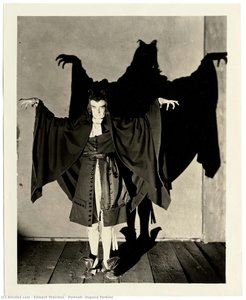 Portrait, Osgood Perkins1923
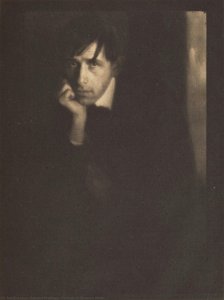 Portrait of Clarence White1905
Eseji o djelu Sunflower
 Pictorialism Unveiled: How the Aesthetic Revolution Transformed Photography into Fine ArtExplore the revolution of Pictorialism. Discover how visionary photographers moved beyond documentation to transform the lens into a fine a…
 19th Century Masterpieces: 10 Paintings That Defined an Era | OriginalUniqueArtJourney through 19th century art with OriginalUniqueArt! Explore 10 iconic paintings – from Monet & Renoir to Courbet – and discover the st…
 Sunlight on Canvas: The Radiant Symbolism of Yellow Flowers in Impressionist ArtExplore the profound symbolism of yellow flowers in Impressionist art through expert analysis. Discover the light of the masters today.