
 Pregledaj u stvarnoj veličini
 Pošalji
 Podijeli
 Detalji o umjetničkom djelu

 Preuzmi
 Slični predmeti
 Rentgenska snimka
 Automatska prezentacija
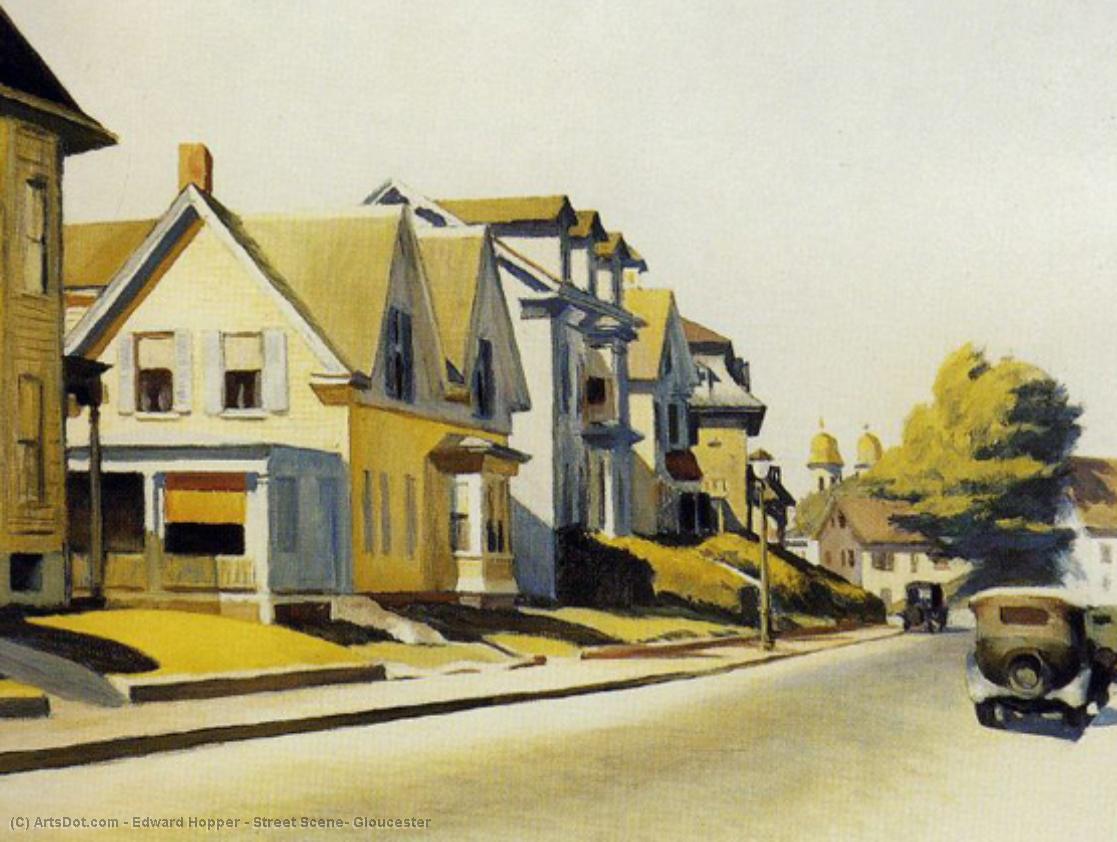
Street Scene, Gloucester

 Prikaži više
Kupite digitalnu sliku visoke rezolucije i poboljšane kvalitete, koja je znatno superiornija od online prikaza.
Svaka datoteka pedantno je pripremljena od strane naših internih stručnjaka koristeći napredne alate i vještinsku ručnu retušu. Osiguravamo da svaka slika ima iznimnu jasnoću, preciznu točnost boja i visoku razinu detalja.
Konačna datoteka dostavlja se putem e-pošte u roku od 72 sata, optimizirana za neposrednu upotrebu u profesionalnim, uredničkim i tiskarskim okruženjima. To je ista kvaliteta kojoj vjeruju vrhunski studiji dizajna, izdavači i galerije.
Digitalna slika
Preuzmite datoteku visoke rezolucije za osobnu izložbu, tisak i kreativne projekte. ( Pređi na tisak Prebacite se na ručno oslikano djelo)
Uključeno uz svaku narudžbu digitalne slike
Profesionalna digitalna dostava, zajamčena
Odabirom OriginalUniqueArt.com ne dobivate samo sliku – dobivate profesionalno unapređeno digitalno umjetničko djelo, izrađeno s najvećom preciznošću uz jamstvo zadovoljstva. Evo svega što automatski dolazi uz vašu narudžbu:

Brza dostava e-poštom
Vaša digitalna slika visoke rezolucije bit će vam poslana e-mailom u roku od 72 sata od narudžbe – spremna za neposrednu upotrebu.

Digitalna datoteka poboljšana AI-om
Vaše umjetničko djelo profesionalno je optimizirano pomoću naprednih AI alata i ručnog uređivanja, čime se osigurava maksimalna razina detalja, oštrine i točnosti boja.

Besplatna ponovna dostava doživotno
Slučajno ste obrisali ili izgubili svoju datoteku? Ne brinite – ponovno ćemo vam je poslati u bilo kojem trenutku, potpuno besplatno.

Bez uvoznih carina – ikada
Uživajte u svojim umjetničkim djelima trenutno, bez carina, pristojbi ili troškova dostave – digitalne datoteke uvijek su oslobođene poreza.

Jamstvo točnosti boja
Uz pomoć profesionalnih alata i upravljanja bojama, osiguravamo da vaša digitalna slika što vjernije odražava izvorne boje.

Jamstvo zadovoljstva u trajanju od 60 dana
Ako niste zadovoljni svojom digitalnom slikom, revidirat ćemo je ili vratiti 100% novca u roku od 60 dana – bez ikakvih pitanja.

100% Jamstvo povrata novca
Niste zadovoljni? Osigurajte puni povrat novca u roku od 60 dana od primitka vaše digitalne datoteke – bez suvišnih pitanja.

Popusti na velike narudžbe
Kupite 3 slike, uštedite 10% - Kupite 5 slika, uštedite 15% - Kupite 10+ slika, uštedite 20%. Odlično za kreativne projekte, galerije i agencije.
Opis kolekcionarskog djela
A Window Into Urban Loneliness: Exploring Edward Hopper’s “Street Scene, Gloucester”
Edward Hopper's "Street Scene, Gloucester," painted in 1931, isn’t merely a depiction of a suburban street; it’s a masterful distillation of the anxieties and quiet contemplations characteristic of American modernism. This watercolor captures a deceptively simple tableau – houses bathed in muted yellow light, parked cars punctuating the pavement, and two figures adrift amidst the stillness – yet within its unassuming surface lies a profound exploration of solitude and disconnection. Hopper's ability to convey emotion through visual cues is unparalleled, cementing his place as one of America’s most iconic artists.The Style and Technique: Precision Meets Atmosphere
Hopper’s distinctive style—often described as “American Realism”—rejects grand narratives or overtly expressive gestures in favor of meticulous observation and a carefully constructed atmosphere. Unlike Impressionists who sought to capture fleeting moments of light, Hopper painstakingly rendered details with precision, utilizing watercolor pigments to achieve subtle gradations of color and texture. The muted palette – predominantly yellows, browns, and whites – contributes significantly to the painting’s melancholic mood. Notice how Hopper employs directional lighting; a single window illuminates the interior space, casting shadows that emphasize emptiness and isolation. This technique isn't about photographic accuracy but rather about conveying psychological truth—the feeling of being alone in a populated environment.Historical Context: The Rise of Urban Isolation
“Street Scene, Gloucester” emerged during a period marked by significant social and economic transformations in the United States. Following the Great Depression, American society experienced unprecedented urbanization as people migrated from rural areas to cities seeking employment opportunities. Hopper’s work reflects this shift, capturing the pervasive sense of alienation that accompanied rapid industrialization and suburban sprawl. The painting speaks to the anxieties surrounding anonymity and the difficulty of forging meaningful connections in a world increasingly dominated by impersonal spaces. It's a visual embodiment of Henri Bergson’s concept of “duration,” emphasizing the subjective experience of time and consciousness—the feeling of being present but detached from one's surroundings.Symbolism Beyond the Surface: Reflections of Inner Turmoil
While seemingly straightforward, "Street Scene, Gloucester" is laden with symbolic resonance. The solitary figures represent individuals grappling with existential questions – searching for connection yet encountering only emptiness. The houses themselves symbolize domesticity and stability, but their muted colors and darkened interiors suggest a lack of warmth or intimacy. Even the parked cars serve as visual metaphors for stagnation and missed connections. Hopper’s masterful use of negative space—the areas devoid of color—amplifies these themes, creating a sense of profound stillness that underscores the emotional core of the piece. The fire hydrant is an unexpected element, perhaps representing practicality amidst the pervasive melancholy or hinting at a glimmer of hope within the bleak landscape.Emotional Impact: A Portrait of Modern Melancholy
Ultimately, “Street Scene, Gloucester” resonates deeply with viewers because it taps into universal human emotions—loneliness, longing, and contemplation. Hopper doesn’t offer easy answers or comforting illusions; instead, he presents a starkly honest portrayal of the human condition. The painting invites us to consider our own experiences of solitude and disconnection, prompting reflection on the complexities of modern life. Its enduring appeal lies in its ability to capture the quiet beauty of melancholy—a feeling that Hopper himself famously described as “the most beautiful emotion.” Reproductions of this artwork offer a powerful opportunity to bring this evocative image into any interior space, fostering contemplation and reminding us of the importance of observing the world around us with mindful awareness.Biografija umjetnika
Edward Hopper: A Master of American Realism
Edward Hopper, a name inextricably linked to the quietude and subtle melancholy that permeated 20th-century American life, wasn’t simply a painter of scenes; he was a poet of light and shadow, a chronicler of modern isolation. Born in Nyack, New York, in 1882, to middle-class parents of Dutch ancestry, Hopper's early years provided a stable upbringing that nurtured his artistic inclinations. From childhood sketches meticulously dated and signed, it became evident that keen observation and an innate talent for drawing were central to his being. Though initially encouraged towards commercial illustration – a pragmatic suggestion from his parents – Hopper’s ambitions leaned toward fine art, leading him to the New York School of Art where he studied under William Merritt Chase and Robert Henri. These formative years instilled not only technical skill but also an appreciation for realism and a commitment to depicting the world as he saw it—unvarnished and honest. The writings of Ralph Waldo Emerson resonated deeply with Hopper, reinforcing his sense of individualism and acute observation – qualities that would become hallmarks of his artistic vision. Early travels to Paris exposed him to Impressionism, yet Hopper quickly diverged from its fleeting brushstrokes, forging a path uniquely his own.Early Life and Artistic Beginnings
Hopper’s fascination with art began in childhood, fueled by a family tradition of sketching and drawing. He displayed remarkable talent from an early age, diligently documenting the world around him with meticulous detail—a habit that would continue throughout his life. Despite initial reservations about pursuing artistic endeavors due to familial pressure for a more conventional career path, Hopper remained steadfast in his desire to express himself creatively. His formal training at the New York School of Art solidified his foundational skills and exposed him to influential teachers who championed realism as an artistic ideal. William Merritt Chase instilled in him a disciplined approach to technique, emphasizing anatomical accuracy and tonal gradation—skills that would prove invaluable in his subsequent work. Robert Henri encouraged Hopper’s experimentation with expressive brushwork while simultaneously upholding the importance of capturing psychological truthfulness. These formative influences shaped Hopper's artistic sensibilities and established him on a trajectory toward producing art that transcended mere visual representation.Realism as Artistic Expression
Hopper distinguished himself from many of his contemporaries by rejecting Impressionistic techniques in favor of a rigorously realistic style—a stylistic choice driven by a profound conviction that art should faithfully reflect the world as it is perceived. He eschewed idealized forms and decorative embellishments, prioritizing clarity and precision to convey emotional resonance. Hopper’s canvases often depict solitary figures inhabiting unremarkable spaces—houses, diners, offices—yet these scenes radiate an atmosphere of palpable tension and unspoken longing. His masterful manipulation of light and shadow became a defining characteristic of his oeuvre, transforming ordinary environments into evocative landscapes imbued with psychological depth. He achieved this effect through careful tonal planning and meticulous blending techniques—skills honed during his years studying under Chase and Henri—resulting in paintings that captivate viewers not only aesthetically but also emotionally.Iconic Visions: Nighthawks and Beyond
While Hopper’s career unfolded gradually, certain works catapulted him to widespread recognition. Nighthawks (1942), arguably his most famous painting, became an instant icon of American culture. The late-night diner scene, bathed in stark fluorescent light, perfectly encapsulates the alienation and anonymity of modern urban life. The figures within are lost in their own thoughts, disconnected from one another despite their proximity—a poignant commentary on the human condition. Hopper’s printmaking, often overlooked, ran parallel to his painting, sharing similar themes and stylistic qualities, demonstrating his mastery across mediums. He wasn't interested in grand historical narratives or allegorical symbolism; he focused on the mundane, elevating it through careful observation and emotional resonance. House by the Railroad (1925), an early masterpiece, exemplifies this approach—a seemingly simple composition radiating a profound sense of isolation and mystery. Hopper’s printmaking, often overlooked, ran parallel to his painting, sharing similar themes and stylistic qualities, demonstrating his mastery across mediums. He wasn't interested in grand historical narratives or allegorical symbolism; he focused on the mundane, elevating it through careful observation and emotional resonance. Other notable works like *Gas*, *Automat*, and *Office in a Small City* each offer unique insights into the complexities of 20th-century American society. These paintings weren't merely depictions of places; they were explorations of mood, psychology, and the subtle dramas unfolding within ordinary settings.Legacy and Influence
Edward Hopper’s enduring legacy rests on his profound contribution to American art history—his unwavering commitment to realism as an artistic ideal and his ability to capture the psychological nuances of everyday life with unparalleled sensitivity. His paintings continue to resonate with audiences today because they speak to universal themes of loneliness, isolation, and the search for meaning in a rapidly changing world. Hopper’s influence extends far beyond the realm of painting, inspiring filmmakers (like Alfred Hitchcock) and writers who explore similar themes of alienation and psychological tension. He established himself as one of the most important artists of the 20th century—a visual poet whose work transcends time and continues to captivate viewers with its haunting beauty and intellectual depth. Hopper’s distinctive style has influenced countless painters, cementing his place as a pivotal figure in American art history. His ability to capture the essence of modern American life with honesty, sensitivity, and a stylistic vision that distinguishes him from many of his contemporaries ensures his enduring relevance—a testament to the power of art to illuminate the human condition.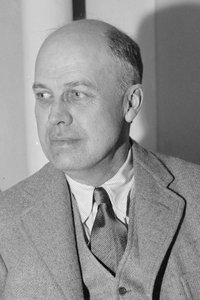
Edward Hopper
1931 - 1967 , Sjedinjene Američke Države
Kratke činjenice
- Artistic Movement Or Style: Realizam
- Artists Who Influenced This Artist:
- William Merritt Chase
- Robert Henri
- Date Of Birth: 22. srpnja 1882.
- Date Of Death: 15. svibnja 1967.
- Full Name: Edward Hopper
- Nationality: Američan
- Notable Artworks:
- Nighthawks
- Kuća pored pruga
- Benzinska stanica
- Place Of Birth: Nyack, SAD

