Contemporary Realism Contemporary Realism · 1912
squam light (Edward Hopper, 1912)
Edward Hopper (1882–1967) je izradio squam light. Datira iz 1912. Pripada pokretu Contemporary Realism Contemporary Realism. Izrađeno je u Acrylic On Canvas.
- 1912
- Acrylic On Canvas

 Pregledaj u realnoj veličini

 Ručno oslikano uljanim bojama
 Pošalji
 Podijeli
 Informativni list


 Preuzmi umjetničko djelo
 Slični predmeti
 Rentgenska snimka
 Slide show
 Pitanja i odgovori

 Statistika
squam light, ukratko
- Naslov
- squam light
- umjetnik
- Edward Hopper (1882–1967)
- Rođen/a u
- Upper Nyack, Sjedinjene Američke Države
- Datum
- 1912
- Tehnika
- Acrylic On Canvas
- Razdoblje
- 19th Century
- Tema
- lighthouse scene, coastal landscape, edward hopper, atmospheric light, solitude theme, american realism
Što prikazuje squam light?
A Study in Coastal Solitude: "Squam Light" by Edward Hopper
Edward Hopper’s “Squam Light,” painted in 1912, is more than just a depiction of a New England coastline; it's a carefully constructed meditation on isolation and the enduring presence of human endeavor against the vastness of nature. The painting immediately draws the viewer into a scene of quiet contemplation – a solitary lighthouse standing sentinel over a turbulent sea, its white form a beacon both literal and metaphorical. Hopper’s masterful use of light and shadow, hallmarks of his style, dramatically shapes the composition, emphasizing the stark geometry of the lighthouse against the diffuse, cloudy sky.
- Subject Matter: The primary subject is the iconic New England lighthouse, a symbol of guidance, safety, and connection. However, Hopper subtly subverts this traditional symbolism by presenting it in a state of quiet detachment.
- Composition: The placement of the houses – one prominent in the foreground, another receding into the distance – creates a sense of depth and invites the viewer to consider the lives unfolding within these modest dwellings.
Technique and Style: Hopper’s Realist Vision
Painted during a period when American realism was gaining prominence, “Squam Light” exemplifies Hopper's meticulous attention to detail and his ability to capture the essence of everyday life. His technique is characterized by precise brushwork and a restrained palette – primarily muted blues, grays, and whites – which contributes significantly to the painting’s melancholic mood. Hopper’s approach was rooted in observation; he spent considerable time studying the landscapes and people around him, translating his perceptions onto canvas with remarkable accuracy. The slightly hazy atmosphere, achieved through layering of paint, adds a sense of atmospheric perspective, further enhancing the realism of the scene.
Historical Context: A Moment of Transition
1912 marks a pivotal moment in American art history. Hopper was developing his distinctive style during this time, influenced by the burgeoning interest in depicting modern life and the growing awareness of urban alienation. The rise of industrialization and urbanization were beginning to reshape American society, leading to increased feelings of isolation and detachment – themes that would become central to Hopper’s oeuvre. This painting reflects a broader cultural shift towards introspection and a questioning of traditional values.
Symbolism and Emotional Impact
"Squam Light" resonates with viewers on an emotional level due to its inherent ambiguity. The lighthouse, though offering guidance, remains isolated; the houses suggest lives lived within quiet routines, perhaps lacking connection or purpose. Hopper’s work frequently explores themes of loneliness, alienation, and the search for meaning in a rapidly changing world. The painting's subdued palette and carefully constructed composition evoke a sense of melancholy and contemplation, inviting viewers to reflect on their own experiences of solitude and the relationship between humanity and the natural world. It is a powerful reminder of the quiet beauty and inherent sadness that can be found in even the most familiar landscapes.
Slike visoke rezolucije djela squam light
Zaštićeno autorskim pravima: ove datoteke služe za osobnu referencu, a ne kao licenca za ponovno objavljivanje.
Edward Hopper, squam light (1912).
Odgovori na pitanja o squam light
U kojoj je godini nastalo djelo "squam light" autora Edward Hopper?
"squam light" autora Edward Hopper nastalo je 1912.
Koja je tehnika korištena za "squam light" autora Edward Hopper?
Edward Hopper koristio je tehniku Acrylic On Canvas za "squam light". Ova tehnika definira materijalnu prirodu izvornog djela.
Što prikazuje "squam light" autora Edward Hopper?
"squam light" autora Edward Hopper prikazuje: lighthouse scene, coastal landscape, edward hopper, atmospheric light, solitude theme, american realism, nineteen eleven.
Je li prikaz "squam light" autora Edward Hopper u javnom vlasništvu?
Što se tiče autorskih prava, "squam light" je u i dalje je zaštićeno autorskim pravima.
Koji umjetnik se pripisuje djelu "squam light"?
Autorstvo djela "squam light" pripisuje se Edward Hopper.
Koji umjetnički pravac obuhvaća "squam light"?
"squam light" je djelo pokreta Contemporary Realism Contemporary Realism. Taj pokret označava umjetničku tradiciju kojoj ovo djelo pripada.
Pripada li "squam light" kojoj periodi umjetnikove karijere Edward Hopper?
Unutar karijere umjetnika Edward Hopper, djelo "squam light" pripada razdoblju Mature Period Mature Period. Ova faza omogućuje usporedbu s ostalim djelima tog umjetnika.
Koliko je godina Edward Hopper imao/la kada je stvorio/la "squam light"?
Edward Hopper je imao/la 30 godina u trenutku stvaranja djela "squam light" u 1912 godini. Dob je izračunata na temelju godine umjetnikovog rođenja, 1882.
Zašto je status autorskih prava za "squam light" takav kakav jest?
"squam light" autora Edward Hopper je u i dalje je zaštićeno autorskim pravima. Autorska prava traju od smrti umjetnika, koja se dogodila 1967.
O umjetniku, Edward Hopper
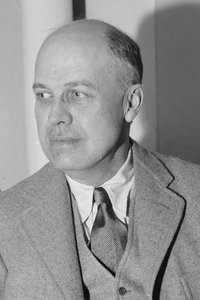
1882–1967, Sjedinjene Američke Države
Edward Hopper
Tišina američke scene Edward Hopper rođen je u mjestu Upper Nyack, Sjedinjene Američke Države. Njegove su rane godine obilježile promatranje svijeta istaknutim i nepokolebljivim pogledom, navikom koja je započela s dječjim skicama, pedantno datiranima i potpisanima. Dok su mu roditelji sugerirali praktičniji put u komercijalnoj ilustraciji, njegova je pažnja ostala usredotočena na likovnu umjetnost. Studirao je u New York School of Art pod mentorima kao što su William Merritt Chase i Robert Henri.
I ostalo djelo autora Edward Hopper
 Nighthawks, The Art Institute of Chicago, Chica1942
 Automat (mali)
 Kuća uz željeznicu1925
 New York Movie1939
Eseji o djelu squam light
 Harlem Renaissance vs. American Scene Painting: Defining Two Eras of US ArtDiscover the stylistic differences between Harlem Renaissance and American Scene Painting. Explore these iconic art movements now.
 American artworks of the 1940sIconic 1940s American works by Edward Hopper and Dorothea Lange. Explore the full collection online at OriginalUniqueArt.com.
 American artworks of the 1950sIconic 1950s American works by Edward Hopper and Richard Avedon define an era. Explore the full collection online at OriginalUniqueArt.com.