Contemporary Realism
Evening Wind (Edward Hopper)
Edward Hopper (1882–1967) je izradio Evening Wind. Pripada pokretu Contemporary Realism. Izrađeno je u Etching.
- Etching

 Pregledaj u realnoj veličini

 Ručno oslikano uljanim bojama
 Pošalji
 Podijeli
 Informativni list


 Preuzmi umjetničko djelo
 Slični predmeti
 Rentgenska snimka
 Slide show
 Pitanja i odgovori

 Statistika
Evening Wind, ukratko
- Naslov
- Evening Wind
- umjetnik
- Edward Hopper (1882–1967)
- Rođen/a u
- Upper Nyack, Sjedinjene Američke Države
- Tehnika
- Etching
- Pokret
- Contemporary Realism
- Razdoblje
- Modern
- Tema
- solitude, femininity, interior space, bedtime, darkness, light contrast
Što prikazuje Evening Wind?
Identification of Evening Wind by Edward Hopper
The scene unfolds in 1930, a moment frozen in the quietude of Evening Wind. Edward Hopper captures a singular instance of stillness, presenting a portrait of quiet contemplation that feels as though it is happening right now, just beyond the reach of the viewer. The air seems to hold its breath as the subject settles into a private, internal world.
In this work, Edward Hopper focuses on the weight of a single, unspoken thought. The composition centers on a woman, her presence defined by a sense of vulnerability and the soft, restless movement of fabric. It is a study of the human condition caught in a pause, where the external world recedes to make room for the gravity of the individual experience.
Composition and Visual Elements
The scene unfolds from a slightly elevated perspective, as if the viewer is looking down into a private, quiet moment. At the heart of this arrangement, a figure sits kneeling near the edge of a bed. The composition relies on a striking interplay of geometry and movement. Strong vertical lines rise from the bedpost, anchoring the space with a sense of structural permanence. These rigid, upright forms clash against the fluid, contrasting curves of the figure's body and the billowing fabric of the sheets.
A dynamic tension pulls at the eye, caught between the unyielding verticality of the furniture and the restless, sweeping motion of the draped cloth. Behind the woman, the world falls away into a dark, undefined space. This void pushes the subject forward, heightening the sense of isolation within the room. The arrangement directs all attention to the central figure, making the stillness of the woman feel heavy against the sudden, outward surge of the linens.
Technique and Material Details
The artist works with a steady hand, pressing a needle tool into a metal plate to etch fine, decisive lines. This process of drypoint etching or engraving requires a meticulous touch to transfer the image onto the surface, which is typically composed of copper or zinc. Every stroke of the needle carves a path for the ink, preparing the plate for the moment of contact with paper. There is a rhythmic precision in how these marks are laid down, capturing the subtle textures of the scene through sheer physical effort.
Once the plate is prepared, ink is applied across the surface, settling into the grooves and depressions created by the tool. The printing process pulls this ink onto the paper, revealing a world of tonal nuance. To build depth and define the forms of the woman and the billowing fabric, the artist employs extensive hatching and cross-hatching. These dense networks of fine lines create the illusion of shadow and light, allowing the eye to perceive volume and texture where there is only ink and paper. The interplay of these marks gives the sheets a sense of movement and the shadows a palpable weight.
Color Palette and Lighting Effects
The scene unfolds within a strict monochrome grayscale scheme. There is no color to distract the eye, only a deliberate arrangement of light and shadow. Shades of gray stretch from the deepest, ink-like blacks to the palest, most fragile whites. This limited range forces the viewer to focus on the essential architecture of the moment, emphasizing the heavy texture of the fabric and the sharp contours of the room. Every tonal shift defines a shape or a surface, making the interplay of light feel tangible.
An unseen source of illumination cuts through the stillness, casting dramatic shadows that stretch across the space. This light creates a sharp, heavy contrast between the bright highlights and the dark, receding corners. The way the light hits the billowing sheets and the figure's form gives the composition a sense of volume and depth. It is a study in how darkness can define a space just as clearly as the light itself, carving out a sense of presence within the quiet, shadowed interior.
Subject Matter and Emotional Themes
A private moment unfolds in the stillness of a room, centered on a woman kneeling beside a bed. She exists in a state of quiet contemplation, her posture revealing a profound sense of vulnerability. Around her, the sheets billow outward, caught in an unseen movement that suggests a sudden, restless energy. These shifting fabrics act as metaphors for an internal emotional turbulence, mirroring a spirit that cannot find rest even in the sanctuary of a domestic space.
The atmosphere carries a heavy weight of quiet melancholy. There is a palpable sense of solitude here, as if the air itself is thick with unspoken thoughts. The scene invites a feeling of longing, pulling the viewer into a space defined by introspection and the heavy silence of a life lived in the margins of the everyday. One wonders what occupies her mind in this solitary hour, as the shadows deepen around her figure.
Related Works by Edward Hopper
The artist's earlier explorations reveal a steady gaze that began long before this intimate moment. In 1903, an Edward Hopper Self-Portrait captures a younger version of the man who would eventually master the art of stillness. By 1912, the work squam light shows a developing eye for the way illumination interacts with its surroundings. These early pieces hint at the profound ability to find meaning in the quietude of a single scene.
Other works from his career echo the themes of solitude and the subtle tension of human presence. In Night on the El Train, a sense of silence settles between figures, much like the unspoken narratives found in domestic interiors. The artist also turned his attention to simpler, more direct subjects, such as the nautical scene in The Catboat. Each piece reflects a persistent interest in the intersection of physical space and the private, internal experiences of those caught within it.
Slike visoke rezolucije djela Evening Wind
Zaštićeno autorskim pravima: ove datoteke služe za osobnu referencu, a ne kao licenca za ponovno objavljivanje.
Edward Hopper, Evening Wind.
Odgovori na pitanja o Evening Wind
U kojoj je tehnici izvedeno djelo "Evening Wind" autora Edward Hopper?
Tehnika djela "Evening Wind" autora Edward Hopper je Etching. Reprodukcije imaju za cilj dočarati izgled ove tehnike.
Koje se teme pojavljuju u djelu "Evening Wind" autora Edward Hopper?
Motivi djela "Evening Wind" su solitude, femininity, interior space, bedtime, darkness, light contrast, domesticity, vulnerability.
Je li "Evening Wind" u javnom vlasništvu?
"Evening Wind" autora Edward Hopper je u i dalje je zaštićeno autorskim pravima. Ovaj status određuje način na koji se prikaz djela može reproducirati.
Koji umjetnik se pripisuje djelu "Evening Wind"?
Autor djela "Evening Wind" je Edward Hopper. Rad je katalogiziran pod imenom Edward Hopper.
Koji umjetnički pravac obuhvaća "Evening Wind"?
"Evening Wind" autora Edward Hopper pripada pokretu Contemporary Realism. Ovaj pokret pruža stilski kontekst djela.
U kojem se razdoblju karijere umjetnika Edward Hopper nalazi djelo "Evening Wind"?
"Evening Wind" pripada Mature Period u karijeri umjetnika Edward Hopper. Ova klasifikacija povezuje djelo s umjetnikovim stilskim razvojem.
Što objašnjava status autorskih prava za "Evening Wind" autora Edward Hopper?
"Evening Wind" autora Edward Hopper je u i dalje je zaštićeno autorskim pravima. Autorska prava traju od smrti umjetnika, koja se dogodila 1967.
Kako se "Evening Wind" uklapa u teme i stil umjetnika Edward Hopper?
"Evening Wind" pripada djelu Edward Hopper iz pokreta Contemporary Realism, čije su zabilježene teme uključivale realism, psychological depth, urban isolation, domestic tranquility, hopper’s signature style.
Gdje se "Evening Wind" nalazi među uobičajenim motivima umjetnika Edward Hopper?
Među zabilježenim temama umjetnika Edward Hopper – realism, psychological depth, urban isolation, domestic tranquility, hopper’s signature style – djelo "Evening Wind" donosi vlastiti fokus na solitude, femininity, interior space, bedtime, darkness, light contrast, domesticity, vulnerability.
O umjetniku, Edward Hopper
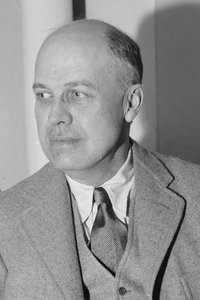
1882–1967, Sjedinjene Američke Države
Edward Hopper
Tišina američke scene Edward Hopper rođen je u mjestu Upper Nyack, Sjedinjene Američke Države. Njegove su rane godine obilježile promatranje svijeta istaknutim i nepokolebljivim pogledom, navikom koja je započela s dječjim skicama, pedantno datiranima i potpisanima. Dok su mu roditelji sugerirali praktičniji put u komercijalnoj ilustraciji, njegova je pažnja ostala usredotočena na likovnu umjetnost. Studirao je u New York School of Art pod mentorima kao što su William Merritt Chase i Robert Henri.
I ostalo djelo autora Edward Hopper
 Nighthawks, The Art Institute of Chicago, Chica1942
 Automat (mali)
 Kuća uz željeznicu1925
 New York Movie1939
Eseji o djelu Evening Wind
 Norwegian artworks of the 1920sNorwegian 1920s art by Edvard Munch and Nikolai Astrup defines an era of expressionism. View the full collection online at OriginalUniqueAr…
 Edward Hopper: 25 Remek-djela Usamljenosti i Američkog Realizma | OriginalUniqueArt.comUronite u svijet Edwarda Hoppera! Otkrijte 25 remek-djela američkog realizma, priče iza ikoničnih slika i tajne svjetla i sjene. Reprodukci…
 The Incised Line: A Technical and Historical Study of Intaglio PrintmakingMaster the technical nuances of intaglio, from engraving to mezzotint. Explore the history of the recessed line now.