
 Pregledaj u realnoj veličini
 Pošalji
 Podijeli
 Detalji o umjetničkom djelu
 Vodič
Vodič

 Preuzmi umjetničko djelo
 Slični predmeti
 Rentgenska snimka
 Slide show
 Q&A
Q&A Statistika
Dancing Geisha


 Prikaži više
Giclée / Umjetnički otisak
Giclée tisak muzejske kvalitete ili otisak na platnu uz brzu izradu i raznolike opcije završne obrade. ( Kupi ručno oslikano djelo Prebacite na digitalnu sliku)




































Odaberite jednu od naših unaprijed definiranih veličina koje odgovaraju izvornim proporcijama umjetničkog djela.

Unesite potrebnu širinu i visinu kako bi odgovarali vašem okviru ili zidu. Print se može samo izrezati, nikada ne može biti veći od slike, stoga format s drugačijim omjerom stranica uzrokuje gubitak dijela slike. Prije bilo kakve štampe šaljemo vam digitalni prikaz (mockup) na odobrenje. Slika prikazana na ovoj stranici ne prikazuje stvarni rez — to prikazuje isključivo digitalni prikaz.
Dostava širom svijeta () u roku od 2 tjedna umjesto standardnih 4/5 tjedana. (31 Listopad)

Besplatna ekspresna dostava širom svijeta

Visokokvalitetno laneno platno

Potpuno osiguranje dostave

Jamstvo povrata carine i uvoznih poreza

Jamstvo vjernosti boja

Politika povrata u roku od 100 dana (samo u slučaju nedostataka)

Jamstvo povrata 100% novca

Popust na više proizvoda
 Opcija stakla dostupna je samo za dimenzije manje od 110 cm

Dancing Geisha
Giclée / Umjetnički otisak
Veličina reprodukcije
-


Ukupna cijena
€ 71
A Glimpse of Grace: Edward Atkinson Hornel's "Dancing Geisha"
This captivating oil painting transports viewers to a serene moment in Japanese culture. Depicting a young woman adorned in traditional attire, the artwork embodies an impressionistic style that prioritizes atmosphere and fleeting beauty over rigid detail. The subject, a geisha seemingly caught mid-dance or gesture, exudes grace and elegance against a softly blurred background suggestive of a tranquil garden or courtyard setting. Hornel masterfully uses gestural brushstrokes to convey movement and spontaneity, creating a sense of life and energy within the composition. This isn't merely a portrait; it’s an evocative impression of a cultural moment.Impressionistic Technique & Decorative Splendor
Hornel’s technique is deeply rooted in Impressionism, evident in his layering of paint directly onto the canvas and his emphasis on capturing light and shadow. The thick impasto application creates a rich tactile quality, inviting viewers to appreciate the physicality of the paint itself. He was known for his innovative use of texture, boldly employing techniques like loading, scraping, roughening, and staining the canvas – a collaborative approach honed during his partnership with George Henry. This painting exemplifies that decorative splendor, prioritizing vibrant color and expressive brushwork over photographic realism. The shallow perspective further enhances the dreamlike quality, drawing focus to the central figure and her captivating presence.Historical Context & Artistic Influences
Painted in 1894, "Dancing Geisha" reflects a period of growing fascination with Japanese art and culture within Europe. The late 19th century witnessed Japonism – a significant influence on Western artists who were captivated by the aesthetics of Japanese woodblock prints (ukiyo-e) and decorative arts. Hornel, associated with the “Glasgow Boys,” a group of Scottish artists known for their progressive approach to art, absorbed these influences while maintaining his own distinctive style. Having studied in Antwerp under Professor Verlat, he brought a European sensibility to his depictions of Eastern subjects, creating a unique fusion of styles. His cousin, James Hornell, was also an artist and explorer who contributed to the understanding of Pacific cultures, further enriching Edward's artistic perspective.Symbolism & Emotional Resonance
Beyond its aesthetic appeal, "Dancing Geisha" is rich in subtle symbolism. The intricate patterns on the kimono are not merely decorative; they likely hold cultural significance, hinting at the geisha’s status and artistry. The fan, a quintessential element of Japanese culture, represents femininity, elegance, and perhaps even a carefully guarded secret. The diffused lighting and soft shadows contribute to an overall feeling of tranquility and introspection. This painting evokes a sense of quiet beauty, inviting viewers to contemplate the grace and mystery inherent in Japanese tradition while experiencing the subjective impression of a fleeting moment captured with remarkable skill. It’s a piece that resonates emotionally, offering a glimpse into another world through the eyes of a talented artist.Pitanja i odgovori
Tko je izradio "Dancing Geisha" i kada?
"Dancing Geisha" je djelo autora Edward Atkinson Hornel iz 1894. godine.
U kojoj se fazi stvaralaštva umjetnika Edward Atkinson Hornel nalazi djelo "Dancing Geisha"?
Unutar karijere umjetnika Edward Atkinson Hornel, djelo "Dancing Geisha" pripada razdoblju Mature Period. Ova faza omogućuje usporedbu s ostalim djelima tog umjetnika.
Je li "Dancing Geisha" autora Edward Atkinson Hornel u javnom vlasništvu?
"Dancing Geisha" autora Edward Atkinson Hornel je u u javnom vlasništvu – autorska prava su istekla. Ovaj status određuje način na koji se prikaz djela može reproducirati.
Biografija umjetnika
The Vibrant Legacy of Edward Atkinson Hornel
Edward Atkinson Hornel stands as a luminous figure in the tapestry of late Victorian and early twentieth-century Scottish art, a painter whose brush captured the delicate intersection of nature and culture. Though his journey began in Bacchus Marsh, Victoria, Australia, his soul was deeply rooted in the rugged beauty of Scotland. Following his family's return to Kirkcudbright in 1866, Hornel’s artistic identity began to coalesce through rigorous formal training at the Edinburgh Art School and later in Antwerp under the guidance of Professor Verlat. This foundational period instilled in him a profound respect for botanical precision and the structural integrity of landscape, elements that would remain central even as his style evolved toward the more experimental and atmospheric.
Upon returning to Scotland in 1885, Hornel found a kindred spirit in George Henry, a partnership that would become a cornerstone of the influential Glasgow Boys movement. Together, they sought to break away from the stale academic traditions of the era, favoring instead a bold, expressive approach to color and texture. Their collaborative masterpiece, “Druids Bringing In The Mistletoe” (1890), serves as a testament to this period of radical experimentation. In this work, Hornel demonstrated an extraordinary mastery over the paint surface itself, utilizing techniques such as layering, scraping, roughening, and staining to create a tactile, rhythmic quality that prioritized emotional resonance and expressive effect over mere photographic accuracy.
The Influence of Japonisme and Aesthetic Refinement
A transformative epoch in Hornel’s career arrived between 1893 and 1894, when he and Henry embarked on a journey to Japan. This immersion into Japanese culture acted as a profound catalyst, reshaping his artistic sensibilities through the lens of Japonisme. The principles of decorative design, flattened spatial arrangements, and the poetic use of negative space found in Japanese prints began to permeate his canvases. His work transitioned from the heavy textures of his earlier years toward a more refined, atmospheric aesthetic characterized by harmonious color palettes and a nuanced approach to drawing.
This period of refinement is beautifully captured in works such as “Japanese Figures in a Garden” (1896) and “Dancing Geisha.” In these paintings, the artist moves beyond simple representation to evoke a sense of serene, fleeting beauty. He masterfully employs soft colors and gentle brushstrokes to depict traditional Japanese attire and tranquil garden settings, creating scenes that feel both intimate and otherworldly. The influence of the East allowed Hornel to blend the lushness of the Scottish landscape with a sophisticated, decorative elegance, making his work uniquely recognizable within the broader Impressionist movement.
A Life Immersed in Art and Heritage
Hornel’s commitment to his craft was matched by his devotion to his home and community. His residence, Broughton House in Kirkcudbright, became more than just a dwelling; it was a sanctuary where architecture and aesthetic passion were inextricably linked. Having remodeled the townhouse in 1901, he lived within a space that reflected his own artistic evolution—a blend of Victorian grandeur and personal, decorative flair. Despite his growing fame, Hornel remained a dedicated member of the Glasgow Art Club, choosing to exhibit there annually rather than seeking the formal validation of the Royal Scottish Academy.
The historical significance of Edward Atkinson Hornel lies in his ability to bridge the gap between traditional landscape painting and the modern, decorative impulses of the early twentieth century. His legacy is defined by several key artistic contributions:
- Textural Innovation: The pioneering use of manipulation techniques like scraping and staining to create expressive, tactile surfaces.
- Cultural Synthesis: The seamless integration of Japanese aesthetic principles—such as spatial arrangement and color harmony—into the Scottish landscape tradition.
- The Glasgow Boys Movement: His role in revitalizing Scottish art by moving away from academic realism toward a more vibrant, impressionistic vision.
- Botanical Sensibility: A lifelong dedication to capturing the intricate beauty of flora and foliage with both scientific detail and poetic grace.
Through his evocative depictions of gardens, flowers, and figures, Hornel left behind a body of work that continues to enchant viewers with its sense of peace, movement, and enduring beauty.

Edward Atkinson Hornel
1864 - 1933 , Australia
Osnovne informacije
- Full Name: Edward Atkinson Hornel
- Nationality: Scottish
- Date Of Birth: 1864
- Date Of Death: 1933
- Place Of Birth: Australia
- Notable Artworks:
- Japanese Figures in a Garden
- Dancing Geisha
- Artistic Movement Or Style: Glasgow Boys
- Artists Who Influenced This Artist:
- James Hornell
- George Henry
- Artists Or Movements Influenced By This Artist:
- Impressionism
- Japonisme
Srodni članci

Edward Hopper: 25 Remek-djela Usamljenosti i Američkog Realizma | OriginalUniqueArt.com
Uronite u svijet Edwarda Hoppera! Otkrijte 25 remek-djela američkog realizma, priče iza ikoničnih slika i tajne svjetla i sjene. Reprodukcije vrhunske kvalitete za vaš dom na OriginalUniqueArt.com

The Enduring Power of Painting: A Historical & Contemporary Exploration of Form and Emotion
Explore the rich history & enduring techniques of oil painting with OriginalUniqueArt. Discover masterpieces, learn about art collecting, and find authentic handmade reproductions crafted by skilled artists.
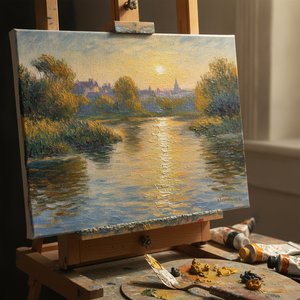
The Soul of Impressionism: Why Oil on Canvas Captures Eternal Light and Timeless Emotion
Discover the enchanting alchemy of Impressionism. Explore how the mastery of oil on canvas, through glazing and impasto, captures eternal light and emotion. Perfect for lovers of Monet and Van Gogh seeking the profound depth of hand-painted fine art.

The Enduring Legacy of Oil on Canvas: Technique, History & Aesthetic Impact
Explore the rich history & techniques of oil painting – from Renaissance masters to Impressionism. Discover pigments, layering methods, and why this timeless medium endures. Expert insights for artists & art enthusiasts.

Oil on Canvas: A Historical & Technical Exploration of a Timeless Artistic Medium
Explore the rich history & enduring techniques of oil painting on canvas. Discover the science behind its longevity, conservation practices, and contemporary relevance. Expert insights for art enthusiasts.