
 Pregledaj u realnoj veličini
 Pošalji
 Podijeli
 Detalji o umjetničkom djelu
 Vodič
Vodič

 Preuzmi umjetničko djelo
 Slični predmeti
 Rentgenska snimka
 Slide show
 Q&A
Q&A Statistika
The Dead Mother and Child

- 32.0 x 49.0 cm


 Prikaži više
Giclée / Umjetnički otisak
Giclée tisak muzejske kvalitete ili otisak na platnu uz brzu izradu i raznolike opcije završne obrade. ( Kupi ručno oslikano djelo Prebacite na digitalnu sliku)




P118B €10

P118H €10

P118W €10

P438Z €10

P508JH €12

P508YH €12

P805H €10

P805Z €10

P919BZ €10

P919G €10

P919XJ €10

P959ZH €10

P968JZ €12

W106C €8

W218G €10

W218JH €8

W218Y €10

W307PJ €10

W316G €10

W316PJ €8

W316Y €10

W398PJ €8

W4111J €10

W500HY €15

W500JH €15

W692G €12

W849H €8

W940BG €15

W953PJ €8




Odaberite jednu od naših unaprijed definiranih veličina koje odgovaraju izvornim proporcijama umjetničkog djela.

Unesite potrebnu širinu i visinu kako bi odgovarali vašem okviru ili zidu. Print se može samo izrezati, nikada ne može biti veći od slike, stoga format s drugačijim omjerom stranica uzrokuje gubitak dijela slike. Prije bilo kakve štampe šaljemo vam digitalni prikaz (mockup) na odobrenje. Slika prikazana na ovoj stranici ne prikazuje stvarni rez — to prikazuje isključivo digitalni prikaz.
Dostava širom svijeta () u roku od 2 tjedna umjesto standardnih 4/5 tjedana. (31 Listopad)

Besplatna ekspresna dostava širom svijeta

Visokokvalitetno laneno platno

Potpuno osiguranje dostave

Jamstvo povrata carine i uvoznih poreza

Jamstvo vjernosti boja

Politika povrata u roku od 100 dana (samo u slučaju nedostataka)

Jamstvo povrata 100% novca

Popust na više proizvoda
 Opcija stakla dostupna je samo za dimenzije manje od 110 cm

The Dead Mother and Child
Giclée / Umjetnički otisak
Veličina reprodukcije
-


Ukupna cijena
€ 71
A Visceral Encounter with Grief
In the quiet, somber depths of Edvard Munch’s 1901 masterpiece, The Dead Mother and Child, viewers are not merely observers of a scene, but witnesses to an intimate tragedy. This haunting work stands as one of the most evocative pillars of the Expressionist movement, stripping away the decorative comforts of art to reveal a raw, unflinching confrontation with existential dread. The painting captures a moment of profound stillness—a heavy, suffocating silence that follows the departure of life. Through a stark, almost monochromatic palette of earthy browns and muted beiges, Munch establishes an atmosphere of deep melancholy, mirroring the artist’s own turbulent inner landscape and his lifelong preoccupation with the fragility of human existence.
The composition is masterfully engineered to evoke a sense of confinement and vulnerability. By utilizing a horizontal format, Munch emphasizes the daunting length of the bed, creating a visual path that leads the eye across the lifeless form of the mother toward the small, trembling figure of the child. There is a deliberate imbalance in this arrangement; the child stands slightly off-center, a solitary figure caught in the shadow of loss. This spatial tension reflects the isolation inherent in grief, making the artwork an incredibly powerful piece for those who appreciate art that explores the profound complexities of the human psyche and the weight of shared sorrow.
The Language of Line and Symbolism
Munch’s technique in this work transcends mere representation, moving into the realm of psychological portraiture. He employs a dualistic approach to line that serves as a visual metaphor for emotional states. The mother’s face is rendered with smoother, more tranquil lines, suggesting a peaceful surrender to death and a release from suffering. In stark contrast, the child’s presence is defined by jagged, chaotic, and agitated strokes. These restless lines weave through the child's hair and clothing, acting as a visual embodiment of fear, confusion, and the frantic energy of a spirit unable to comprehend the permanence of loss.
Every element within the frame is laden with symbolic weight. Perhaps the most poignant gesture is that of the child covering their eyes—a desperate, instinctive attempt to shield themselves from the unbearable reality of death. This movement transforms the painting from a simple depiction of a funeral scene into a universal symbol of the human struggle to face mortality. For collectors and interior designers, this piece offers more than just aesthetic value; it provides a profound narrative depth that can serve as a focal point in spaces dedicated to contemplation, intellectual rigor, or the celebration of emotive, historical storytelling.
An Enduring Legacy of Expressionism
To understand The Dead Mother and Child is to understand the birth of modern emotional expression. Emerging from a period of disillusionment with the fleeting light of Impressionism, Munch sought to capture what lay beneath the surface—the "inner life" that remains when all pretenses are stripped away. The artwork’s stylistic roots in Expressionism allow it to resonate across generations, as its themes of loss and the vulnerability of childhood remain timelessly relevant. The heavy use of etching-like lines and tonal variations gives the piece a textured, almost tactile quality that brings the somber mood into the physical space of the viewer.
Whether displayed as a high-quality reproduction in a curated gallery or as a soulful addition to a sophisticated residential collection, this work continues to command attention. It is an invitation to sit with discomfort, to acknowledge the shadows, and to find beauty in the honest portrayal of the human condition. For those seeking to decorate with intention, Munch’s work offers an unparalleled opportunity to integrate a piece of art history that is as intellectually stimulating as it is emotionally transformative.
Pitanja i odgovori
Je li "The Dead Mother and Child" u cjelini svjetliji ili tamniji?
Zabilježene vrijednosti za "The Dead Mother and Child" autora Edvard Munch su: svjetlina brilliant, luminancija Bright Balance.
Koja je dominantna boja djela "The Dead Mother and Child" autora Edvard Munch?
Golden Yellow Range nijansa prožima "The Dead Mother and Child" autora Edvard Munch.
Koliko ljudi gleda "The Dead Mother and Child"?
Postoji Statistika pregleda stranica za "The Dead Mother and Child". Ona prikazuje mjesečne posjete umjetničkom djelu i drugim djelima umjetnika, uz podelu prema zemljama i jezicima.
Biografija umjetnika
Život u sjeni: Svijet Edvarda Muncha
Edvard Munch, rođen 1863. godine usred surove ljepote norveških krajolika, bio je umjetnik čije se djelo zauvijek povezalo s anksioznošću i emocionalnom turbulencijom modernog doba. Njegov život, duboko obilježen gubitkom i sveprisutnim osjećajem melanholije, bio je izvor njegove izrazito ekspresivne umjetnosti. Od djetinjstva u sjeni ranih smrti majke i sestre – obje žrtve tuberkuloze – Munch je razvio opsjednutost smrtnošću, bolešću i krhkosti ljudskog postojanja. Ta iskustva nisu bila samo biografske činjenice; ona su postala srž njegove umjetničke vizije, potičući neumorni istraživački put u unutarnji krajolik straha, tuge i čežnje. Očev strogi religiozni uvjerenja i vlastite borbe s mentalnim bolestima dodatno su doprinijeli osjećaju užasa koji je proimao Munchov svijet, oblikujući ne samo njegov osobni život, već i simbolički jezik njegovih slika. On nije jednostavno prikazivao scene; on je vanizirao unutarnje stanje, prevodeći psihološku tjeskobu u vizualne oblike.
Početak ekspresije: Utjecaji i umjetnički razvoj
Munchova umjetnička putovanja započela su formalnim obrazovanjem na Kraljevskoj školi za umjetnost i dizajn u Kristianiji (Oslo), no pravi poticaj njegovoj kreativnosti dala je susret s boemskim krugovima i nihlističkom filozofijom Hansa Jægera. Jæger ga je potaknuo da napusti konvencionalne akademske stilove i umjesto toga uroni u dubine vlastitog subjektivnog iskustva, koncept koji je on nazvao "slikanje duše". Ovaj ključni trenutak označio je početak Munchovog prepoznatljivog stila – obilježenog sirovim emocijama, izobličenim oblicima i odbacivanjem naturalističke reprezentacije. Njegova putovanja u Pariz 1890-ih izložila su ga procvjetavajućem pokretu postimpresionizma, gdje je upio utjecaje umjetnika poput Paula Gauguina, Vincenta van Gogha i Henria de Toulouse-Lautreca. Smjela upotreba boja, ekspresivne poteze kistom i psihološka intenzivnost ovih majstora duboko su odjeknula u Munchovim vlastitim umjetničkim nagonima. On nije samo oponjao njihove tehnike; on ih je sintetizirao u nešto jedinstveno – vizualni jezik sposoban prenijeti najdublje i najsmutnije ljudske emocije. Njegovo vrijeme u Berlinu također se pokazalo ključnim, dovodeći ga u kontakt s dramatikom Augustom Strindbergom, čija je istraživanja psiholoških tema dodatno potaknula Munchove umjetničke istrage.
Ikonične vizije: Glavna djela i simbolička težina
Munchovo djelo nastanjeno je slikama koje su postale duboko ukorijenjene u kolektivnoj svijesti. Krik, možda njegovo najpoznatije djelo, nadilazi status slike da postane univerzalni simbol egzistencijalne anksioznosti. Spirala, vatrene krajolike i izobličeno lice figure utjelovljuju prvobitni vapaj protiv ravnodušnosti svemira. Madonna, kontroverzno i duboko osobno djelo, istražuje teme seksualnosti, majčinstva i smrtnosti s uznemiravajućom iskrenošću. Ponovljeni motivi poput Bolesnog djeteta – inspiriranog gubitkom njegove sestre Sophie – služe kao bolni podsjeti na Munchovu dječju traumu i stalnu prijetnju smrti. Melanholija I & II, snažna prikazivanja duboke tuge i izolacije, otkrivaju ranjivost koja je istovremeno duboko osobna i univerzalno relatable. Ta djela nisu samo reprezentacije vanjske stvarnosti; oni su prozori u dušu umjetnika, nudeći gledateljima neustrašiv pogled u najmračnije kutke ljudske pshe.
Trajna ostavština: Povijesni značaj i trajni utjecaj
Edvard Munchov doprinos modernoj umjetnosti je nemjerljiv. Stoji kao ključna figura u razvoju ekspresionizma, otvarajući put umjetnicima koji su prioritet dali subjektivne emocije nad objektivnom reprezentacijom. Njegovo neustrašeno istraživanje univerzalnih ljudskih iskustava – ljubavi, gubitka, anksioznosti i smrti – nastavlja odjekivati kod publike i danas, čvrsto utvrđujući njegovo mjesto kao jedne od najutjecajnijih i trajnijih figura u povijesti umjetnosti. Njegov rad je duboko utjecao na sljedeće generacije umjetnika, utječući na pokrete poput njemačkog ekspresionizma i dalje. On se usudio suočiti se s mračnijim aspektima ljudske kondicije, izazivajući konvencionalne ideje o ljepoti i umjetničkoj reprezentaciji. Čak i nakon što je postigao slavu i priznanje – kulminirajući osnivanjem Munchovog muzeja u Oslovu – njegov osobni život je ostao turbulentan, obilježen razdobljima mentalne nestabilnosti i izolacije. Ipak, kroz sve to, nastavio je stvarati, ostavljajući iza sebe djelo koje i dalje potiče, izaziva i inspirira.
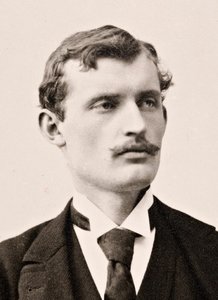
Edvard Munch
1863 - 1944 , Švedska
Osnovne informacije
- Datum Rođenja: 12. prosinca 1863.
- Datum Smrti: 23. siječnja 1944.
- Državljanstvo: Norvežanin
- Mjesto Rođenja: Ådalsbruk, Švedska
- Pokreti/Umjetnici Pod Utjecajem: ['Njemački ekspresionizam']
- Puno Ime: Edvard Munch
- Umjetnički Pokret: Ekspresionizam
- Utjecajni Umjetnici:
- Paul Gauguin
- Van Gogh
- Toulouse-Lautrec
- Značajna Djela:
- Krik
- Madonna
- Bolesno dijete
- Melankolija I & II
Srodni članci
Earthy Hues & Masterpieces: Top 10 Paintings with 'Mushroom' Tones |
Explore 10 iconic paintings with captivating 'mushroom' tones! Discover Van Gogh, Monet & Rembrandt’s masterpieces—earthy palettes, rich history & artistic techniques. Find museum-quality art reproductions and curated decor ideas at
Sandy Brown Masterpieces: 10 Iconic Paintings & Timeless Decor Ideas
Explore 10 iconic paintings bathed in captivating sandy brown tones! From Rembrandt to Monet, discover the stories behind these timeless masterpieces & find museum-quality art reproductions for your home. Explore the full collection on OriginalUniqueArt.com.
Rosy Brown Hues: 10 Master Paintings & Timeless Decor Ideas |
Explore 10 iconic paintings bathed in captivating rosy brown tones! From Rembrandt to Titian, discover the stories behind these masterpieces & their warm color palettes. Find museum-quality art reproductions and decor inspiration at .
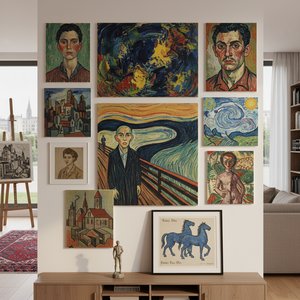
Glavnih 10 Ekspresionista: Remek-djela koja su definirala umjetnički pokret
Otkrijte 10 remek-djela ekspresionizma koja su obilježila umjetnički svijet! Uronite u priče Muncha, Kirchnera i drugih majstora. Inspirirajte se bojama i emocijama – pronađite savršenu reprodukciju za svoj dom na OriginalUniqueArt.com!
Egon Schiele: 25 Remek-djela Ekspresionizma za Vaš Dom | OriginalUniqueArt
Istražite 25 najpoznatijih djela Egona Schielea! Otkrijte ekspresionističke portrete, autoportrete i simbolizam u austrijskoj umjetnosti. Kvalitetne reprodukcije slika za vaš dom na OriginalUniqueArt.com.


