
 Pregledaj u stvarnoj veličini
 Pošalji
 Podijeli
 Detalji o umjetničkom djelu

 Preuzmi
 Slični predmeti
 Rentgenska snimka
 Automatska prezentacija
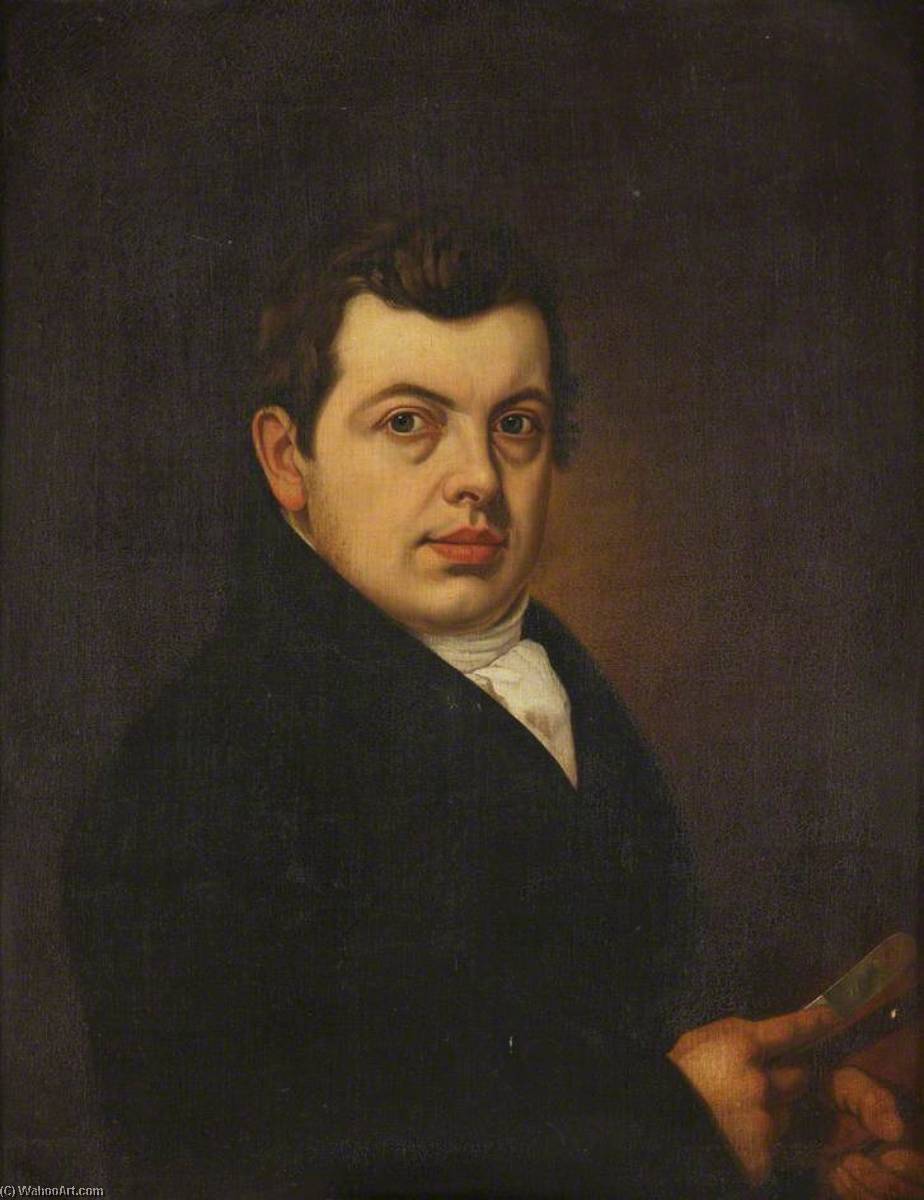
Self Portrait
 1827
1827 80.0 x 66.0 cm
 Prikaži više
Giclée / Umjetnički otisak
Giclée tisak muzejske kvalitete ili otisak na platnu uz brzu proizvodnju i fleksibilne opcije završne obrade. ( Kupi ručno naslikanu sliku Kupi digitalnu sliku)




































Odaberite jednu od naših unaprijed definiranih veličina koje odgovaraju izvornim proporcijama umjetničkog djela.

Možete unijeti vlastite dimenzije kako biste umjetničko djelo prilagodili specifičnom okviru ili prostoru. Ako odabrana veličina ne odgovara proporcijama izvornog rada, izrezat ćemo dio slike ili je proširiti pomoću ogledalnog efekta ili jednobojne rubne površine. Digitalni prikaz (mockup) bit će vam poslan na odobrenje prije početka proizvodnje.
Imajte na umu da pregled na zaslonu ne odražava stvarno izrezivanje ili proširivanje. Samo će mockup točno prikazati konačnu kompoziciju.
Iako su dostupne prilagođene veličine, preporučujemo odabir dimenzije iz unaprijed definirane liste kako biste očuvali izvorne proporcije.
Dostava širom svijeta () u roku od 2 tjedna umjesto standardnih 4/5 tjedana. (30 Kolovoz)

Besplatna ekspresna dostava širom svijeta

Visokokvalitetno laneno platno

Potpuno osiguranje dostave

Jamstvo povrata carine i uvoznih poreza

Garancija vjernog podudaranja boja

Politika povrata u roku od 60 dana (samo u slučaju nedostataka)

Jamstvo povrata 100% novca

Popust na više proizvoda
 Opcija stakla dostupna je samo za dimenzije manje od 110 cm

Self Portrait
Giclée / Umjetnički otisak
Veličina reprodukcije
-


Ukupna cijena
$ 80
Biografija umjetnika
The Quiet Observer: Edmund Ward Gill and the English Landscape
Edmund Ward Gill (1794–1868) was an artist whose work serves as a profound, intimate window into the soul of nineteenth-century British life. While his name may not command the thunderous headlines reserved for the giants of the Romantic era, his canvases possess a quietly assured grace that captures the subtle textures of both person and place. Born in London, Gill’s artistic foundation was built upon the rigorous discipline of traditional methods. His early journey was defined by a deliberate apprenticeship under the established portrait painter Thomas Busby, a formative period that instilled in him a meticulous attention to detail and a reverence for capturing the true essence of his subjects. This technical grounding would later become the hallmark of his most celebrated works, ranging from his deeply personal self-portraits to his dignified depictions of prominent historical figures such as Sir Charles Napier.
As his career matured, Gill’s artistic spirit began to drift away from the formal constraints of purely academic portraiture, drawn instead by the burgeoning influence of the Romantic movement. This era, which celebrated the sublime beauty of nature and the individual's emotional connection to the wilder world, provided the catalyst for Gill to explore the expansive English countryside. His formative years in Devon played a pivotal role in this evolution; surrounded by dramatic coastlines and rolling hills, he developed an unparalleled sensitivity to the interplay of light, shadow, and atmosphere. He did not merely seek to document a view, but rather to convey a palpable mood—a sense of connection to something much larger than oneself. This is most exquisitely realized in his many depictions of the River Dart, where he masterfully captured the river's shifting character, from the tranquil, silver stillness of dawn to the turbulent, energetic rush of an approaching storm.
A Legacy of Rural Harmony and Animal Portraiture
Beyond the sweeping vistas of the English landscape, Gill found immense beauty in the humble, rhythmic scenes of rural existence. He possessed a rare ability to elevate the everyday, finding profound harmony in the quiet corners of farm life. His work often focused on the peaceful coexistence of humans and animals, characterized by a warmth that evokes a sense of comfort and nostalgia. One of his most striking achievements in this vein is his depiction of livestock, such as his celebrated Hereford Cow. In such works, Gill utilizes a rich palette of warm colors to create a sense of coziness within the barnyard setting. He meticulously renders the texture of hay and the soft presence of animals, often surrounding them with smaller elements like chickens to add a touch of natural dynamism to an otherwise tranquil scene.
The technical brilliance of his later works lies in this ability to balance realism with emotion. Whether he was painting a detailed portrait of W.W. Gill or the dignified Thomas Andrew Knight, his brushwork remained rooted in the precision learned from Busby, yet infused with the atmospheric depth inspired by the natural world. His legacy is not merely found in the subjects he chose, but in the way he invited the viewer to slow down and observe the quiet dignity of the world around them. Through his eyes, the English landscape became more than just scenery; it became a living, breathing entity, captured with a tenderness that continues to resonate with those who seek beauty in the understated and the authentic.

edmund ward gill
1794 - 1868
Osnovne informacije
- Artistic Movement Or Style: Portraiture, Dog Art
- Artists Or Movements Influenced By This Artist: ['Conservative Art']
- Artists Who Influenced This Artist: ['David Cox']
- Date Of Birth: 1794
- Date Of Death: 1868
- Full Name: Edmund Ward Gill
- Nationality: British
- Notable Artworks:
- PORTRAIT OF SIR CHARLES NAPIER
- A HOUND BY A KENNEL
- On the Lledr, North Wales

