

 Pregledaj u stvarnoj veličini
 Pošalji
 Podijeli
 Detalji o umjetničkom djelu

 Preuzmi
 Slični predmeti
 Rentgenska snimka
 Automatska prezentacija
 Statistika
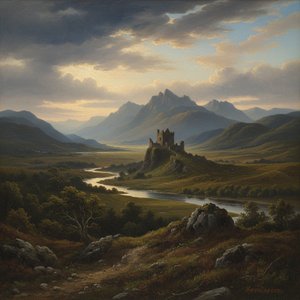
Linlithgow Palace
 Romantic Landscape
 1855
1855 46.0 x 65.0 cm
 Prikaži više
Ručno rađena uljana reprodukcija
Ručno oslikano uljanim bojama na platnu u dimenzijama i okviru po vašem izboru, izrađeno po narudžbi od strane naših umjetnika. ( Prebacite na print Prebacite na digitalnu sliku)




































Odaberite jednu od naših unaprijed definiranih veličina koje odgovaraju izvornim proporcijama umjetničkog djela.

Možete unijeti vlastite dimenzije kako bi odgovarale određenom okviru ili prostoru. Ako odabrana veličina ne odgovara proporcijama izvorne slike, izrezat ćemo umjetničko djelo ili proširiti sliku dodatnim ručno oslikanim elementima. Digitalni nacrt bit će vam poslan na odobrenje prije početka proizvodnje.
Imajte na umu da pregled na ekranu ne prikazuje stvarno izrezivanje ili proširivanje. Samo će nacrt točno prikazati konačni sastav.
Iako su dostupne prilagođene veličine, preporučujemo odabir dimenzije s preddefiniranog popisa kako bismo očuvali izvorne proporcije.
Nakon narudžbe, tim OriginalUniqueArt.com kontaktirat će klijenta putem e-pošte radi dobivanja uputa te dostaviti probni prikaz (mockup).
Isporuka širom svijeta () u roku od 3-4 tjedna umjesto standardnih 5 tjedana. (17 Rujan). Bez kompromisa u kvaliteti.

Besplatna ekspresna dostava širom svijeta

Visokokvalitetno laneno platno

Potpuno osiguranje dostave

Jamstvo povrata carine i uvoznih poreza

Garancija vjernog podudaranja boja

Politika povrata u roku od 100 dana (samo u slučaju nedostataka)

Jamstvo povrata 100% novca

Popust na više proizvoda
 Opcija stakla dostupna je samo za dimenzije manje od 110 cm

Linlithgow Palace
Tehnika reprodukcije
Veličina reprodukcije
-


Ukupna cijena
$ 300
Biografija umjetnika
Early Life and Artistic Beginnings
Edmund Thornton Crawford, born in 1806 at Cowden near Dalkeith, Scotland, embarked on a path that would establish him as one of the most celebrated landscape and marine painters of his era. His initial foray into the world of art wasn’t through formal training but rather an apprenticeship to a house-painter in Edinburgh. However, it quickly became apparent that Crawford possessed a natural aptitude and burgeoning passion for painting—a talent too significant to be confined to domestic decoration. This led to his enrollment at the Trustees' Academy under the tutelage of Andrew Wilson, where he found himself amongst a cohort of future artistic luminaries including David Octavius Hill and Robert Scott Lauder.
It was within the walls of the academy that Crawford forged a particularly close bond with William Simson, an older student who became his mentor and guiding force. Their shared sketching expeditions proved invaluable, instilling in Crawford a deep appreciation for observation and a refined understanding of artistic technique. His early works began to surface at the Royal Institution, marking the nascent stages of a career that would soon captivate audiences with its evocative depictions of the Scottish countryside.
Formative Influences and Dutch Masters
While initially exhibiting scenes of the Lowland Scottish landscape, Crawford’s artistic trajectory took a pivotal turn with his travels to the Netherlands. These journeys weren't merely geographical shifts but profound immersions into the world of 17th-century Dutch painting. He meticulously studied the works of masters like Van de Velde and Hobbema, absorbing their techniques for capturing light, atmosphere, and the subtle nuances of nature. This influence became a defining characteristic of his style—a picturesque quality that blended realism with an impressionistic sensibility.
The Dutch Masters’ emphasis on detailed observation and atmospheric perspective resonated deeply with Crawford, shaping his approach to both landscape and marine subjects. He wasn't simply replicating scenes; he was striving to convey the *feeling* of a place—the crispness of the air, the play of light on water, the weight of clouds in the sky. This dedication to capturing the essence of nature would become a hallmark of his work.
A Rising Star and Academic Recognition
Crawford’s contributions to the annual exhibitions of the Royal Scottish Academy steadily gained recognition throughout the 1830s. Although not among the academy's founding members, he was elected an associate in 1839, solidifying his position within the Scottish art establishment. This period saw him continue to explore Scottish landscapes and coastal scenes, building a repertoire of subjects that showcased his growing mastery.
However, it wasn’t until 1848, with his election as an academician, that he unveiled what many consider his breakthrough work: ‘Eyemouth Harbour.’ This painting—a dynamic depiction of maritime life and the rugged beauty of the Scottish coast—immediately established him as a leading landscape painter. It was followed by a series of equally compelling works, including ‘A View on the Meuse,’ ‘A Fresh Breeze,’ and ‘River Scene and Shipping, Holland,’ each demonstrating his unique ability to blend detailed realism with atmospheric depth.
Legacy and Historical Significance
Edmund Thornton Crawford’s art stands as a testament to the power of observation, the influence of artistic tradition, and the enduring appeal of the Scottish landscape. He wasn't merely documenting scenes; he was interpreting them through a lens informed by Dutch Masters yet distinctly his own.
His paintings offer a glimpse into 19th-century Scotland—a world of bustling harbors, serene riverscapes, and dramatic coastal views. His ability to capture the essence of nature, combined with his technical skill and picturesque style, earned him a devoted following and cemented his place in art history.
- Key Characteristics: Picturesque style influenced by Dutch Masters; detailed realism blended with atmospheric depth; evocative depictions of Scottish landscapes and marine scenes.
- Major Works: ‘Eyemouth Harbour,’ ‘A View on the Meuse,’ ‘A Fresh Breeze,’ ‘River Scene and Shipping, Holland.’
- Historical Significance: Crawford’s work represents a significant contribution to 19th-century Scottish landscape painting, bridging the gap between traditional realism and impressionistic sensibilities.
Crawford's later years saw him settle in Lasswade, continuing to contribute regularly to the RSA exhibitions until 1877. He passed away in 1885, leaving behind a legacy of paintings that continue to captivate and inspire—a testament to his enduring artistic vision.

edmund thornton crawford
1806 - 1885
Osnovne informacije
- Artistic Movement Or Style: Landscape & Marine Painting
- Artists Who Influenced This Artist:
- Andrew Wilson
- William Simson
- Dutch Masters
- Date Of Birth: 1806
- Date Of Death: 1885
- Full Name: Edmund Thornton Crawford
- Nationality: Scottish
- Notable Artworks:
- Eyemouth Harbour
- View on the Meuse
- A Fresh Breeze
- Portsmouth Harbour
- Place Of Birth: Cowden, Scotland
Srodni članci
Alexander Nasmyth: Picturing Scotland's Romantic Landscape – Innovation & Identity
Explore the life & art of Alexander Nasmyth, a pivotal figure in Scottish Romantic landscape painting. Discover his iconic works, including portraits of Robert Burns, and learn about his lasting influence on national identity. Fine art reproductions available.

The Sublime and the Picturesque: Exploring Emotion & Nature in Romantic Landscape Painting
Explore the emotional power of Romantic landscape painting! Discover the sublime & picturesque traditions, key artists like Friedrich & Cole, and find your perfect artwork at OriginalUniqueArt.

Glavna 10 Remek-djela Romantizma: Uljepšajte Svoj Dom Umjetnošću
Otkrijte 10 remek-djela romantizma koja su definirala pejzažno slikarstvo! Uronite u svijet Friedricha, Turnera i Aivazovskog. Inspirirajte svoj interijer vrhunskim umjetničkim djelima. Kupujte reprodukcije na OriginalUniqueArt.com!

John Constable: 25 Remek-djela Engleskog Majstora Krajolika | OriginalUniqueArt
Uronite u svijet John Constabla! Otkrijte 25 remek-djela engleskog romantizma i pejzaža. Ekskluzivne reprodukcije slika, zidna dekoracija & inspiracija za dizajn interijera na OriginalUniqueArt.com. Istražite cijelu kolekciju online!

Evocations of Place: A Historical Journey Through Landscape Art
Explore the rich history of landscape art with OriginalUniqueArt. Discover renowned artists, movements like Impressionism & Romanticism, and expert guidance for collecting timeless pieces. Find your perfect serene escape today!