
 Pregledaj u stvarnoj veličini
 Pošalji
 Podijeli
 Detalji o umjetničkom djelu

 Preuzmi
 Slični predmeti
 Rentgenska snimka
 Automatska prezentacija
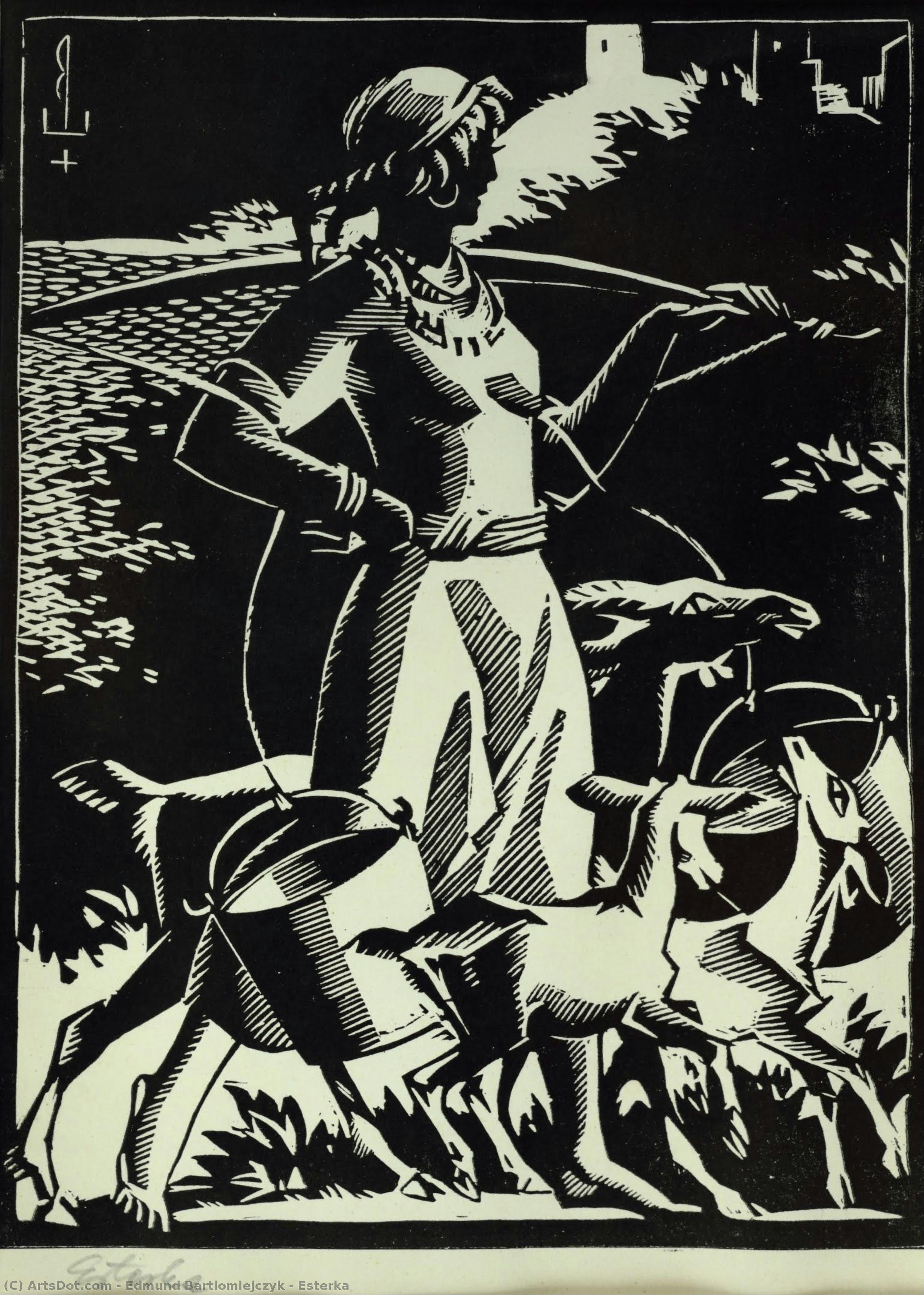
Esterka


 Prikaži više
Ručno rađena uljana reprodukcija
Ručno oslikano uljanim bojama na platnu u dimenzijama i okviru po vašem izboru, izrađeno po narudžbi od strane naših umjetnika. ( Pređi na tisak Prebacite na sliku)




































Odaberite jednu od naših unaprijed definiranih veličina koje odgovaraju izvornim proporcijama umjetničkog djela.

Možete unijeti vlastite dimenzije kako bi odgovarale određenom okviru ili prostoru. Ako odabrana veličina ne odgovara proporcijama izvorne slike, izrezat ćemo umjetničko djelo ili proširiti sliku dodatnim ručno oslikanim elementima. Digitalni nacrt bit će vam poslan na odobrenje prije početka proizvodnje.
Imajte na umu da pregled na ekranu ne prikazuje stvarno izrezivanje ili proširivanje. Samo će nacrt točno prikazati konačni sastav.
Iako su dostupne prilagođene veličine, preporučujemo odabir dimenzije s preddefiniranog popisa kako bismo očuvali izvorne proporcije.
Nakon narudžbe, tim OriginalUniqueArt.com kontaktirat će klijenta putem e-pošte radi dobivanja uputa te dostaviti probni prikaz (mockup).
Isporuka širom svijeta () u roku od 3-4 tjedna umjesto standardnih 5 tjedana. (4 Kolovoz). Bez kompromisa u kvaliteti.

Besplatna ekspresna dostava širom svijeta

Visokokvalitetno laneno platno

Potpuno osiguranje dostave

Jamstvo povrata carine i uvoznih poreza

Garancija vjernog podudaranja boja

Politika povrata u roku od 60 dana (samo u slučaju nedostataka)

Jamstvo povrata 100% novca

Popust na više proizvoda
 Opcija stakla dostupna je samo za dimenzije manje od 110 cm

Esterka
Tehnika reprodukcije
Veličina reprodukcije
-


Ukupna cijena
$ 300
Biografija umjetnika
Edmund Bartłomiejczyk: A Painter of Everyday Life and River Landscapes
Edmund Bartłomiejczyk (5 November 1885 – 2 September 1950 Warsaw, Poland) was a Polish painter whose distinctive style captured the essence of rural life and particularly the serene beauty of river landscapes. Born in Łódź, Poland, he pursued his artistic ambitions with unwavering dedication throughout his lifetime, leaving behind a legacy of evocative paintings that continue to resonate with viewers today. Bartłomiejczyk’s formative years were marked by exposure to Impressionistic influences—particularly those championed by Claude Monet and Pierre-Auguste Renoir—which instilled in him a fascination for capturing fleeting moments of light and color. This aesthetic sensibility would become a cornerstone of his artistic vision, guiding his approach to portraying scenes from the Polish countryside. He meticulously observed the rhythms of daily life, depicting farmers tending their fields, children playing by the riverbanks, and families gathered around hearth fires—subjects rendered with remarkable sensitivity and detail. His technique involved layering thin washes of pigment onto canvas, creating luminous surfaces that conveyed a palpable sense of atmosphere. Bartłomiejczyk skillfully utilized complementary colors to heighten visual impact and achieved textural nuances through subtle brushstrokes. Unlike many artists of his era who favored grand narratives or idealized representations, Bartłomiejczyk’s focus remained firmly grounded in the tangible realities of rural Poland—a deliberate choice that speaks volumes about his artistic convictions. Bartłomiejczyk gained recognition for his contribution to the art competition at the 1932 Summer Olympics held in Berlin. His painting “Esterka” was displayed alongside works from other artists representing nations across Europe, showcasing Polish artistic talent on an international stage. This participation solidified his reputation as a respected figure within the Polish art community and ensured that his work would be remembered for its honest portrayal of human experience. Beyond the Olympics, Bartłomiejczyk’s oeuvre includes notable pieces like “Rafts on the Vistula” and “Quarrymen of Purbeck, Dorset.” These paintings exemplify his masterful command of color and composition—particularly evident in "Rafts on the Vistula," where he skillfully captures the misty reflections of trees on the surface of the river. His dedication to capturing natural beauty cemented his place as one of Poland’s foremost landscape painters. Bartłomiejczyk's artistic legacy extends beyond individual artworks; it embodies a humanist impulse—a desire to depict ordinary people and places with dignity and compassion. He remains an important artist for understanding Polish art history and the Impressionistic movement's impact on European painting.
edmund bartlomiejczyk
1885 - 1950 , Poland
Osnovne informacije
- Artistic Movement Or Style: Realism
- Artists Or Movements Influenced By This Artist: ['European Painting']
- Artists Who Influenced This Artist: ['Henryk Tanworth Wells']
- Date Of Birth: November 5, 1885
- Date Of Death: September 2, 1950
- Full Name: Edmund Bartłomiejczyk
- Nationality: Polish
- Notable Artworks:
- Esterka
- Rafts on the Vistula
- Place Of Birth: Warsaw, Poland

