

 Pregledaj u stvarnoj veličini
 Pošalji
 Podijeli
 Detalji o umjetničkom djelu

 Preuzmi
 Slični predmeti
 Rentgenska snimka
 Automatska prezentacija
 Statistika
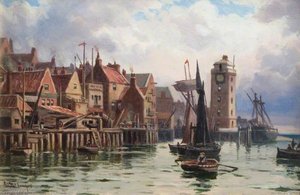
Self Portrait
 1890
1890 31.0 x 26.0 cm
 South Shields Museum And Art Gallery
 Prikaži više
Ručno rađena uljana reprodukcija
Ručno oslikano uljanim bojama na platnu u dimenzijama i okviru po vašem izboru, izrađeno po narudžbi od strane naših umjetnika. ( Prebacite na print Prebacite na digitalnu sliku)




































Odaberite jednu od naših unaprijed definiranih veličina koje odgovaraju izvornim proporcijama umjetničkog djela.

Možete unijeti vlastite dimenzije kako bi odgovarale određenom okviru ili prostoru. Ako odabrana veličina ne odgovara proporcijama izvorne slike, izrezat ćemo umjetničko djelo ili proširiti sliku dodatnim ručno oslikanim elementima. Digitalni nacrt bit će vam poslan na odobrenje prije početka proizvodnje.
Imajte na umu da pregled na ekranu ne prikazuje stvarno izrezivanje ili proširivanje. Samo će nacrt točno prikazati konačni sastav.
Iako su dostupne prilagođene veličine, preporučujemo odabir dimenzije s preddefiniranog popisa kako bismo očuvali izvorne proporcije.
Nakon narudžbe, tim OriginalUniqueArt.com kontaktirat će klijenta putem e-pošte radi dobivanja uputa te dostaviti probni prikaz (mockup).
Isporuka širom svijeta () u roku od 3-4 tjedna umjesto standardnih 5 tjedana. (15 Rujan). Bez kompromisa u kvaliteti.

Besplatna ekspresna dostava širom svijeta

Visokokvalitetno laneno platno

Potpuno osiguranje dostave

Jamstvo povrata carine i uvoznih poreza

Garancija vjernog podudaranja boja

Politika povrata u roku od 100 dana (samo u slučaju nedostataka)

Jamstvo povrata 100% novca

Popust na više proizvoda
 Opcija stakla dostupna je samo za dimenzije manje od 110 cm

Self Portrait
Tehnika reprodukcije
Veličina reprodukcije
-


Ukupna cijena
$ 300
Biografija umjetnika
The Tempestuous Soul of the North Sea
Duncan Fraser Mclea (1841–1916) remains a pivotal figure in the annals of Scottish marine art, a master whose brush captured the very heartbeat of the turbulent North Sea. Born in Edinburgh during an era defined by the sweeping emotional currents of Romanticism, Mclea’s life and work were deeply intertwined with the Victorian fascination with the sublime. His artistic journey was not merely one of technical progression but a profound exploration of the awe-inspiring power of nature. Through his eyes, the sea was never a static backdrop; it was a living, breathing entity, capable of both terrifying destruction and desolate grandeur.
The foundations of Mclea’s mastery were laid under the guidance of Robert Watson, a respected landscape painter whose influence is etched into every tonal gradation and atmospheric nuance found in Mclea's oeuvre. From Watson, he inherited a disciplined appreciation for how light interacts with mist and spray, a skill that would become essential when depicting the heavy, salt-laden air of the Scottish coastlines. As he honed his craft at the Royal Scottish Academy, Mclea moved beyond mere imitation, developing a distinctive visual language that favored gritty realism over idealized beauty. He sought to document the raw, unvarnished truth of the maritime experience, where the boundary between the sky and the churning deep is often lost in a haze of storm and spray.
A Symphony of Shadow and Salt
To encounter a Mclea seascape is to be swept into a drama of light and motion. His technique was characterized by a sophisticated duality: he employed a loose, expressive brushstroke to capture the frantic energy of crashing waves, yet balanced this with meticulous layering to achieve a remarkable textural depth and luminosity. This interplay allowed him to render the heavy weight of water and the ephemeral quality of sea foam with equal conviction. His palette was famously bold, dominated by deep, brooding blues and emerald greens that conveyed the immense pressure and cold intensity of a North Sea gale.
Mclea’s compositions were masterfully engineered to evoke a sense of overwhelming scale. Eschewing traditional, centered stability, he frequently utilized dynamic diagonals and asymmetrical arrangements. These structural choices guide the viewer’s gaze across expansive, restless vistas, often pulling the eye toward the focal point of a struggle—be it a solitary vessel battling the swell or the jagged silhouette of an exposed cliffside. His work avoids the purely decorative; instead, every stroke serves the purpose of conveying emotion, inviting the observer to confront the sublime experience of facing forces far greater than human comprehension.
Legacy of the Maritime Sublime
The historical significance of Duncan Fraser Mclea lies in his ability to bridge the gap between traditional maritime documentation and the emotional depth of Romantic expressionism. While many of his contemporaries focused on the picturesque or the tranquil, Mclea leaned into the chaos. His depictions of shipwrecks and coastal storms—such as his evocative renderings of Marsden Bay or the tragic Wreck of the Barque 'Jacob Rothenberg'—serve as haunting reminders of the precariousness of life on the edge of the ocean.
His enduring legacy is found in the way he transformed the North Sea from a mere geographic location into a psychological landscape. Through his commitment to capturing the essence of nature through meticulous observation, Mclea ensured that the roar of the waves and the salt-stained atmosphere of 19th-century Scotland would remain eternally preserved on canvas. He remains a cornerstone of Scottish marine art, a painter who did not just observe the storm, but invited us all to feel its power.
duncan fraser mclea
1841 - 1916
Osnovne informacije
- Artistic Movement Or Style: Marine Art
- Artists Or Movements Influenced By This Artist: ['Romanticism']
- Artists Who Influenced This Artist:
- William Turner
- Albert Bierstadt
- Date Of Birth: 1841
- Date Of Death: 1916
- Full Name: Duncan Fraser Mclea
- Nationality: Scottish
- Notable Artworks:
- The Tempest
- North Sea Coast
- Place Of Birth: Scotland