

 Kupi otisak Kupi digitalnu sliku
 Pošalji
 Podijeli
 Detalji o umjetničkom djelu
 Dodaj u omiljene

 Preuzmi
 Slični predmeti
 Rentgenska snimka
 Automatska prezentacija
Untitled
 Mixed Media
- WallArt
- Contemporary Art
 1995
1995- Contemporary
 36.0 x 48.0 cm
 MoMA - Museum of Modern Art
 Prikaži više
Ručno rađena uljana reprodukcija
Ručno oslikano uljanim bojama na platnu u dimenzijama i okviru po vašem izboru, izrađeno po narudžbi od strane naših umjetnika.




P118B $10

P118H $10

P118W $10

P438Z $10

P508JH $12

P508YH $12

P805H $10

P805Z $10

P919BZ $10

P919G $10

P919XJ $10

P959ZH $10

P968JZ $12

W106C $8

W218G $10

W218JH $8

W218Y $10

W307PJ $10

W316G $10

W316PJ $8

W316Y $10

W398PJ $8

W4111J $10

W500HY $15

W500JH $15

W692G $12

W849H $8

W940BG $15

W953PJ $8




Odaberite jednu od naših unaprijed definiranih veličina koje odgovaraju izvornim proporcijama umjetničkog djela.

Možete unijeti vlastite dimenzije kako bi odgovarale određenom okviru ili prostoru. Ako odabrana veličina ne odgovara proporcijama izvorne slike, izrezat ćemo umjetničko djelo ili proširiti sliku dodatnim ručno oslikanim elementima. Digitalni nacrt bit će vam poslan na odobrenje prije početka proizvodnje.
Imajte na umu da pregled na ekranu ne prikazuje stvarno izrezivanje ili proširivanje. Samo će nacrt točno prikazati konačni sastav.
Iako su dostupne prilagođene veličine, preporučujemo odabir dimenzije s preddefiniranog popisa kako bismo očuvali izvorne proporcije.
Nakon narudžbe, tim OriginalUniqueArt.com kontaktirat će klijenta putem e-pošte radi dobivanja uputa te dostaviti probni prikaz (mockup).
Isporuka širom svijeta () u roku od 3-4 tjedna umjesto standardnih 5 tjedana. (18 Srpanj). Bez kompromisa u kvaliteti.

Besplatna ekspresna dostava širom svijeta

Visokokvalitetno laneno platno

Potpuno osiguranje dostave

Jamstvo povrata carine i uvoznih poreza

Garancija vjernog podudaranja boja

Politika povrata u roku od 60 dana (samo u slučaju nedostataka)

Jamstvo povrata 100% novca

Popust na više proizvoda
 Opcija stakla dostupna je samo za dimenzije manje od 110 cm

Untitled
Tehnika reprodukcije
Veličina reprodukcije
-


Ukupna cijena
-
Opis umjetničkog djela
Exploring Absence: Doris Salcedo’s “Untitled” Cabinet Sculpture
The artwork "Untitled," created by Colombian sculptor Doris Salcedo in 1995, transcends mere visual representation; it embodies a profound meditation on loss and remembrance—themes deeply rooted in Salcedo's personal journey amidst Colombia’s protracted armed conflict. More than just an aesthetically pleasing object, this piece serves as a poignant commentary on the enduring scars of trauma and displacement, prompting viewers to confront uncomfortable truths about human experience.The Sculpture's Form and Materiality
At its core lies a simple wooden cabinet—a commonplace item transformed into a vessel for contemplation. Salcedo meticulously selected cedarwood, known for its durability and subtle grain patterns, reflecting both resilience and vulnerability. The cabinet’s dimensions – 36 x 48 cm – are deliberately understated, emphasizing the intimacy of the sculptural intervention. Upon its surface rests a delicate vase filled with rose petals—a deliberate juxtaposition of fragility against solidity. This pairing isn't accidental; it symbolizes the paradoxical nature of grief—the outward appearance of stillness concealing an inner turmoil. The artist’s skillful manipulation of material speaks volumes about her artistic philosophy: embracing imperfection and finding beauty within limitations.A Reflection of Colombian History
Salcedo’s artistic impetus stems directly from witnessing the disappearance of her father during Colombia's civil war—a formative experience that instilled in her a visceral understanding of absence and its devastating consequences. This personal trauma informs her broader exploration of collective mourning, mirroring the pervasive grief experienced by countless Colombians affected by violence and instability. The sculpture’s creation coincided with a period of intense political upheaval, reflecting the anxieties and uncertainties of a nation grappling with conflict and searching for ways to honor those lost. Salcedo utilizes these experiences as inspiration to convey the pain of loss and displacement.Symbolism and Emotional Resonance
The vase filled with rose petals represents not only beauty but also fragility—a visual metaphor for the ephemeral nature of life and the vulnerability inherent in human relationships. The cedarwood cabinet symbolizes strength and endurance, yet its unassuming form underscores the importance of confronting difficult emotions without fanfare. Salcedo’s intention is to provoke introspection and encourage viewers to consider how silence and stillness can hold immense emotional weight. “Untitled” compels us to acknowledge the unspoken grief that shapes our lives and reminds us that even seemingly insignificant objects can bear witness to profound human suffering.Technical Considerations
Salcedo's technique prioritizes understated elegance, focusing on meticulous craftsmanship rather than elaborate ornamentation. The smooth surface of the cabinet is achieved through careful sanding and polishing—a deliberate choice designed to minimize visual distraction and maximize the impact of the sculptural element. Similarly, the vase’s placement is thoughtfully considered, creating a harmonious balance between form and content. This restrained approach underscores Salcedo's belief that true artistic expression lies in conveying emotion with subtlety and precision.- Artist: Doris Salcedo
- Year Created: 1995
- Medium: Cedarwood Cabinet Sculpture
- Dimensions: 36 x 48 cm
Biografija umjetnika
Doris Salcedo: Sculpting Absence and Bearing Witness
Doris Salcedo, born in Bogota, Colombia in 1958, is a visual artist whose work delves into profound themes of trauma, loss, and remembrance—subjects inextricably linked to her personal experiences navigating the turbulent political landscape of Colombia. Her artistic practice isn’t merely about representation; it's an active engagement with grief and its enduring impact on individuals and communities.Early Life and Influences: The Echoes of Displacement
Salcedo’s formative years were marked by significant familial upheaval—the disappearance of her father during the Colombian armed conflict. This experience instilled within her a deep sensitivity to themes of absence and displacement, shaping her artistic vision and informing her exploration of vulnerability. Witnessing firsthand the devastating consequences of political violence fueled her desire to confront difficult emotions and create spaces for collective mourning. Influenced by artists like Louise Bourgeois and Eva Hesse, Salcedo’s early explorations embraced sculptural forms that mirrored the fragility and instability inherent in human experience.Artistic Style and Techniques: Transforming Everyday Objects
Salcedo distinguishes herself through her distinctive approach to material—primarily utilizing commonplace items such as wooden furniture, clothing, concrete slabs, grass blades, and rose petals. Rather than concealing these materials beneath layers of paint or glaze, she presents them in their raw state, transforming them into powerful symbols of trauma and memory. This technique isn’t simply stylistic; it's conceptual – Salcedo seeks to disrupt conventional notions of beauty and elevate the mundane to the level of profound artistic expression. Her sculptures often incorporate perforations and incisions, mirroring the wounds inflicted by violence and highlighting the scars left on both individuals and landscapes. The deliberate use of these materials underscores her commitment to confronting uncomfortable truths and fostering dialogue about suffering.Notable Works and Exhibitions: Confronting Pain Through Form
Salcedo’s artistic trajectory gained international recognition with monumental installations like “Shibboleth,” a series of perforations drilled into concrete slabs—a visceral response to the ongoing conflict in Colombia. These works serve as visual representations of silenced voices and shattered narratives, prompting viewers to contemplate the repercussions of violence on human lives and environments. Her subsequent projects include "Fragmentos," commissioned by the Guggenheim Foundation, which further solidified her reputation as a pioneering sculptor exploring themes of grief and resilience. Exhibitions at institutions such as The Hastings Museum and Art Gallery in the United Kingdom showcased Salcedo’s ability to communicate complex emotions through sculptural forms—a testament to her artistic vision's enduring relevance. You can find more about her work on https://OriginalUniqueArt.com/@/doris-salcedo, where her creative journey is meticulously documented.Legacy and Significance: Sculpting Remembrance
Doris Salcedo’s contribution to contemporary art lies in her unwavering commitment to confronting difficult emotions and advocating for human rights through artistic expression. Her sculptures aren't merely aesthetically striking; they are emotionally resonant investigations into the psychological impact of trauma—a courageous undertaking that elevates everyday materials into instruments of remembrance and compels audiences to engage with uncomfortable realities. Salcedo’s work continues to inspire artists and scholars alike, cementing her place as a pivotal voice in shaping our understanding of grief, loss, and the importance of bearing witness to injustice.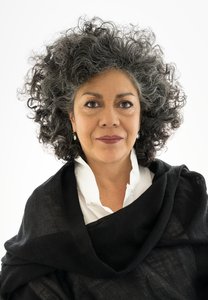
Doris Salcedo
1958 - , Colombia
Osnovne informacije
- Artistic Movement Or Style: Contemporary Sculpture
- Artists Or Movements Influenced By This Artist: ['']
- Artists Who Influenced This Artist: ['']
- Date Of Birth: 1958
- Full Name: Doris Salcedo
- Nationality: Colombian
- Notable Artworks:
- años de la pérdida
- La casa viuda IV
- Atrabiliarios
- Place Of Birth: Bogota, Colombia
Srodni članci
25 Remek-djela Metropolitana: Umjetnička Baština za Vaš Dom | OriginalUniqueArt.com
Istražite 25 najpoznatijih remek-djela Metropolitana u New Yorku! Otkrijte priče Van Gogha, Moneta i drugih majstora. Inspirirajte se za dekoraciju doma s luksuznim reprodukcijama slika na OriginalUniqueArt.com.

Bronze Sculptures That Defined Art History | OriginalUniqueArt
Journey through art history with our Top 10 bronze sculptures! Explore masterpieces by Rodin, Michelangelo & more. Discover stories behind iconic statues and find museum-quality reproductions for your home decor at OriginalUniqueArt.com.
25 Remek-djela Detroit Institute of Artsa: Umjetnost za vaš dom | OriginalUniqueArt
Istražite 25 najpoznatijih remek-djela Detroit Institute of Artsa! Otkrijte priče Van Gogha, Moneta i drugih majstora. Reprodukcije slika vrhunske kvalitete za vaš dom. Inspiracija za interijer na OriginalUniqueArt.com

Bronze Age to Modern Masters: 10 Sculptures That Redefined Art | OriginalUniqueArt
Journey through art history with 10 legendary bronze sculptures – from Michelangelo's David to Rodin’s Thinker. Explore the stories, techniques & timeless beauty of these masterpieces. Find museum-quality reproductions & elevate your home decor on OriginalUniqueArt.com.
25 Remek-djela Nacionalne galerije umjetnosti u Washingtonu: Inspiracija za vaš dom
Otkrijte 25 remek-djela Nacionalne galerije u Washingtonu! Istražite priče iza Cézannea, Matissea i Picassa. Inspirirajte se za dekoraciju doma s luksuznim reprodukcijama slika na OriginalUniqueArt.com.

