

 Podijeli
 Podijeli
 Detalji
 Vodič
Vodič

 Preuzmi datoteku
 Slični predmeti
 Slide show
 Statistika
Cantoria
 Marble
- Sculpture
- Early Renaissance
 1439
1439 348.0 x 570.0 cm
 Museo dell'Opera del Duomo
 Pročitajte više
Giclée / Umjetnički otisak
Giclée tisak muzejske kvalitete ili otisak na platnu uz brzu proizvodnju i fleksibilne opcije završne obrade. ( Naručite ručno oslikano reprodukciju Prebacite na digitalnu prodaju slika)




































Odaberite jednu od naših unaprijed definiranih veličina koje odgovaraju izvornim proporcijama umjetničkog djela.

Unesite širinu i visinu koja vam je potrebna, kako bi odgovarali vašem okviru ili zidu. Print se može samo izrezati, nikada ne može biti veći od slike, stoga veličina s drugačijim oblikom gubi dio slike. Šaljemo vam digitalni prikaz (mockup) na odobrenje prije bilo kakve štampe. Slika prikazana na ovoj stranici ne prikazuje stvarni rez — to čini samo digitalni prikaz.
Dostava širom svijeta () u roku od 2 tjedna umjesto standardnih 4/5 tjedana. (27 Listopad)

Besplatna ekspresna dostava širom svijeta

Visokokvalitetno laneno platno

Potpuno osiguranje transporta

Jamstvo povrata carine i uvoznih poreza

Jamstvo vjernosti boja

Politika povrata u roku od 100 dana (samo u slučaju nedostataka)

Jamstvo povrata 100% novca

Popust na više proizvoda
 Opcija stakla dostupna je samo za dimenzije manje od 110 cm

Cantoria
Giclée / Umjetnički otisak
Veličina reprodukcije
-


Ukupna cijena
€ 70
The Echoes of Florence: Donatello’s Cantoria
Within the hallowed halls of the Museo dell'Opera del Duomo in Florence resides a sculpture that transcends mere stone and marble – it is an embodiment of Renaissance spirit, a vibrant testament to human aspiration. Donatello’s Cantoria, completed in 1439, isn’t simply a decorative element above a choir; it’s a dynamic narrative carved into the very fabric of space, inviting contemplation on faith, music, and the boundless energy of life itself. Commissioned for the south sacristy of Florence Cathedral, this monumental marble relief stands as a pivotal work, showcasing Donatello's mastery and signaling a dramatic shift in artistic expression.
The sculpture’s genesis lies within the Early Renaissance, a period of profound transformation where classical ideals intertwined with burgeoning humanism. Donatello, deeply influenced by his study of ancient Greek and Roman sculpture, sought to capture not just likeness but also emotion and movement – a departure from the more static representations prevalent in preceding centuries. The Cantoria reflects this ambition; it’s a celebration of earthly joy expressed through the depiction of a bustling scene of singing, dancing, and musical performance. The sheer scale of the work—measuring an impressive 348 x 570 cm—immediately commands attention, drawing the viewer into its intricate world.
A Symphony in Marble: Technique and Design
Donatello’s genius is immediately apparent in his masterful manipulation of marble. The sculpture isn't a smooth, polished surface; instead, it’s characterized by deeply incised lines, dramatic contrasts between light and shadow, and an astonishing level of detail. The figures are not rendered with idealized beauty but rather with a palpable sense of humanity – their faces etched with expressions of delight, exertion, and communal spirit. The use of architectural elements—columns, arches, and a pediment adorned with acanthus leaves—adds to the sculpture’s grandeur, creating a harmonious blend of classical form and Renaissance dynamism.
Notably, Donatello employed a technique known as “spolvero,” using a tool to dust away excess marble, leaving behind delicate lines that define the forms. This method, combined with his meticulous carving, results in an astonishingly lifelike quality, particularly evident in the faces of the figures. The incorporation of glass paste and gilded elements further enhances the visual impact, creating a shimmering effect that seems to imbue the scene with divine light. The frieze depicting dancing putti—winged cherubs—is a particular highlight, their swirling movements conveying an infectious sense of joy and celebration.
Symbolism and Spiritual Resonance
Beyond its technical brilliance, the Cantoria is rich in symbolic meaning. The act of singing and music itself represents praise and devotion to God – a core tenet of Renaissance spirituality. The depiction of diverse human activities—dancing, playing instruments, and engaging in communal rituals—underscores the importance of community and shared experience within the Christian faith. The use of the term “putti” (little spirits) suggests an elevation of these earthly pleasures to a realm of divine grace.
The architectural setting – the choir loft above the sacristy – further amplifies the sculpture’s symbolic significance. It was intended as a space for liturgical music and communal worship, transforming the Cantoria into more than just a decorative element; it became an integral part of the sacred ritual. The overall impression is one of exuberant joy and spiritual elevation, reflecting the Renaissance belief in the potential for human flourishing within a divinely ordained world.
A Legacy Enduring: Reproduction and Inspiration
Today, Donatello’s Cantoria remains a source of inspiration for artists and designers alike. Its dynamic composition, masterful technique, and profound symbolism continue to resonate with audiences across centuries. High-quality reproductions capture the essence of this remarkable sculpture, allowing viewers to appreciate its beauty and complexity in their own homes or studios. Whether admired as a historical artifact or simply enjoyed as a work of art, the Cantoria stands as a timeless testament to the creative genius of Donatello and the enduring power of Renaissance artistry.
Pitanja i odgovori
Preporučena veličina ispisa za "Cantoria" je?
Preporučena veličina tiska za "Cantoria" autora Donatello je Large.
Koja je tehnika i dimenzija originalnog djela "Cantoria" autora Donatello?
Originalno djelo "Cantoria" autora Donatello je rad u tehnici Marble dimenzija 348 x 570 cm. Tehnika i veličina opisuju izvorni predmet.
Tko je stvorio "Cantoria" i u kojoj godini?
Biografija umjetnika
Rani život i početak karijere
Donato di Niccolò di Betto Bardi, poznatiji kao Donatello, rođen je u Firenci, u Italiji, oko 1386. godine. Njegovo proučavanje klasične skulpture duboko je utjecalo na razvoj njegovog stila ranog renesansnog razdoblja. Taj novi pristup umjetnosti i kulturi s vremenom će postati sam obilježje firentinske renesanse.Ključna djela i inovacije
Donatellovo najpoznatije djelo, David, bilo je prva slobodnostojeća muška naga skulptura još od antičkog doba. Naručeno od strane obitelji Medici, ono je prikazalo njegov inovativni stil i tehničku izvrsnost. Među ostala značajna djela možemo izdvojiti:- Sveti Lucijan iz Toulousea (sada u muzeju bazilike Santa Croce), koji je uključivao klasični okvir koji je sam dizajnirao Donatello.
- Žrtvovanje Isaka, stvoreno za zvonik Santa Maria del Fiore u Firenci, prepoznatljivo po snažnim portretnim detaljima.
- Križ (1425.) za Santa Croce, koji je prikazao Krista u trenutku agonije.
Umjetnički stil i naslijeđe
Donatellov stil može se podijeliti u široke faze, počevši od razvoja izražajnosti i klasične monumentalnosti. Njegovo djelo nije odmah bilo prihvaćeno od strane zajednice, ali je s vremenom postalo najpopularnije, utječući na druge talijanske dvorove i europske umjetnike. Ključni umjetnički pokreti:Osobni život i stil rada
Donatello je bio poznat kao ljubazan i voljen čovjek, no slab u poslovnom dijelu svoje karijere. Težio je prihvaćati više narudžbi nego što je mogao obraditi, često završavajući djela sa zakašnjenjem ili ih prepuštajući drugim kiparima. Značajna umjetnička djela i umjetnici:- Leonardo da Vinci: Objavljenje (detalj)
- Amico Aspertini: Statua Pana/Lav koji grize konja
- Michelangelo Buonarroti: Tondo Pitt
Muzeji i umjetničke kolekcije:
- Museo della Collegiata (Empoli, Italija): skriveni dragulj renesanse, koji prikazuje djela Francesca Botticinija i Raffaella Botticinija.
- Pokret rane talijanske renesansne umjetnosti

Donatello
1386 - 1466 , Italija
Brzi pregled
- Artistic Movement Or Style: Rana renesancija
- Artists Or Movements Influenced By This Artist:
- Talijanska renesancija
- Rana renesancija
- Firentinska renesancija
- Artists Who Influenced This Artist: ['Klasična skulptura']
- Date Of Birth: oko 1386.
- Date Of Death: 1466.
- Full Name: Donatello di Niccolò
- Nationality: Talijana
- Notable Artworks:
- David
- Sveti Louis iz Tuluze
- Žrtvovanje Isaka
- Križ
- Place Of Birth: Firenca, Italija
Povezani članci

The Enduring Allure of Marble in Art History: From Classical Sculpture to Modern Abstraction
Explore the captivating history of marble sculpture from ancient Greece to modern art. Discover renowned artists like Canova & Michelangelo, carving techniques, and investment insights at OriginalUniqueArt.

The Enduring Form: Exploring Themes & Techniques in Sculpture Across Historical Periods
Explore the rich history of sculpture from ancient masterpieces to contemporary innovations. Discover key techniques, influential artists & investment potential for discerning art collectors.
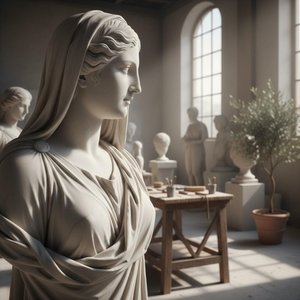
Timeless Elegance: A Complete Guide to the Sublime Beauty and Artistry of Marble Sculpture
Discover the sublime beauty of marble art through an expert exploration of Renaissance and Neoclassical masterpieces. From the delicate textures of Carpeaux to the grandeur of Sansovino, immerse yourself in a guide to timeless elegance and sculptural perfection.

Bronze Age to Modern Masters: 10 Sculptures That Redefined Art | OriginalUniqueArt
Journey through art history with 10 legendary bronze sculptures – from Michelangelo's David to Rodin’s Thinker. Explore the stories, techniques & timeless beauty of these masterpieces. Find museum-quality reproductions & elevate your home decor on OriginalUniqueArt.com.

Bronze Sculptures That Defined Art History | OriginalUniqueArt
Journey through art history with our Top 10 bronze sculptures! Explore masterpieces by Rodin, Michelangelo & more. Discover stories behind iconic statues and find museum-quality reproductions for your home decor at OriginalUniqueArt.com.