
 Pregledaj u stvarnoj veličini
 Pošalji
 Podijeli
 Detalji o umjetničkom djelu

 Preuzmi
 Slični predmeti
 Rentgenska snimka
 Automatska prezentacija
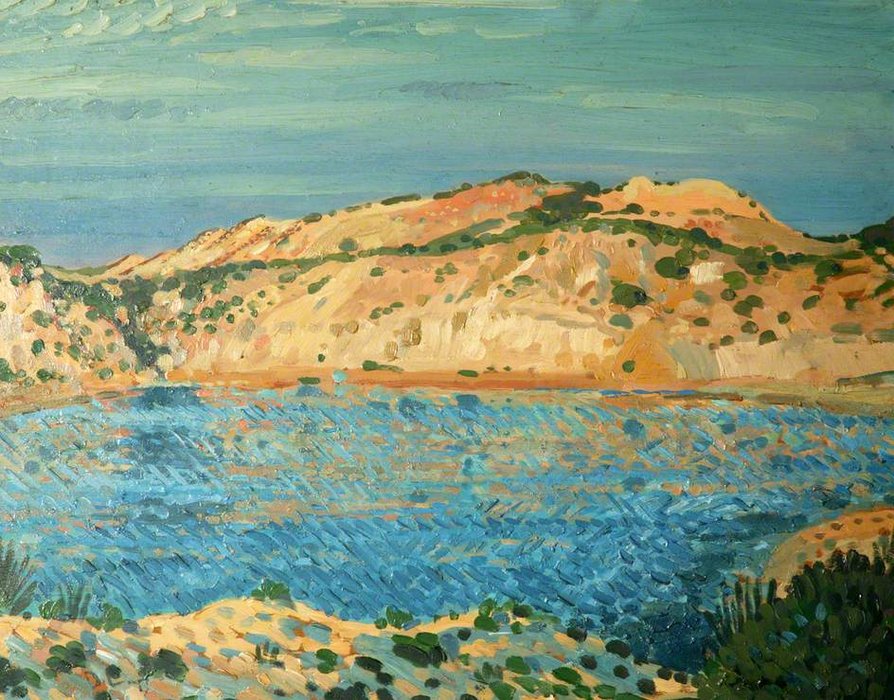
The Blue Pool
 Prikaži više
Giclée / Umjetnički otisak
Giclée tisak muzejske kvalitete ili otisak na platnu uz brzu proizvodnju i fleksibilne opcije završne obrade. ( Kupi ručno naslikanu sliku Kupi digitalnu sliku)




































Odaberite jednu od naših unaprijed definiranih veličina koje odgovaraju izvornim proporcijama umjetničkog djela.

Možete unijeti vlastite dimenzije kako biste umjetničko djelo prilagodili specifičnom okviru ili prostoru. Ako odabrana veličina ne odgovara proporcijama izvornog rada, izrezat ćemo dio slike ili je proširiti pomoću ogledalnog efekta ili jednobojne rubne površine. Digitalni prikaz (mockup) bit će vam poslan na odobrenje prije početka proizvodnje.
Imajte na umu da pregled na zaslonu ne odražava stvarno izrezivanje ili proširivanje. Samo će mockup točno prikazati konačnu kompoziciju.
Iako su dostupne prilagođene veličine, preporučujemo odabir dimenzije iz unaprijed definirane liste kako biste očuvali izvorne proporcije.
Dostava širom svijeta () u roku od 2 tjedna umjesto standardnih 4/5 tjedana. (14 Kolovoz)

Besplatna ekspresna dostava širom svijeta

Visokokvalitetno laneno platno

Potpuno osiguranje dostave

Jamstvo povrata carine i uvoznih poreza

Garancija vjernog podudaranja boja

Politika povrata u roku od 60 dana (samo u slučaju nedostataka)

Jamstvo povrata 100% novca

Popust na više proizvoda
 Opcija stakla dostupna je samo za dimenzije manje od 110 cm

The Blue Pool
Giclée / Umjetnički otisak
Veličina reprodukcije
-


Ukupna cijena
$ 80
Biografija umjetnika
A Life Defined by Light and Shadow
The story of Derwent Lees is one of profound resilience and a relentless pursuit of beauty amidst personal tragedy. Born Desmond Lees in the rugged landscape of Hobart, Tasmania, his early years were marked by a pivotal moment of hardship that would forever alter his physical journey. At the age of nineteen, a riding accident resulted in the amputation of his left foot, yet this physical limitation could not tether his soaring artistic spirit. Instead, it seemed to sharpen his focus on the ephemeral qualities of the world around him. Driven by an unyielding ambition, Lees moved from Australia to London in 1905, seeking the rigorous academic training that would eventually allow him to translate his inner visions onto canvas.
Enrolling at the prestigious Slade School of Fine Art, Lees entered a vibrant intellectual ecosystem. It was here that he forged enduring bonds with fellow luminaries such as Augustus John and James Dickson Innes. Together, this creative quartet sought inspiration in the dramatic landscapes of Nant Ddu, Wales, where the interplay of mist, mountain, and light became a central theme in their collective explorations. These summer retreats were more than mere painting excursions; they were crucibles of intense creative energy, allowing Lees to refine a style that balanced the delicate observations of Impressionism with a burgeoning, more expressive intensity.
The Convergence of Impressionism and Fauvism
Lees’s technical evolution is a fascinating study in the blending of disparate movements. He was deeply enamored with the Impressionist masters, particularly Monet and Sisley, adopting their reverence for the fleeting moment and the atmospheric weight of light. His canvases often capture the tranquil beauty of a sunset or the shimmering surface of a lake, utilizing loose, textured brushstrokes to evoke a sense of movement and air. However, to categorize him solely as an Impressionist would be to overlook the striking emotional depth found in his more experimental works.
As his career progressed, a Fauvist influence began to permeate his palette. He moved beyond mere observation toward a more subjective expression, utilizing jarring colors and expressive distortions to convey psychological weight. This stylistic tension—between the serene light of his landscapes and the raw, emotive power of his color choices—mirrors the duality of his own life. His work often feels as though it is caught in a struggle between the external world's tranquility and an internal, unsettling turbulence, perhaps reflecting the mental illness that would later tragically curtail his prolific career.
A Visionary on the Global Stage
The historical significance of Derwent Lees extends far beyond the borders of Australia. In 1913, he achieved a monumental milestone by becoming the sole Australian artist to participate in the groundbreaking Armory Show in New York City. This exhibition, which introduced much of the American public to the radical avant-garde movements of Europe, placed Lees at the very center of the international artistic dialogue. His presence in such a pivotal moment solidified his reputation as a visionary painter capable of navigating the complexities of modernism.
Despite the tragic conclusion of his life in 1931, the legacy of Derwent Lees remains etched in the annals of art history. His ability to weave together the following elements makes his body of work uniquely enduring:
- Atmospheric Mastery: A profound ability to capture the ephemeral qualities of light and weather.
- Stylistic Synthesis: The seamless integration of Impressionistic softness with Fauvist intensity.
- Emotional Resonance: A rare capacity to imbue landscapes with a sense of human vulnerability and psychological depth.
- International Impact: His role as a bridge between the Australian landscape tradition and the global avant-garde.
Today, when we look upon his works, such as 'Evening' or 'Lyndra, Sunset, Aldbourne', we do not merely see landscapes; we witness a soul attempting to capture the infinite within the finite, leaving behind a luminous trail of color that continues to haunt and inspire.
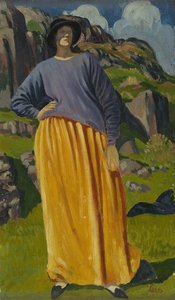
Derwent Lees
1884 - 1931 , Australia
Osnovne informacije
- Artistic Movement Or Style: Post-Impressionism
- Artists Or Movements Influenced By This Artist: ['Fauvism']
- Artists Who Influenced This Artist:
- Augustus John
- James Dickson Innes
- Date Of Birth: 1884
- Date Of Death: 1931
- Full Name: Derwent Lees
- Nationality: Australian
- Notable Artworks:
- Evening
- Lyndra, Sunset, Aldbourne
- Place Of Birth: Hobart, Australia

