Pregledaj u stvarnoj veličini
 Podijeli
 Podijeli
 Detalji
 Vodič
Vodič

 Preuzmi datoteku
 Slični predmeti
 Rentgenska snimka
 Slide show
 Statistika
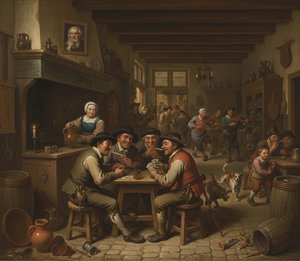
The Kitchen
 Acrylic On Canvas
- WallArt
- Baroque
 1646
1646 171.0 x 237.0 cm
 Ermitaž
 Pročitajte više
Ručno rađena uljana reprodukcija
Ručno oslikano uljanim bojama na platnu u dimenzijama i okviru po vašem izboru, izrađeno po narudžbi od strane naših umjetnika. ( Prebacite na prodaju printova Prebacite na digitalnu prodaju slika)




P118B €10

P118H €10

P118W €10

P438Z €10

P508JH €12

P508YH €12

P805H €10

P805Z €10

P919BZ €10

P919G €10

P919XJ €10

P959ZH €10

P968JZ €12

W106C €8

W218G €10

W218JH €8

W218Y €10

W307PJ €10

W316G €10

W316PJ €8

W316Y €10

W398PJ €8

W4111J €10

W500HY €15

W500JH €15

W692G €12

W849H €8

W940BG €15

W953PJ €8




Odaberite jednu od naših unaprijed definiranih veličina koje odgovaraju izvornim proporcijama umjetničkog djela.

Unesite širinu i visinu koja vam je potrebna, kako bi odgovarali vašem okviru ili zidu. Budući da je ovo ručno oslikano djelo, umjetnik može malo proširiti rubove slike ili ih skratiti kako bi postigao željeni oblik — izbor je vaš. Prije početka slikanja poslat ćemo vam digitalni prikaz (mockup) radi potvrde. Slika prikazana na ovoj stranici ne predstavlja stvarni rezultat — samo digitalni prikaz to čini.
Nakon narudžbe, tim OriginalUniqueArt.com kontaktirat će klijenta putem e-pošte radi dobivanja uputa te dostaviti probni prikaz (mockup)
Isporuka širom svijeta () u roku od 3-4 tjedna umjesto standardnih 5 tjedana. (23 Listopad). Bez kompromisa u kvaliteti.

Besplatna ekspresna dostava širom svijeta

Visokokvalitetno laneno platno

Potpuno osiguranje transporta

Jamstvo povrata carine i uvoznih poreza

Jamstvo vjernosti boja

Politika povrata u roku od 100 dana (samo u slučaju nedostataka)

Jamstvo povrata 100% novca

Popust na više proizvoda
 Opcija stakla dostupna je samo za dimenzije manje od 110 cm

The Kitchen
Tehnika izrade
Veličina reprodukcije
-


Ukupna cijena
€ 264
A Snapshot of Everyday Life: David Teniers the Younger’s “The Kitchen”
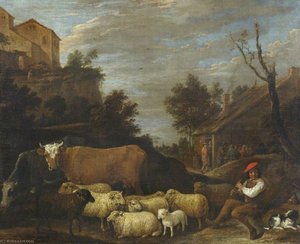
David Teniers the Younger's "The Kitchen," painted in 1646, isn’t merely a depiction of a domestic scene; it’s a vibrant tableau brimming with life, humor, and an astute observation of Flemish society. This remarkable work transcends simple genre painting, offering a glimpse into the heart of a bustling household—a microcosm reflecting the rhythms and relationships of everyday existence. Measuring 171 x 237 cm, the canvas explodes with activity, populated by thirteen individuals engaged in various tasks within a richly detailed kitchen environment. The sheer number of figures, coupled with their diverse interactions – from children playfully chasing birds to adults tending hearths and tables – immediately draws the viewer into this immersive world.
The painting’s Baroque style is evident in its dynamic composition, dramatic lighting, and meticulous attention to detail. Teniers masterfully employs a technique of *alla prima*, working directly onto the wet canvas without underdrawing, resulting in a sense of immediacy and spontaneity. Notice how he captures the textures of rough-hewn wooden furniture, the glint of metal tools, and the folds of fabric with remarkable precision. The artist’s use of color is equally noteworthy – warm earth tones dominate, punctuated by brighter accents that draw attention to key elements within the scene, such as a vibrant red tablecloth or the gleam of copper pots.
A Window into 17th-Century Flanders
To understand “The Kitchen,” it’s crucial to situate it within its historical context. The painting was created during a period of significant artistic and social change in the Netherlands, following the decline of the High Renaissance and the rise of Baroque styles. David Teniers the Younger emerged as a leading figure in this transition, skillfully blending influences from his father's earlier work with contemporary trends. His subject matter often revolved around scenes of rural life, domestic interiors, and tavern gatherings – themes that resonated deeply with the burgeoning middle class.
The inclusion of numerous animals—a dog, two cats, and a flock of birds—adds another layer of interest to the composition. Animals were frequently depicted in Flemish art, often serving as symbols of fertility, abundance, or domesticity. In “The Kitchen,” they seamlessly integrate into the human drama, contributing to the overall sense of lively chaos. The presence of books suggests an appreciation for learning and intellectual pursuits within the household, while the scattered bottles and bowls hint at a life filled with simple pleasures and convivial gatherings.
Symbolism and Social Commentary
Beyond its immediate visual appeal, “The Kitchen” offers subtle insights into 17th-century Flemish society. The scene’s bustling energy reflects the importance of family and community in this era. The various activities taking place—cooking, eating, cleaning, and socializing—highlighted the central role of the home as a focal point for social interaction. The inclusion of both adults and children underscores the multi-generational nature of Flemish households. Furthermore, the painting’s depiction of everyday life provides a valuable glimpse into the material culture and social customs of the time.
Interestingly, Teniers' career was marked by a remarkable versatility. He served as a court painter, a printmaker, and even a curator for Archduke Leopold Wilhelm, demonstrating a broad range of artistic skills and interests. His ability to capture both the grandeur of formal portraits and the intimacy of genre scenes cemented his reputation as one of the most prolific and influential artists of his generation. “The Kitchen” stands as a testament to this remarkable talent, offering a captivating window into a bygone era.
Pitanja i odgovori
Tko je stvorio "The Kitchen" i u kojoj godini?
Autor djela "The Kitchen" je David Teniers Mlađi, a rad je datiran u 1646.
Koja je dominantna nijansa u djelu "The Kitchen" autora David Teniers Mlađi?
Dominantna nijansa djela "The Kitchen" autora David Teniers Mlađi je Golden Yellow Range. Ta nijansa predstavlja osnovni ton palete.
Je li "The Kitchen" autora David Teniers Mlađi poznato umjetničko djelo?
"The Kitchen" je klasificirano kao Recognized.
Biografija umjetnika
David Teniers Mlađi: Život i nasljeđe
David Teniers Mlađi, rođen u Antwerpenu 15. prosinca 1610., bio je istaknuti flamanski barokni slikar čija su djela oživjela svakodnevni život 17. stoljeća s iznimnom živahnošću i detaljima. Potječući iz duboko ukorijenjene umjetničke obitelji, Teniers je naslijedio strast prema slikanju od svog oca, Davida Teniersa Starijeg, također priznatog slikara. Njegova rane godine bile su obilježene temeljnom obukom u tehnikama i stilovima slikanja, ali i financijskim poteškoćama koje su ga potaknule da kopira djela starih majstora kako bi doprinio kućnom budžetu. Ipak, upravo je ta praksa pružila dragocjenu priliku za proučavanje različitih umjetničkih pristupa i razvoj vlastitog stila.
Umjetnički Razvoj i Inspiracije
Rani utjecaji na Teniersov rad bili su očito vidljivi u stilu njegova oca, s fokusom na manje kabinetne slike. Međutim, njegov umjetnički horizont proširio se zahvaljujući upoznavanju djela drugih flamanskih majstora poput Pietera Brueghela Starijeg. Ključan trenutak u njegovom razvoju dogodio se uspostavljanjem bliske veze s Peterom Paulom Rubensom. Brak s Annom Brueghel, kćeri Jana Brueghela Starijeg, a Rubens je bio svjedok na vjenčanju, učvrstio je to prijateljstvo i otvorio vrata novim izvorima inspiracije. Teniers se postupno specijalizirao za žanr slikarstvo – prikaze svakodnevnog života – postajući poznat po živopisnim scenama seljačkih festivala (kermesa), tavernama i ruralnim krajolicima.
Glavna Djela i Umjetnički Stil
Teniersova najpoznatija djela su upravo njegova žanr slikarstva. Ove slike često prikazuju užurbljene scene seljačkog života ispunjene veseljem, plesom, pićem i igrama. Serija “Flamanski Kermess” savršeno ilustrira njegov stil – vibrantne boje, detaljne kompozicije i oštar osjećaj za ljudsko ponašanje. Njegovi pejzaži također su šarmantni, često uključujući figure angažirane u seoskim aktivnostima. Posebno su značajne njegove scene iz taverni zbog realističnog prikaza svakodnevnog života i živopisne atmosfere koja ih prožima. Teniers je majstorstvo demonstrirao u sposobnosti da uhvati prolazne trenutke, emocije i nijanse ljudske interakcije.
Dvorski Slikar i Kustosa
Teniersov talent ubrzo je prepoznat na Habsburškom dvoru. Postao je dvorski slikar i kustosa za nadvojvodu Leopolda Vilhema, generalnog guvernera Španjolske Nizozemske. Kao kustos, bio je zadužen za upravljanje prostranom umjetničkom zbirkom nadvojvode, izradu popisa i katalogizaciju djela. Njegova uloga nije bila samo administrativna; Teniers je aktivno sudjelovao u procjeni kvalitete radova i savjetovao nadvojvodu pri kupnji novih slika. Osim toga, odigrao je ključnu ulogu u osnivanju Antverpenske akademije likovnih umjetnosti, s ciljem revitalizacije flamanskog slikarstva nakon razdoblja stagnacije uslijed smrti Rubensa i Van Dycka.
Povijesni Značaj i Nasljeđe
David Teniers Mlađi se smatra vodećim flamanskim žanr slikarom svog vremena, uhvativši bit 17. stoljeća s iznimnom vještinom. Njegov rad je utjecao na kasnije generacije sjevernoeuropskih slikara, a čak i na francuske rokoko umjetnike poput Antoinea Watteaua. Teniers je bio nevjerojatno plodan umjetnik, stvarajući golemu količinu djela koja se i danas dive zbog svog šarma, detalja i povijesnog uvida. Umro je u Antwerpenu 25. travnja 1690., ostavljajući trajno nasljeđe kao jedan od najvažnijih flamanskih baroknih slikara. Njegova djela nastavljaju očaravati publiku diljem svijeta, pružajući jedinstan pogled na život i običaje prošlih vremena.
David Teniers Mlađi
1610 - 1690 , Hrvatska
Brzi pregled
- Datum Rođenja: 15. prosinca 1610.
- Datum Smrti: 25. travnja 1690.
- Mjesto Rođenja: Antwerpen, Belgija
- Nacionalnost: Flamanski
- Puno Ime: David Teniers Mlađi
- Umjetnički Pokret: Barok
- Utjecali Su Na Ovog Umjetnika: ['Peter Paul Rubens']
- Značajna Djela:
- Dva pijanca
- Seoska scena
- Kuhinjska scena
- Flamanski Kermess
Povezani članci
Jacob Jordaens: Baroque Dynamism & Genre Innovation of the Antwerp School
Discover Jacob Jordaens, a leading Flemish Baroque painter renowned for his dynamic compositions & realistic genre scenes. Explore his life, art, and lasting influence with OriginalUniqueArt.
David Teniers the Younger: Genre Painting & Social Commentary in Baroque Flanders
Explore the captivating world of David Teniers the Younger, a leading Flemish Baroque painter. Discover his genre scenes, social commentary, and lasting influence on 17th-century art. Learn about his life, techniques & legacy.
David Teniers II: Master of Flemish Genre & Social Commentary
Explore the captivating world of David Teniers II, a leading Flemish Baroque painter renowned for his lively genre scenes & insightful social commentary. Discover his masterpieces and legacy with OriginalUniqueArt.

The Visceral Stage: Exploring Dramatic Narratives & Emotional Intensity in Baroque Art
Explore the dramatic world of Baroque art! Discover iconic masters like Caravaggio & Rembrandt, their techniques, and the movement's lasting impact. Expert insights for collectors & enthusiasts at OriginalUniqueArt.

Mastering Drama and Light: A Definitive Guide to the Flemish Baroque Art Movement
Explore the dramatic brilliance of the Flemish Baroque movement. Discover how masters like Peter Paul Rubens utilized chiaroscuro and dynamic composition to redefine art history through light, shadow, and unparalleled emotion.