Pregledaj u realnoj veličini
 Pošalji
 Podijeli
 Detalji o umjetničkom djelu
 Vodič
Vodič

 Preuzmi umjetničko djelo
 Slični predmeti
 Rentgenska snimka
 Slide show
 Pitanja i odgovori
 Statistika
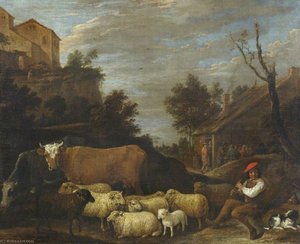
Kitchen Scene

- 75.0 x 77.0 cm


 Prikaži više
Giclée / Umjetnički otisak
Giclée tisak muzejske kvalitete ili otisak na platnu uz brzu izradu i raznolike opcije završne obrade. ( Kupi ručno oslikano djelo Prebacite na digitalnu sliku)




P118B €10

P118H €10

P118W €10

P438Z €10

P508JH €12

P508YH €12

P805H €10

P805Z €10

P919BZ €10

P919G €10

P919XJ €10

P959ZH €10

P968JZ €12

W106C €8

W218G €10

W218JH €8

W218Y €10

W307PJ €10

W316G €10

W316PJ €8

W316Y €10

W398PJ €8

W4111J €10

W500HY €15

W500JH €15

W692G €12

W849H €8

W940BG €15

W953PJ €8




Odaberite jednu od naših unaprijed definiranih veličina koje odgovaraju izvornim proporcijama umjetničkog djela.

Unesite potrebnu širinu i visinu kako bi odgovarali vašem okviru ili zidu. Print se može samo izrezati, nikada ne može biti veći od slike, stoga format s drugačijim omjerom stranica uzrokuje gubitak dijela slike. Prije bilo kakve štampe šaljemo vam digitalni prikaz (mockup) na odobrenje. Slika prikazana na ovoj stranici ne prikazuje stvarni rez — to prikazuje isključivo digitalni prikaz.
Dostava širom svijeta () u roku od 2 tjedna umjesto standardnih 4/5 tjedana. (8 Studeni)

Besplatna ekspresna dostava širom svijeta

Visokokvalitetno laneno platno

Potpuno osiguranje dostave

Jamstvo povrata carine i uvoznih poreza

Jamstvo vjernosti boja

Politika povrata u roku od 100 dana (samo u slučaju nedostataka)

Jamstvo povrata 100% novca

Popust na više proizvoda
 Opcija stakla dostupna je samo za dimenzije manje od 110 cm

Kitchen Scene
Giclée / Umjetnički otisak
Veličina reprodukcije
-


Ukupna cijena
€ 72
A Glimpse into Domesticity: David Teniers the Younger’s “Kitchen Scene”
David Teniers the Younger's "Kitchen Scene," painted in 1644, is more than just a depiction of daily life; it’s a meticulously crafted window into the heart of 17th-century Flemish domesticity. Housed within the Mauritshuis museum in The Hague, this oil painting on copper immediately draws the viewer into a bustling scene brimming with activity and quiet intimacy. Teniers wasn't merely recording a snapshot; he was capturing an atmosphere, imbuing the kitchen with a palpable sense of warmth, conversation, and the comforting rhythms of family life.
The artist’s skill lies not just in his technical proficiency – evident in the remarkably detailed rendering of food, utensils, and fabrics – but also in his ability to convey mood. The light, diffused and warm, suggests a late afternoon, casting long shadows across the room and highlighting the rich textures of the wooden table, earthenware bowls, and the woman’s richly colored dress. Notice how he uses subtle variations in tone to create depth, drawing our eye from the central figures towards the background activity – children playing, servants preparing food, and a dog observing the scene with quiet attentiveness.
The Painter's Palette: Technique and Materials
“Kitchen Scene” is a testament to Teniers’ mastery of oil painting on copper. This medium offered him exceptional control over color saturation and layering, allowing for a remarkable level of detail and luminosity. The use of impasto – applying paint thickly – particularly in the depiction of the food and textiles – adds a tactile quality to the image, inviting us to almost reach out and touch the smooth surface of the table or feel the warmth radiating from the hearth (implied but not explicitly shown). The copper itself contributes significantly to the painting’s visual impact; it reflects light beautifully, intensifying colors and creating a sense of vibrancy that is often lost in traditional panel paintings.
Furthermore, Teniers' meticulous attention to detail extends beyond mere representation. He employs a sophisticated understanding of perspective and chiaroscuro – the use of contrasting light and shadow – to create a convincing illusion of space. The figures are rendered with a remarkable degree of realism, their faces conveying a range of emotions—from amusement and conversation to focused concentration. The artist’s ability to capture these subtle nuances is what elevates “Kitchen Scene” beyond a simple genre painting.
A Window into the Golden Age: Context and Symbolism
“Kitchen Scene” firmly places itself within the Dutch Golden Age of art, a period characterized by unprecedented prosperity, artistic innovation, and a burgeoning interest in depicting everyday life. Teniers’ work reflects this shift away from purely religious or mythological subjects towards more secular themes – a trend driven by the rise of the merchant class and their desire to celebrate their newfound wealth and status. The scene itself is rich with symbolism. The abundance of food represents prosperity and hospitality, while the presence of children suggests family values and the continuation of lineage.
The inclusion of a dog, a common feature in domestic scenes of the era, reinforces the theme of companionship and loyalty. Even the hanging bird – a detail often overlooked – could symbolize abundance or good fortune. The painting’s setting, a well-equipped kitchen, speaks to the importance of food preparation and communal meals within 17th-century Flemish society. It's a scene that resonates with universal themes of family, community, and the simple pleasures of life.
Collecting the Essence: Reproduction and Legacy
Reproductions of “Kitchen Scene” offer an accessible way to experience the artistry and charm of this remarkable painting. Whether displayed in a grand salon or a cozy corner, it serves as a captivating reminder of a bygone era. The meticulous detail and evocative atmosphere captured by Teniers continue to resonate with viewers today, offering a glimpse into the lives and values of those who came before us.
For art enthusiasts seeking a deeper understanding of this masterpiece, we encourage you to explore the resources linked below: The Mauritshuis museum’s collection provides invaluable insights into the painting's history and context. Furthermore, examining related works by David Teniers the Younger – such as “An Old Peasant caresses a Kitchen Maid in a Stable” – reveals his distinctive style and thematic preoccupations.
Pitanja i odgovori
Gdje mogu preuzeti "Kitchen Scene" autora David Teniers Mlađi?
Preuzimanje je dostupno za "Kitchen Scene": na stranici Preuzimanje digitalne slike ovog umjetninog djela možete pronaći preuzimanje digitalne slike visoke rezolucije.
Tko je stvorio "Kitchen Scene"?
Autorstvo djela "Kitchen Scene" pripisuje se David Teniers Mlađi.
Nalazi li se "Kitchen Scene" autora David Teniers Mlađi u domovini umjetnika?
Ne – umjetničko djelo se nalazi izvan zemlje umjetnika. Rodna zemlja umjetnika David Teniers Mlađi je Belgija, dok se muzej u kojem se čuva izvornik djela "Kitchen Scene" nalazi u državi Njemačka.
Biografija umjetnika
Rano život i obitelsko podrijetlo
- Rođen: Antverpen, tadašnji španjolski Nederland, kršten 15. prosinca 1610.
- David Teniers Mlađi potekao je iz obitelji duboko ukorijenjene u umjetničkoj tradiciji Flandrije. Njegov otac, David Teniers Stari, također je bio slikar, a njegovi mlađi brate Juliaan, Theodoor i Abraham također su postali slikari.
- Obrazovanje: Od 1626. godine studirao je pod vodstvom svog oca, primivši temeljnu obuku u tehnikama i stilovima slikarstva. ly
- Njegov je otac često bio u dugovima, zbog čega je povremeno završavao i u zatvoru, pa je mladi David izrađivao kopije djela starih majstora kako bi pomogao u održavanju obitelji.
- Antverpenska združenje: Postao je majstor Antverpenskog svat Svetog Luke 1632. – 1633. godine, a služio je kao njegov dekan u razdoblju 1644. – 1645. godine.
Umjetnički razvoj i utjecaji
- Rani utjecaji: Njegovo rano djelo slijedilo je očeve male kabinetne slike, a kroz njega i primjer Adama Elsheimera. Do kraja 1630-ih, njegove su slike bile vrlo bliske djelima Adriena Brouwera u tematici, tehnici, boji i kompoziciji.
- Rubensov krug: Godine 1637. oženio se Anne Brueghel, kćeri Jana Brueghela Starog. Peter Paul Rubens, koji joj je bio skrbnik nakon smrti njezinog oca, bio je svjedok na vjenčanju, što je Teniersa uvuklo u krug vodećeg antverpenskog slikara.
- Specijalizacija u žanru: Teniers se postupno specijalizacija za žanrovsko slikarstvo – prikazivanje svakodnevnog života – postajući poznat po svojim živopisnim scenama seljačkih festivala (kermesses), unutrašnjosti gostionica i seoskim pejzažima.
Glavna djela i umjetnički stil
- Žanrovske scene: Njegova najslavnija djela su njegove žanrovske slike. One često prikazuju užurbane scene seljačkog života ispunjene veseljem, plesom, pićem i igrama.
- Slike kermessa: Seoske fešte poput Flandrijskog kermessa primjer su njegovog stila – živopisnih boja, detaljnih kompozicija i oštrog promatranja ljudskog ponašanja.
- Unutrašnjost gostionica: Njegove scene u gostionicama posebno su značajne zbog realističkog prikaza svakodnevnog života i živopisne atmosfere unutar tih objekata.
- Izvan sela: Također je slikao pejzaže, scene u stražarnicama, alkemičare i liječnike na radu, te duhovite singeries u kojima majmuni oživljavaju ljudske stvari.
- Galerijske slike: Njegovi prikazi kneževinske slike galerije, čiji su zidovi prepuni prepoznatljivih remek-djela, učinili su ga vodećom postavom ovog specifičnog flamanskog žanra.
Dvorski slikar i kustos
- Služba kod nadvojevstva Leopold Wilhelma: Oko 1650. godine, Teniers se preselio u Bruxelles kako bi služio nadvojvoda Leopold Wilhelm, guverner španjolskih Nizozemskih zemalja, kao dvorski slikar i čuvar njegove umjetničke zbirke.
- Upravljanje zbirkom: Pomogao je nadvojvoda u stjecanju remek-djela, uključujući slike iz rasprostranjene engleske kraljevske zbirke i Hamiltonove zbirke. Zbirka je narasla na oko 1.300 djela i kasnije je činila temelj Umjetničkog povijesnog muzeja u Beču.
- Theatrum Pictorium: Objavljen u Bruxellesu 1660. godine, reproducirao je 246 talijanskih slika iz nadvojvinske zbirke u gravurama – što je bio prvi ilustrirani katalog zbirke starih majstara.
- Učenici: Vjeruje se da je Gillis van Tilborgh trenirao s njim u Bruxellesu i kasnije obnašao istu dužnost čuvara dvorske zbirke.
- Kasniji život: Nakon Annine smrti, 1656. godine oženio se Isabellom de Fren. Podnio je molbu kralju Španjolske za plemićki status, ali je odustao kada mu je rečeno da će morati prestati prodavati svoje slike.
- Antverpenska akademija: Teniers je bio pokretačka snaga osnivanja Akademije likovnih umjetnosti u Antverpenu, dobivši njezin kraljevski statut 1663. godine, s ciljem revitalizacije flamanskog slikarstva nakon smrti Rubensa i Van Dycka.
Povijesna važnost i naslijeđe
- Vodeći žanrovski slikar: David Teniers Mlađi smatra se vodećim flamanskim žanrovskim slikarom svog vremena, koji je nevjerojatnom vještinom uspio uhvatiti bit života 17. stoljeća.
- Utjecaj na kasnije umjetnike: Njegov rad utjecao je na sljedeće generacije sjevernoeuropskih slikara, pa čak i na francuske rokoko umjetnike poput Antoinea Watteaua.
- Plodovit rad: Teniers je bio nevjerojatno plodovit umjetnik, ostavivši golemo djelo koje se i danas divimo zbog njegove šarme, detalja i povijesnog uvida.
- Smrt: Umro je u Bruxellesu 25. travnja 1690., ostavljajući za sobom trajno naslijeđe kao jedan od najvažnijih flamanskih baroknih slikara.
David Teniers Mlađi
1610 - 1690 , Belgija
Osnovne informacije
- Date Of Birth: 1610.
- Date Of Death: 1690.
- Place Of Birth: Antwerpen, Belgija
- Place Of Death: Bruxelles, Belgija
- Birth Date: 1610.
- Birth Place: Antwerpen, Belgija
- Death Date: 1690.
- Influenced By: Adriaen Brouwer, Adam Elsheimer, Peter Paul Rubens
- Movement: Barok
- Name: David Teniers Mlađi
- Nationality: Flandrijski
- Notable Works:
- Dva pijanca
- Seoska scena
- Scena u kuhinji
- Flandrijski kermess
Srodni članci

Golden Age Reflections: Dutch Baroque Painting & Cultural Innovation
Explore the Dutch Golden Age of painting! Discover key artists like Vermeer & ter Borch, their innovative techniques, and the rich cultural context behind these Baroque masterpieces. Learn about collecting & appreciating this iconic art period.

Golden Light & Dutch Skies: The Timeless Magic of Dutch Golden Age Landscapes
Discover the breathtaking beauty of Dutch Golden Age landscapes. Explore the mastery of light, chiaroscuro, and 17th-century realism through an expert art history lens, celebrating the enduring legacy of the Dutch Masters for discerning collectors and art lovers.

Zlatno Dobo Nizozemske: 10 Remekdjela Koja Su Definirala Umjetnost i Dekor
Otkrijte remekdjela nizozemskog Zlatnog doba! Uronite u svijet Rembrandta, Vermeera i drugih majstora. 10 slika koje su definirale holandsku umjetnost & barokni stil. Inspirirajte se za dekoraciju doma s OriginalUniqueArt.com – reprodukcije vrhunske kvalitete!

Mastering Light & Shadow: A Journey Through the Dutch Golden Age's Luminous Legacy
Embark on a cultural journey through the Dutch Golden Age. Explore the masterful interplay of light and shadow in 17th-century masterpieces, from Rembrandt to Vermeer, and discover how this era of profound realism continues to inspire fine art collectors today.

Illuminating Innovation: Exploring the Dutch Golden Age of Painting
Explore the Dutch Golden Age of painting with OriginalUniqueArt. Discover Rembrandt, Vermeer & other Masters. Learn about key characteristics, iconic artworks, and lasting influence. Expert insights for collectors & enthusiasts.