

 Pregledaj u stvarnoj veličini
 Podijeli
 Podijeli
 Detalji
 Vodič
Vodič

 Preuzmi datoteku
 Slični predmeti
 Rentgenska snimka
 Slide show
 Statistika
Beata Beatrix


 Pročitajte više
Giclée / Umjetnički otisak
Giclée tisak muzejske kvalitete ili otisak na platnu uz brzu proizvodnju i fleksibilne opcije završne obrade. ( Naručite ručno oslikano reprodukciju Prebacite na digitalnu prodaju slika)




P118B €10

P118H €10

P118W €10

P438Z €10

P508JH €12

P508YH €12

P805H €10

P805Z €10

P919BZ €10

P919G €10

P919XJ €10

P959ZH €10

P968JZ €12

W106C €8

W218G €10

W218JH €8

W218Y €10

W307PJ €10

W316G €10

W316PJ €8

W316Y €10

W398PJ €8

W4111J €10

W500HY €15

W500JH €15

W692G €12

W849H €8

W940BG €15

W953PJ €8




Odaberite jednu od naših unaprijed definiranih veličina koje odgovaraju izvornim proporcijama umjetničkog djela.

Unesite širinu i visinu koja vam je potrebna, kako bi odgovarali vašem okviru ili zidu. Print se može samo izrezati, nikada ne može biti veći od slike, stoga veličina s drugačijim oblikom gubi dio slike. Šaljemo vam digitalni prikaz (mockup) na odobrenje prije bilo kakve štampe. Slika prikazana na ovoj stranici ne prikazuje stvarni rez — to čini samo digitalni prikaz.
Dostava širom svijeta () u roku od 2 tjedna umjesto standardnih 4/5 tjedana. (24 Listopad)

Besplatna ekspresna dostava širom svijeta

Visokokvalitetno laneno platno

Potpuno osiguranje transporta

Jamstvo povrata carine i uvoznih poreza

Jamstvo vjernosti boja

Politika povrata u roku od 100 dana (samo u slučaju nedostataka)

Jamstvo povrata 100% novca

Popust na više proizvoda
 Opcija stakla dostupna je samo za dimenzije manje od 110 cm

Beata Beatrix
Giclée / Umjetnički otisak
Veličina reprodukcije
-


Ukupna cijena
€ 70
A Portrait of Contemplation: Unveiling Rossetti’s “Beata Beatrix”
Dante Gabriel Rossetti's "Beata Beatrix," painted in 1864, is more than simply a portrait; it’s a carefully constructed tableau of yearning and quiet introspection. The painting immediately draws the eye to its central figure – a woman with a cascade of vibrant red hair that seems to catch the light like spun rubies. Her gaze, directed upwards as if lost in reverie or contemplating something beyond our immediate perception, is both captivating and profoundly melancholic. This isn’t a portrait of outward beauty, but rather one imbued with an inner life, a sense of profound thoughtfulness rarely captured so subtly in Victorian art.
Rossetti, deeply rooted in the Romantic tradition yet forging his own distinctive path, expertly utilizes color to evoke mood and atmosphere. The dominant green of her dress – a rich, almost mossy hue – grounds the figure while simultaneously suggesting a connection to nature, perhaps hinting at a desire for escape or solace within its embrace. The muted palette throughout the scene contributes to an overall feeling of quietude, amplifying the woman’s contemplative state. His technique is characterized by meticulous detail and a delicate handling of paint, particularly evident in the rendering of her hair – each strand meticulously painted to create a sense of movement and texture. This attention to detail speaks to Rossetti's commitment to capturing not just likeness but also the very essence of his subject.
The Figures as Echoes: Narrative and Observation
Adding layers of intrigue, “Beata Beatrix” isn’t solely focused on its central figure. Two other individuals are present, positioned subtly on either side of the woman. These figures – a man to her left and another to her right – aren't actively engaged with her; instead, they seem to be observing her with a quiet intensity. Their presence suggests a shared moment, perhaps witnessing a private reflection or a deeply felt emotion. They function as silent witnesses, adding a layer of narrative complexity to the scene without explicitly defining their relationship to the woman. This deliberate ambiguity invites viewers to project their own interpretations onto the composition.
The inclusion of a small bird perched near the top-right corner is particularly noteworthy. Birds frequently held symbolic significance in Rossetti’s work, often representing hope, freedom, or even spiritual aspiration. Here, its presence reinforces the sense of upward gaze and perhaps suggests a longing for something beyond the earthly realm. It's a delicate detail that elevates the painting from a simple portrait to a richer, more layered visual poem.
A Victorian Soul: Context and Inspiration
“Beata Beatrix” was created during a pivotal period in British art history – the transition between Romanticism and Aestheticism. Rossetti, along with fellow Pre-Raphaelites like John Everett Millais and William Holman Hunt, rejected the academic conventions of the Royal Academy, prioritizing beauty, symbolism, and emotional truth over realistic representation. The painting reflects this shift, embracing a heightened sense of atmosphere and psychological depth. Rossetti’s own background – his father's lineage tracing back to Dante Alighieri – undoubtedly informed his artistic sensibilities, fostering a deep appreciation for literature, poetry, and the power of myth.
The Victorian era itself was one of profound social change and spiritual questioning. The rise of industrialization, coupled with anxieties about morality and faith, created a fertile ground for artists seeking to explore themes of beauty, mortality, and the human condition. “Beata Beatrix” captures this spirit perfectly, offering a glimpse into the inner world of its subject – a woman lost in thought, contemplating her place within a rapidly changing society.
Capturing the Essence: Reproduction and Artistic Legacy
OriginalUniqueArt is proud to offer meticulously crafted hand-painted reproductions of “Beata Beatrix,” allowing you to experience Rossetti’s masterpiece in stunning detail. Our skilled artisans replicate every nuance of color, texture, and brushstroke, ensuring that your reproduction faithfully captures the painting's original beauty and emotional impact. Whether displayed as a striking centerpiece in your home or incorporated into an interior design scheme, this artwork will undoubtedly serve as a source of contemplation and inspiration for years to come. The subtle details, the evocative color palette, and the profound sense of introspection – all are preserved with exceptional care, bringing Rossetti’s vision to life anew.
Pitanja i odgovori
Je li dostupna digitalna datoteka visoke rezolucije za "Beata Beatrix"?
Kako biste dobili digitalnu datoteku djela "Beata Beatrix" autora Dante Gabriel Rossetti, naručite preuzimanje digitalne slike visoke rezolucije na njegovoj stranici Digitalna slika.
Je li "Beata Beatrix" autora Dante Gabriel Rossetti u javnom vlasništvu?
Odgovor o autorskim pravima za "Beata Beatrix" autora Dante Gabriel Rossetti: djelo je u javnom vlasništvu – autorska prava su istekla. To određuje smiju li se slobodno izrađivati reprodukcije slike.
Preporučena veličina ispisa za "Beata Beatrix" je?
Preporučena veličina tiska za "Beata Beatrix" je Medium. Dostupne su i druge veličine istih proporcija.
Biografija umjetnika
Dante Gabriel Rossetti (1828 – 1882) Poet, illustrator, painter
Dante Gabriel Rossetti was born in London on May 12, 1828, the second child and eldest son of Italian expatriates Gabriele Rossetti, a Dante scholar who had been exiled from Naples for writing poetry in support of the Neapolitan Constitution of 1819, and Frances Polidori Rossetti, a governess whose father Gaetano Polidori, from Tuscany, had married an English woman. His family’s intellectual heritage profoundly shaped his artistic sensibilities—a legacy that extended beyond mere biographical details to encompass a deep appreciation for literature and the arts. From a young age, he demonstrated exceptional talent in drawing and writing, foreshadowing the multifaceted career that would define his life.Early Life and Artistic Influences
Gabriel’s education was overseen by his mother, who instilled in him a love of learning and encouraged his intellectual curiosity. He devoured the works of Shakespeare, Dickens, Scott, Byron, and Wordsworth—literary giants whose influence permeated his imaginative landscape. Notably, he found inspiration in the poetry of John Keats and William Blake, artists who championed emotional intensity and visionary imagination as alternatives to academic conventions. The discovery of Blake’s writings in 1847 proved particularly transformative, sparking Rossetti's fascination with mythology and symbolism—themes that would become central to his artistic vision. He meticulously studied the techniques employed by Rembrandt and Rubens, absorbing their mastery of chiaroscuro (the dramatic interplay of light and shadow) and anatomical precision. These formative influences instilled in him a commitment to truthful representation combined with expressive artistry.The Pre-Raphaelite Brotherhood: A Revolt Against Convention
Rossetti’s artistic trajectory took an irreversible turn in 1848 when he co-founded the Pre-Raphaelite Brotherhood alongside William Holman Hunt and John Everett Millais—a movement that represented a radical challenge to the prevailing aesthetic standards of Victorian England. Dissatisfied with the idealized forms and decorative conventions favored by the Royal Academy, the Brotherhood sought to revive the artistic spirit of Italy *before* the High Renaissance—hence “Pre-Raphaelite.” This meant rejecting academic art’s preoccupation with classical mythology and embracing instead a meticulous observation of nature and a fervent devotion to moral seriousness. Rossetti's early paintings, such as *The Girlhood of Mary Virgin*, exemplify this ethos, showcasing an astonishing level of detail alongside symbolic imagery drawn from biblical texts and medieval romances. The Brotherhood’s manifesto articulated its conviction that art should serve as a conduit for spiritual contemplation—a stance that distinguished it from the commercialized culture of London society.Developing Style: Symbolism and Sensuality
Throughout his artistic career, Rossetti experimented with diverse stylistic approaches—moving gradually away from strict Pre-Raphaelite realism toward more evocative symbolism and dreamlike imagery. His paintings became increasingly infused with sensual desire—exploring themes of love, loss, and spiritual longing with profound emotional depth. This stylistic evolution was partly driven by his personal life, particularly his intimate relationship with Elizabeth Siddal—whom he married in 1860—and his enduring fascination with Jane Morris. Siddal served as Rossetti’s muse for many years, embodying an idealized feminine beauty that captivated him and inspired countless artworks. His paintings often depicted women bathed in ethereal light, adorned with flowing crimson hair—a visual motif that reflected his preoccupation with medieval symbolism and spiritual aspiration. Works like *Proserpine* exemplify this later style, demonstrating Rossetti’s mastery of color and composition—elements designed to evoke a sense of otherworldly enchantment.Legacy and Influence: Shaping Aesthetic Vision
Dante Gabriel Rossetti's artistic legacy extends far beyond his own lifetime—leaving an indelible mark on the course of Victorian art and profoundly influencing subsequent generations of artists and writers. He championed emotional intensity and subjective experience as paramount values—a stance that resonated with a cultural milieu yearning for alternatives to academic formalism. His work served as a catalyst for the emergence of Symbolism—a movement characterized by its exploration of psychological states and its embrace of mystical imagery—and contributed significantly to the development of Aestheticism—which prioritized beauty above all else. Artists like William Morris and Edward Burne-Jones were deeply inspired by Rossetti’s aesthetic principles, incorporating them into their distinctive artistic styles. Dante Gabriel Rossetti remains an important figure in understanding not only the history of art but also the broader cultural context in which it was created—a testament to his enduring contribution to Western artistic heritage.
Dante Gabriel Rossetti
1828 - 1882 , Velika Britanija
Brzi pregled
- Artistic Movement Or Style: Pre-Raphaelite
- Artists Who Influenced This Artist:
- John Keats
- William Blake
- Date Of Birth: 12. svibnja 1828.
- Date Of Death: 9. travnja 1882.
- Full Name: Dante Gabriel Rossetti
- Nationality: Engleski
- Notable Artworks:
- Proserpine
- Joan of Arc
- King Rene's Honeymoon
- Place Of Birth: London, UK
Povezani članci

Dante Gabriel Rossetti: 25 Remek-djela Pre-Raphaelita i Inspiracija za Vaš Dom
Uronite u svijet Dantea Gabriela Rossettija! Otkrijte 25 remek-djela Pre-Raphaelita, njihove priče i inspiraciju. Reprodukcije slika vrhunske kvalitete za vaš dom dostupne na OriginalUniqueArt.com. Ekskluzivna kolekcija online!
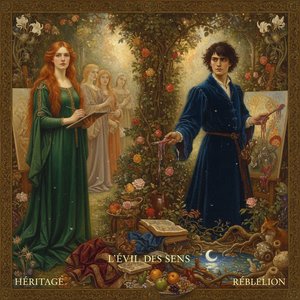
The Pre-Raphaelite Brotherhood: Reclaiming Beauty, Nature, and Truth in Victorian Art History
Explore the revolutionary Pre-Raphaelite Brotherhood. Discover how these visionary artists rejected academic tradition to reclaim beauty, nature, and truth through luminous detail and literary depth in Victorian art history.

Sir John Everett Millais: Pre-Raphaelite Rebellion & Victorian Narrative Detail
Explore the revolutionary art of Sir John Everett Millais & the Pre-Raphaelite Brotherhood. Discover their radical realism, symbolic narratives, and lasting impact on Victorian aesthetics. A deep dive into 19th-century masterpieces.

The Pre-Raphaelite Brotherhood: Rediscovering Beauty, Romance, and Medieval Magic in Victorian Art
Embark on a journey through the Pre-Raphaelite Brotherhood. Discover the romantic symbolism, medieval magic, and radical beauty of Rossetti and Burne-Jones in this expert exploration of Victorian art history.

Pre-Raphaelite Romanticism: A Guide to Vivid Detail and Medieval Beauty in Victorian Art
Explore the vivid detail and medieval beauty of Pre-Raphaelite Romanticism. Discover the history of masters like Rossetti and Millais through our expert guide to Victorian art, perfect for collectors and professionals seeking authentic, museum-quality reproductions.


